
About Rustic Roots Warehouse
Indian Trail sits in Union County, where summer air stays heavy. When winter heat runs, the rooms dry out. So the question we hear is plain. How does that humidity swing change the fit of custom woodwork? Custom Woodwork in Indian Trail has to leave room for that swing. Wood swells across the grain in muggy months. It shrinks when the heat runs for weeks. We build for that, because a tight shop fit can scrape in a humid month.
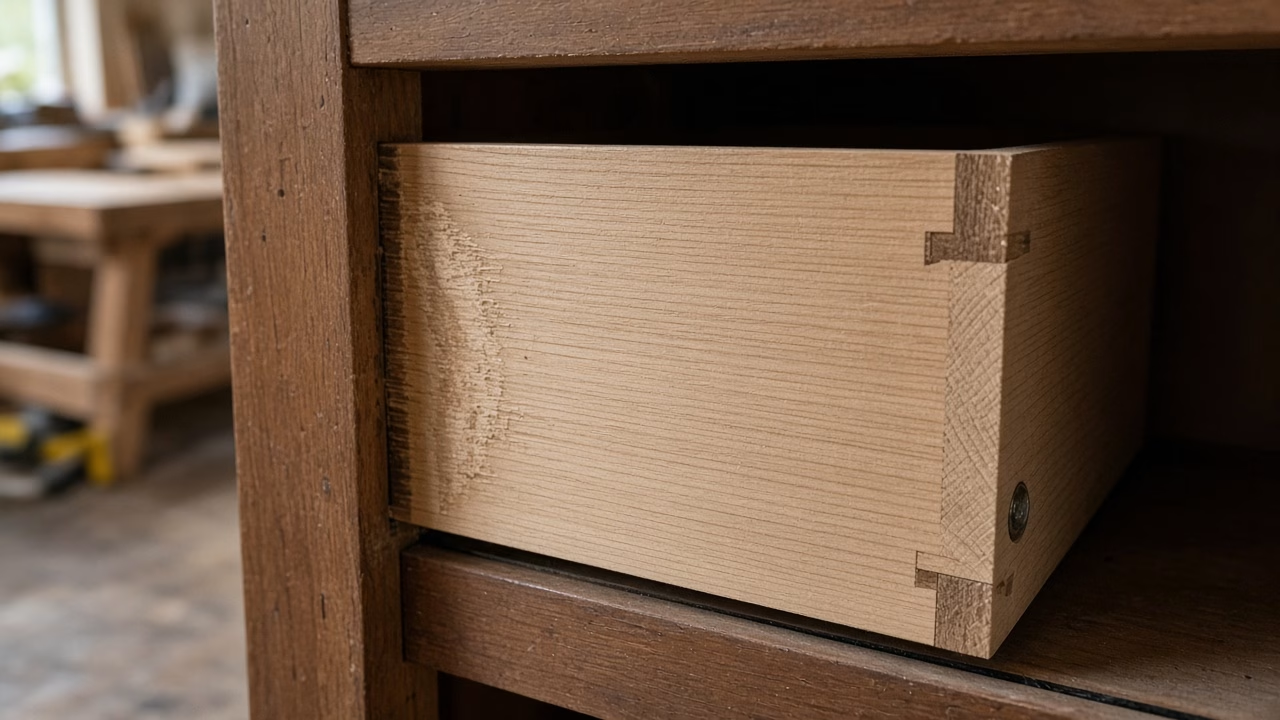
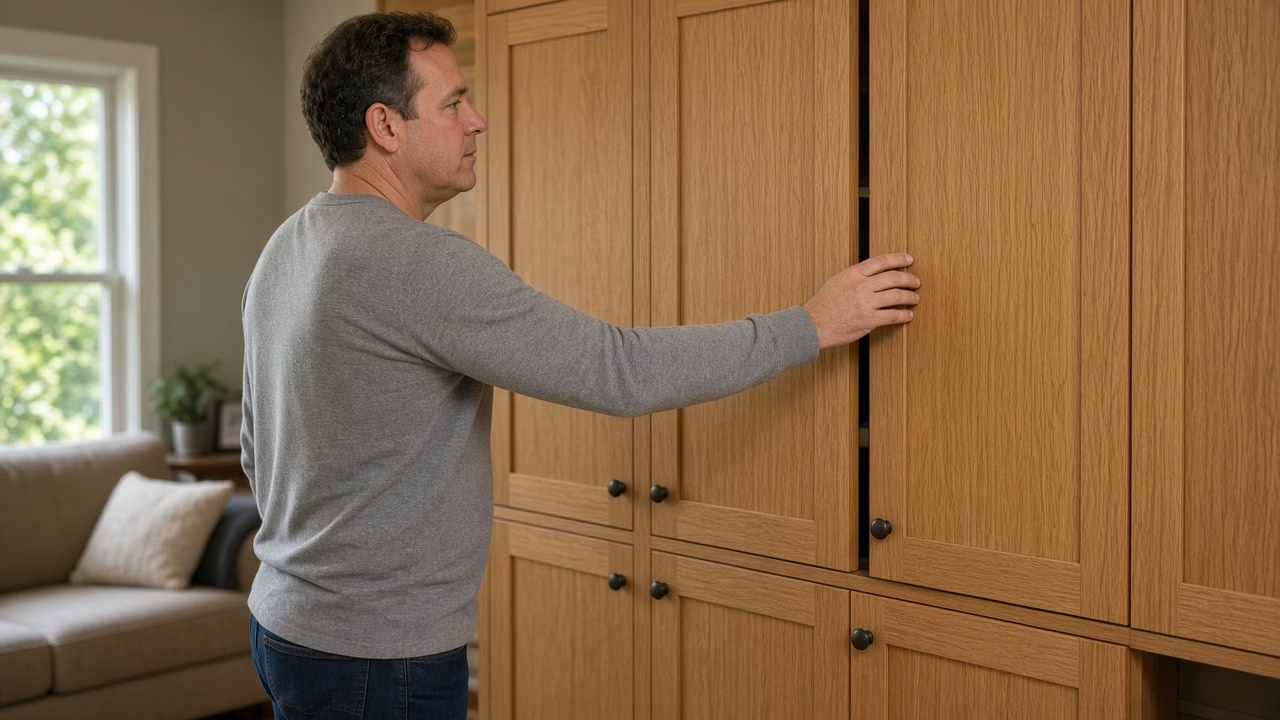
A drawer front that sat flush in midsummer can show a shadow line in midwinter. Then a door that closed easily in winter can rub after a humid week. After that, we look at the joinery and the finish before we talk about a fix.
Always Growing. Always Creating.
Custom Woodwork in Indian Trail and Seasonal Movement
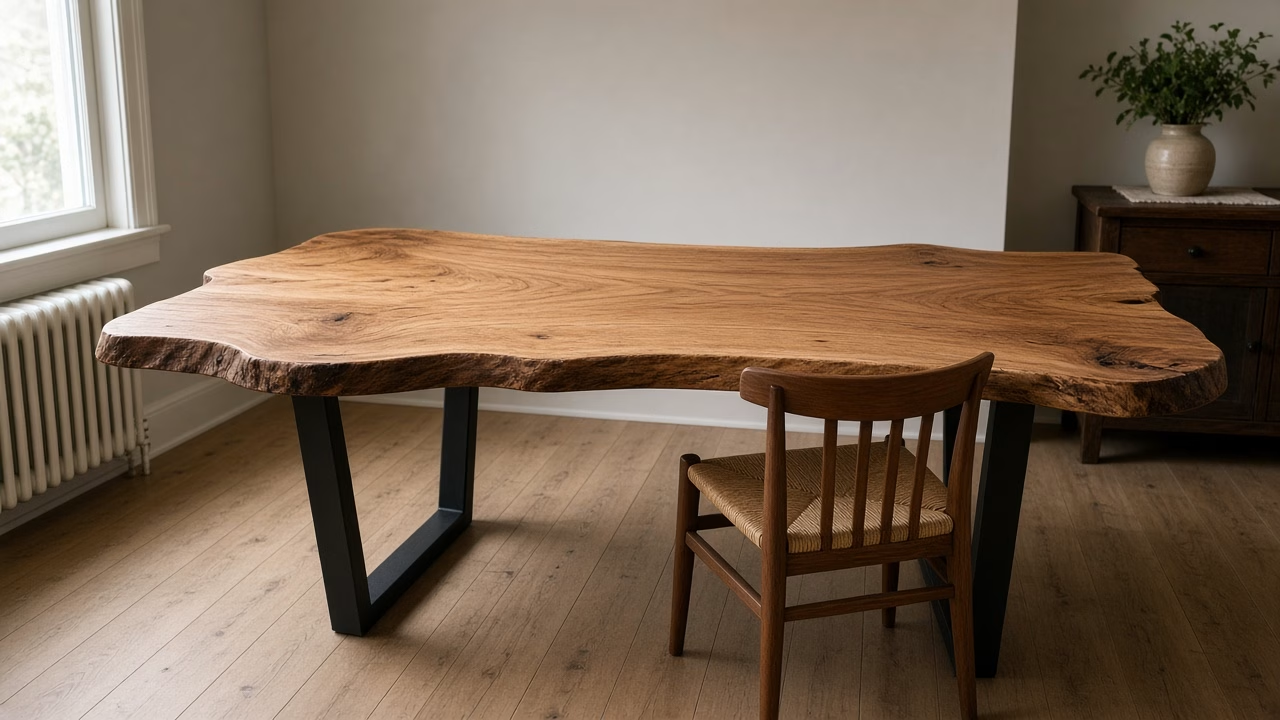
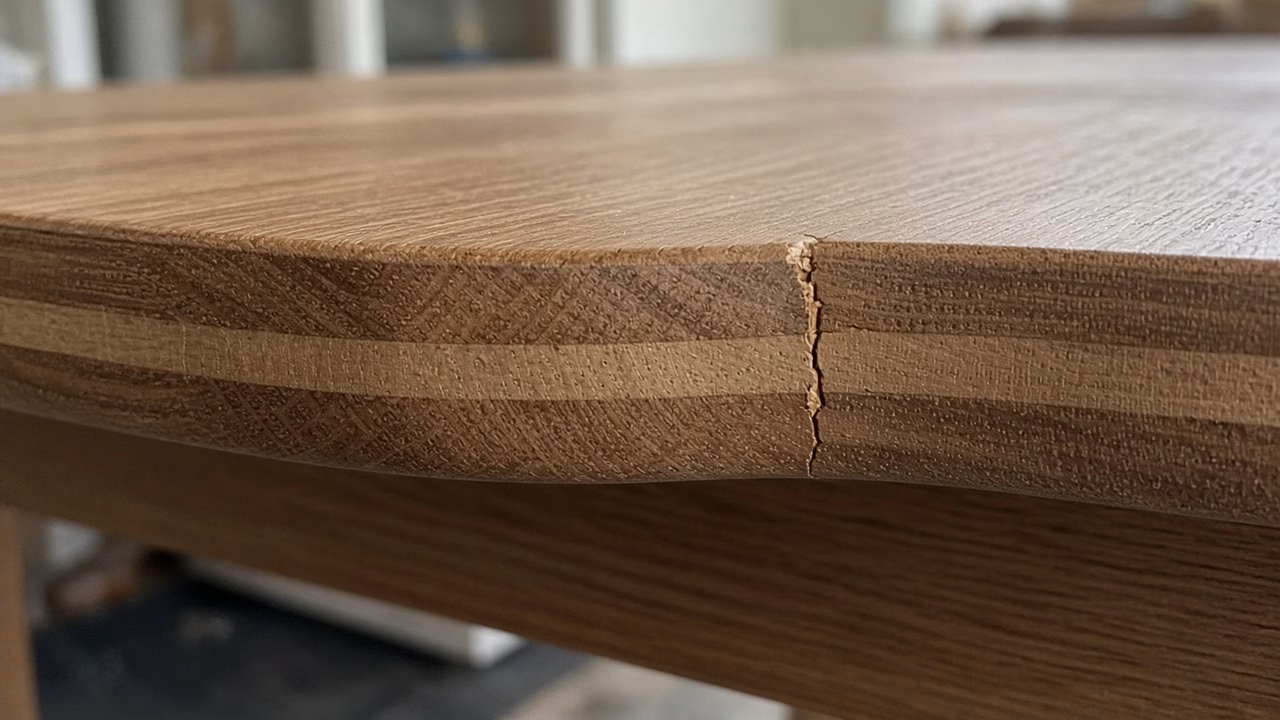
Wood takes on moisture across the grain. Length barely changes. When the air stays humid, a wide top grows in width. So a wide slab moves more inches than a narrow shelf. In Indian Trail, North Carolina, that shows up between muggy summers and heated winters.
Air conditioning pulls some moisture out while it runs. But a house with the system off can track the outdoor air. We have seen pieces come back tighter after a humid stretch. A long heating run left the same tops with a small gap at the wall.
Where the Work Begins
When we build a new piece, the shop order stays short. Because the room sets the gaps, we don’t start at the saw.
- We look at where the piece will sit, because a porch stays damper than a closed bedroom.
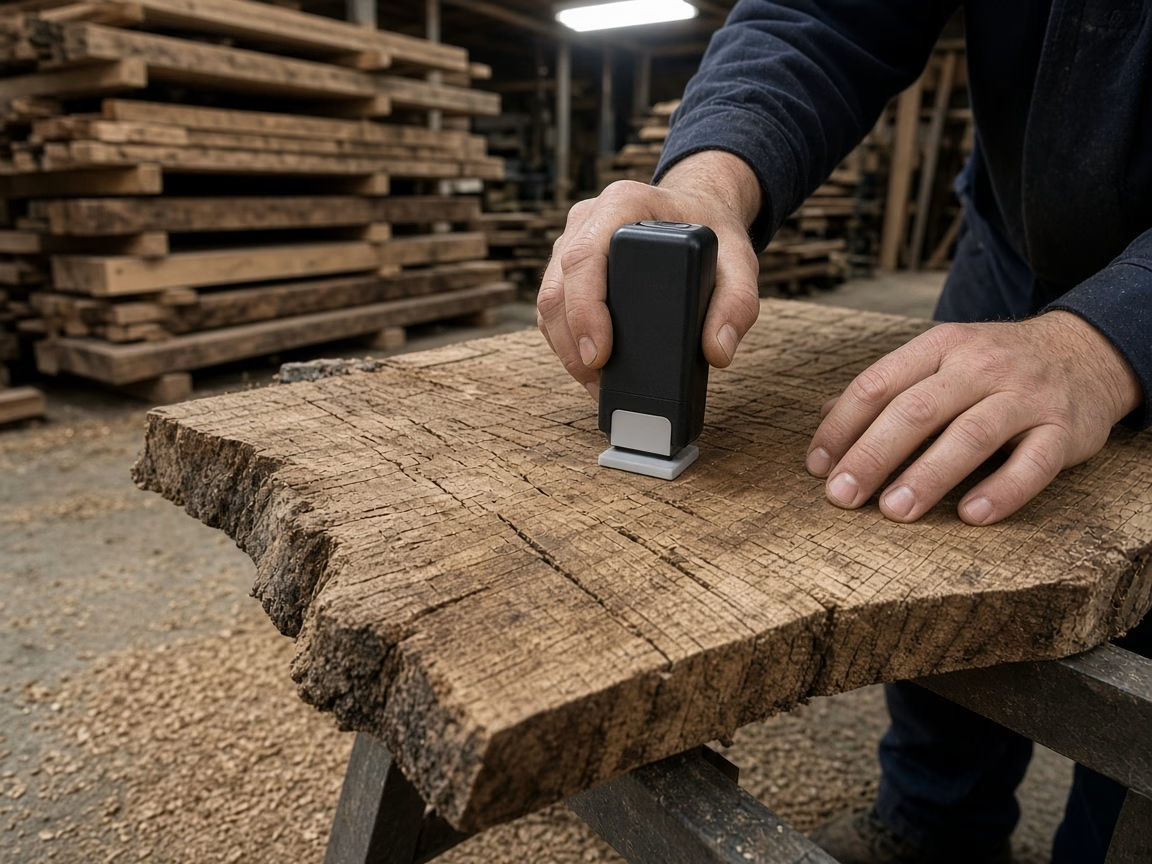
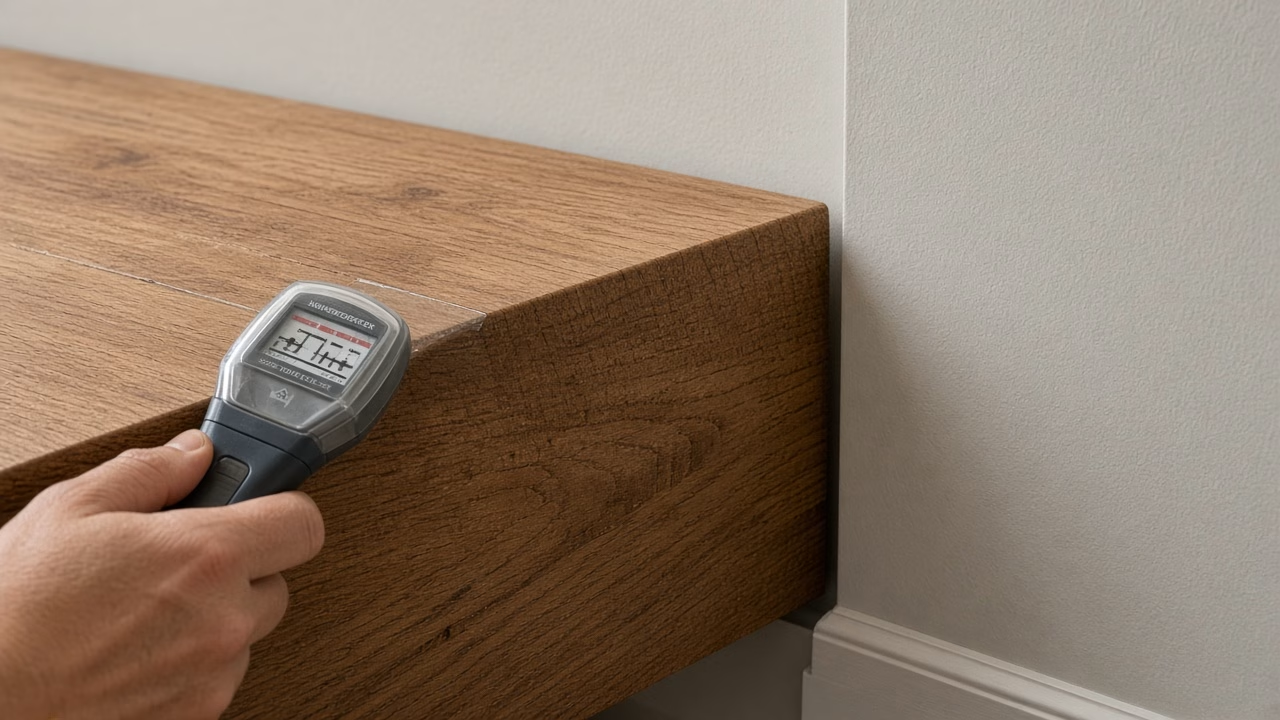
- Then we choose species and stock from lumber we mill, and we check moisture before we cut joinery.
- After we fit the joints, we fasten tops so they can expand, and we finish every face.
- We check reveals in the shop before the piece leaves.
Shaped by Nature. Finished by Hand.
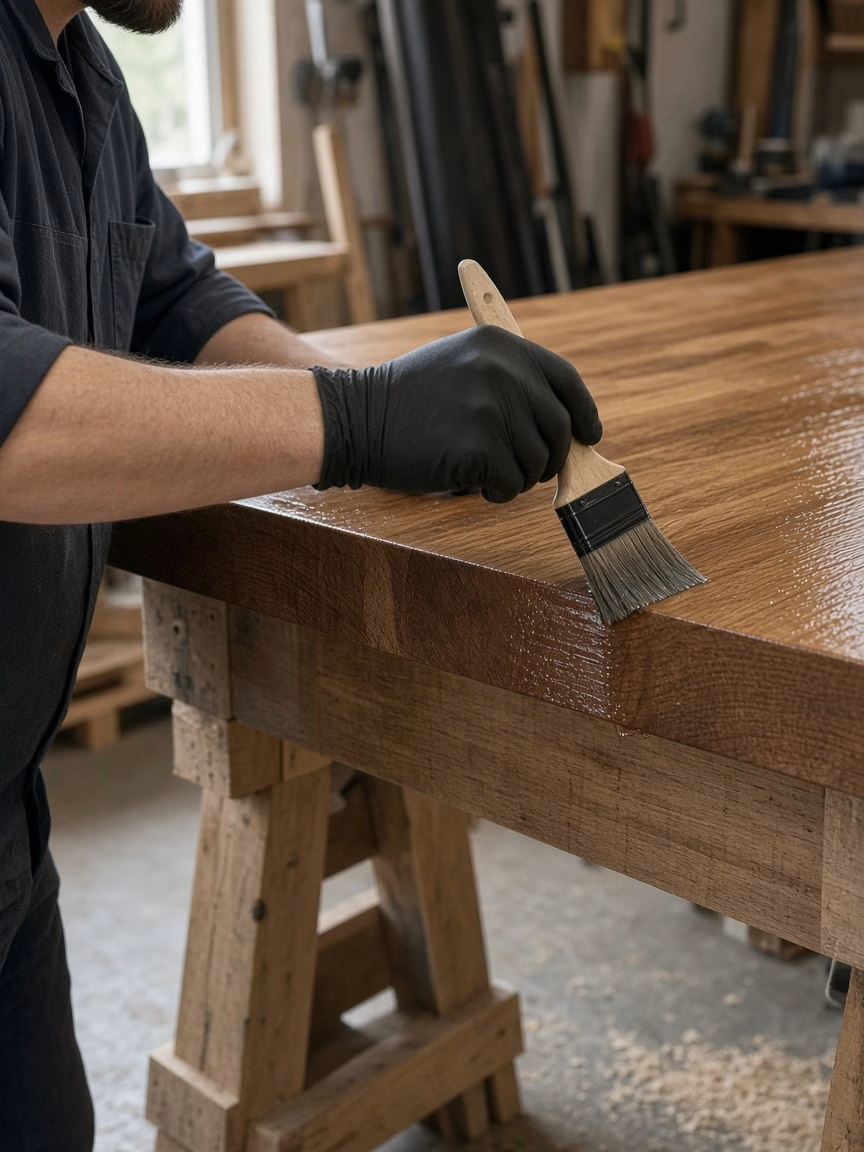
Finish choice changes the care you do at home. A film finish, such as varnish, sheds a short spill. An oil finish looks dull when it needs another wipe. Because film finish slows moisture more than bare oil, we use it on wide tops.
We coat both faces of a panel. When only the show face gets finish, the back can take moisture faster and the panel can cup. On a river pour, epoxy stays put while the wood beside it moves. So we talk through that before you pick a wide slab.
A Resource for Ideas of Every Size
Shop Time for Custom Woodwork in Indian Trail
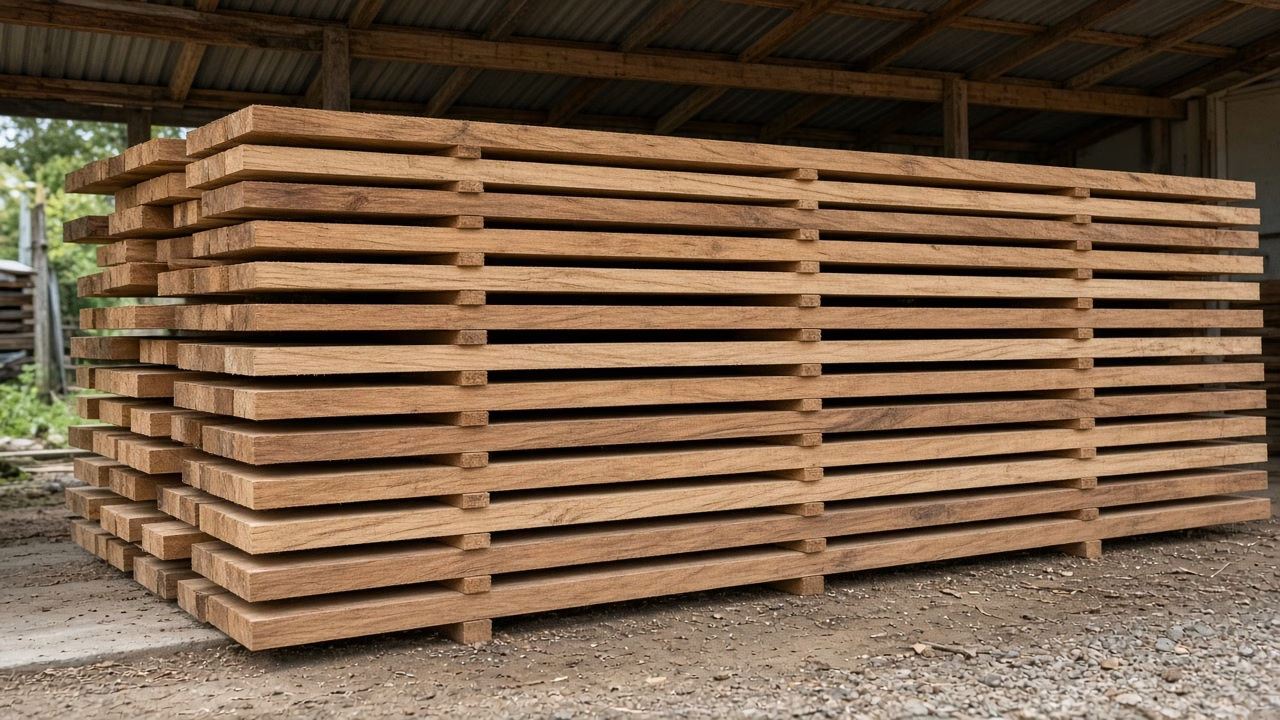
A stuck door or a crowned top can mean a shop visit. Drying drives the schedule more than the cutting does. Because air-dried stock from our sawmill needs time to settle, we don’t rush a tight fit.
When we start joinery, kiln-dried stock is closer to a heated house. Our Sawmill & Lumber side keeps air-dried and kiln-dried material. The kiln takes a 500-board-foot minimum, so a single small board doesn’t go in alone. Then we match the wood to a house in Indian Trail.
Our Lucas mill can cut slabs up to six feet wide. That width moves more inches when moisture changes.
More to Discover Around Every Corner
When humid weeks stack up, look for rub marks on doors and drawers. Then check any place a top meets a wall. A damp cloth left in a drawer keeps that corner wetter than the rest of the box.
Custom Woodwork in Indian Trail can need a shop look when the rub returns every summer. You can see how we build our custom woodwork before you choose a repair or a new piece.
See What We’ve Been Creating
People in older houses have told us an upstairs room stays closer to the outdoor air. But in newer houses the cooling can pull a room drier while it runs. Indian Trail has both, from older rooms to newer subdivisions. So the same species can move differently from one house to the next.
Custom Woodwork in Indian Trail starts with a question about your room. We set the gaps for that air, and we write them on the quote line by line.
Planning an Outdoor Project?
Porch Care for Custom Woodwork in Indian Trail
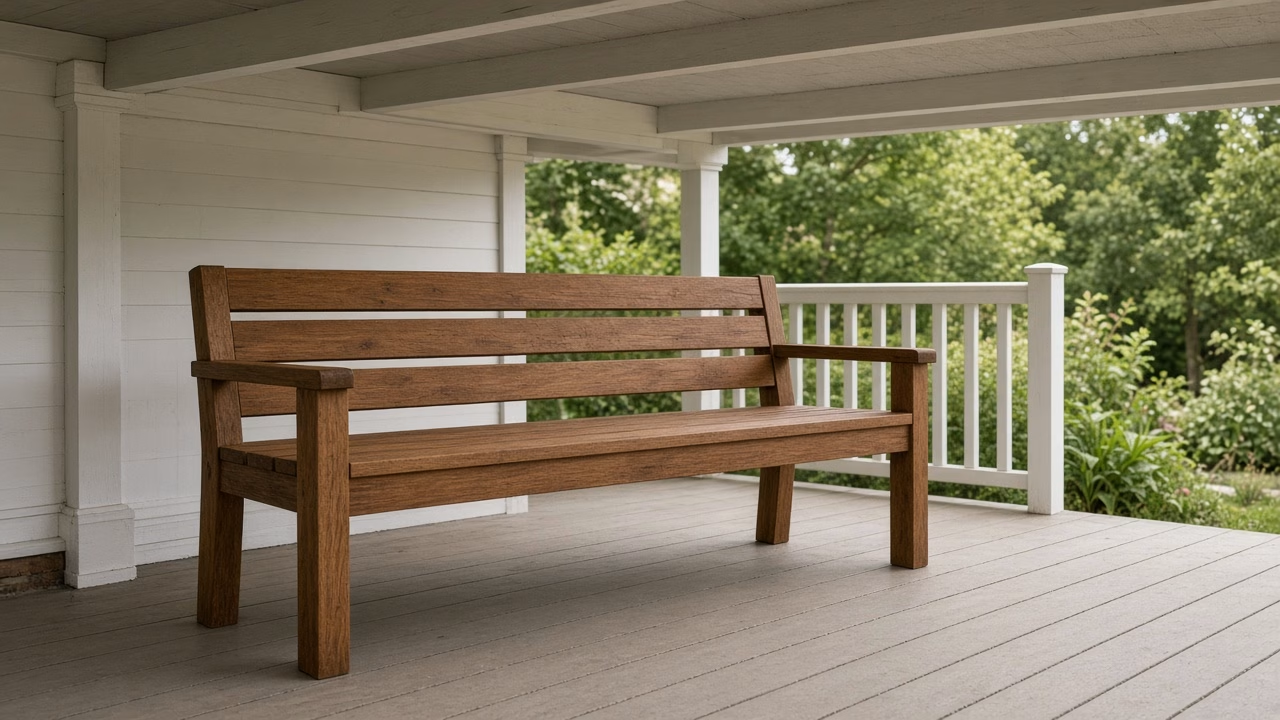
In Indian Trail, porch air stays damper than the air around a dining table indoors. A screened porch and a covered entry both do that. We have built mantels for interior walls, and specialty pieces for exterior use. Because sun and rain wear a film faster outdoors, that finish needs a refresh on a shorter cycle.
When you wipe a porch bench, check the feet where splash sits. Standing water at a joint is harder on the wood than humid air alone.
People have called after a door rubbed in a hot spell and eased once the air dried. Some calls covered a cupped top or a finish that opened along the grain. Because a sanded winter gap can bind when the wood swells, we leave it alone.
Then we look at clearance and at the screws that hold the top. A top screwed tight through round holes can’t expand when the wood swells.


Come See What’s Taking Root
When you choose a new piece, ask how that species moves in damp air. Then look at live-edge slabs and the finishes on hand. So a wider top needs more allowance along a wall. Custom Woodwork in Indian Trail works better when the wood is already near the moisture your house will hold.
We write quotes out line by line. The quote lists the species, the slab, epoxy if you want it, and the finish. We ask about heating and cooling before we cut the first joint. We can mill customer-owned logs when they qualify, after they dry.