About Rustic Roots Warehouse
Before you book Epoxy River Tables in Indian Trail, ask how we hold shop temperature. Hot, humid stretches can slow an epoxy cure and cloud a pour. So that question comes before color or size.
The slab you pick matters, and cure time matters just as much. Then we talk through color and how the piece gets into the room. When you have a room measurement, bring it. A photo of the space helps if that number is still a guess.
Always Growing. Always Creating.
Shop Heat and Epoxy River Tables in Indian Trail
We pour with the doors shut against the afternoon air. Indian Trail, North Carolina gets long muggy stretches, and a top that cures in that air can haze. So we ask what week you need the table. Then we plan how we will hold the room.
Ask what temperature we keep during the pour and through the cure. Then ask whether we tent the top or move it if the shop climbs. After a hot week, we’ve seen a film on a pour near an open door. We sand that off when it happens, and it takes extra shop time.
Where the Work Begins
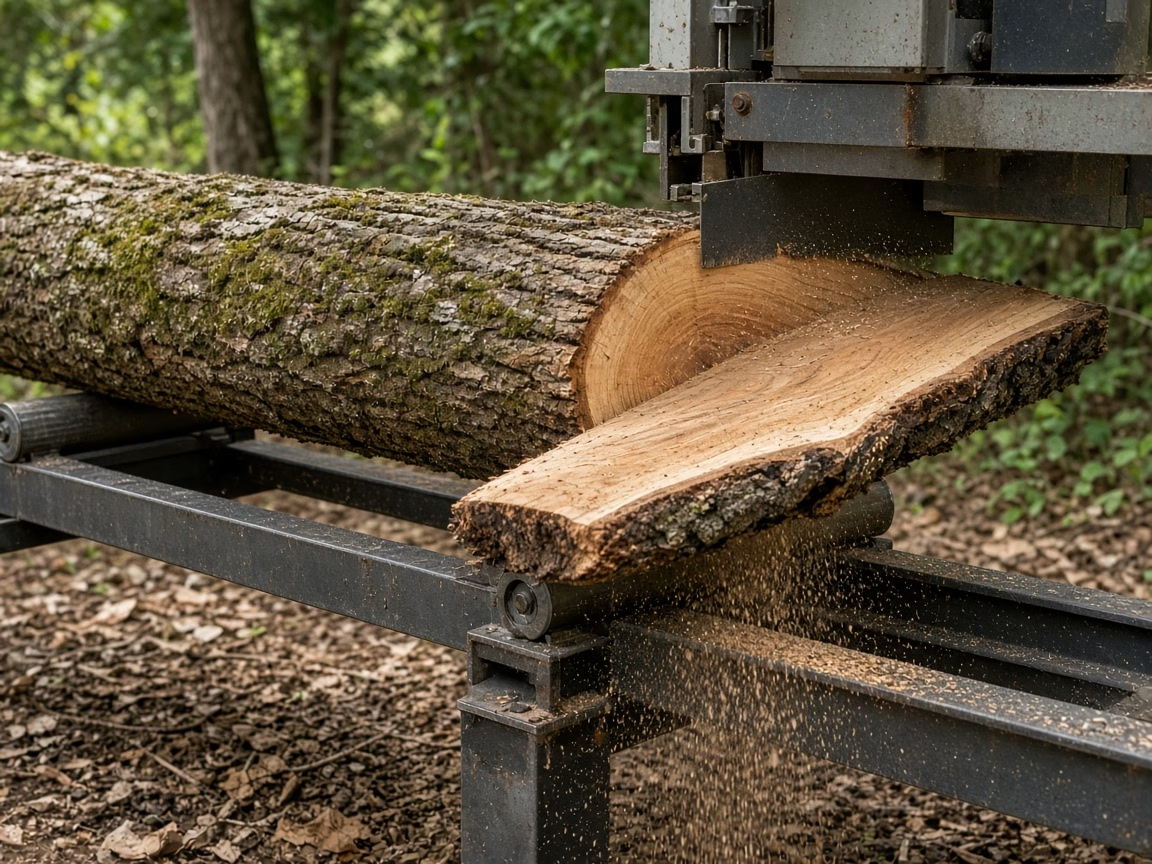
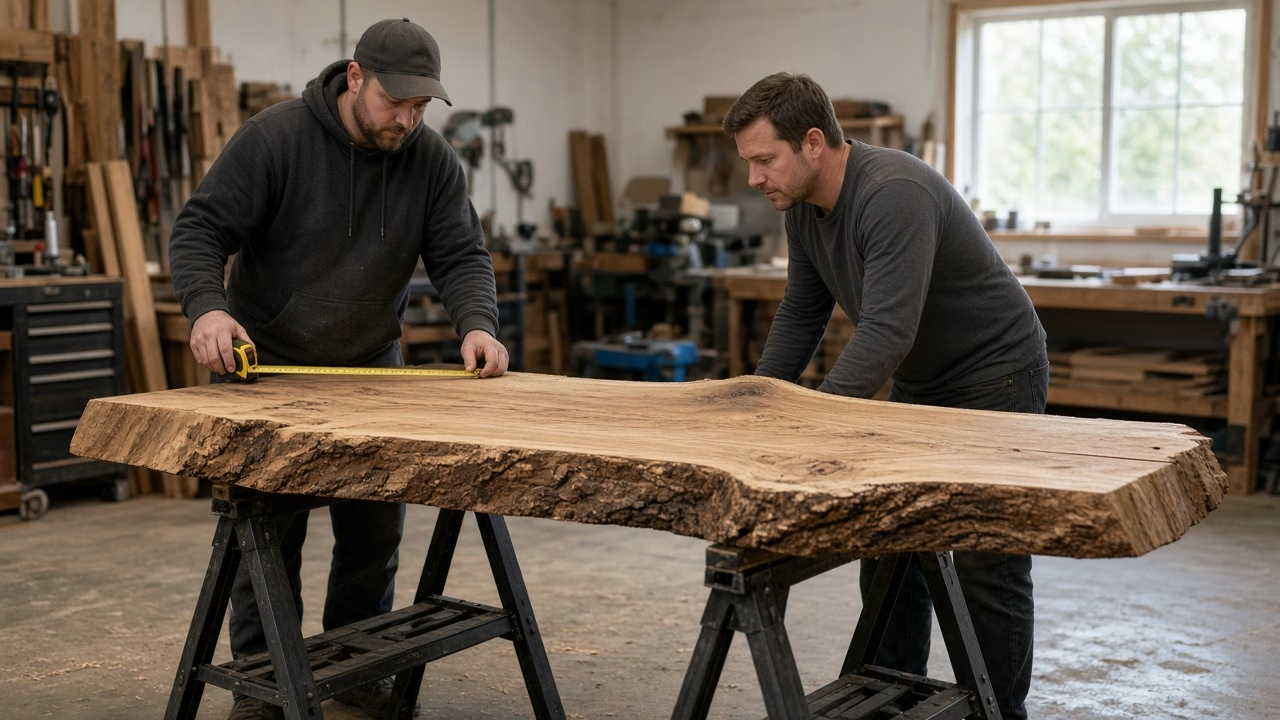
The next questions are about the wood. We mill our own lumber, and our Lucas Mill can cut slabs up to six feet wide. So a river table can come from stock we already have. Because some buyers bring a log, we mill it when the log qualifies.
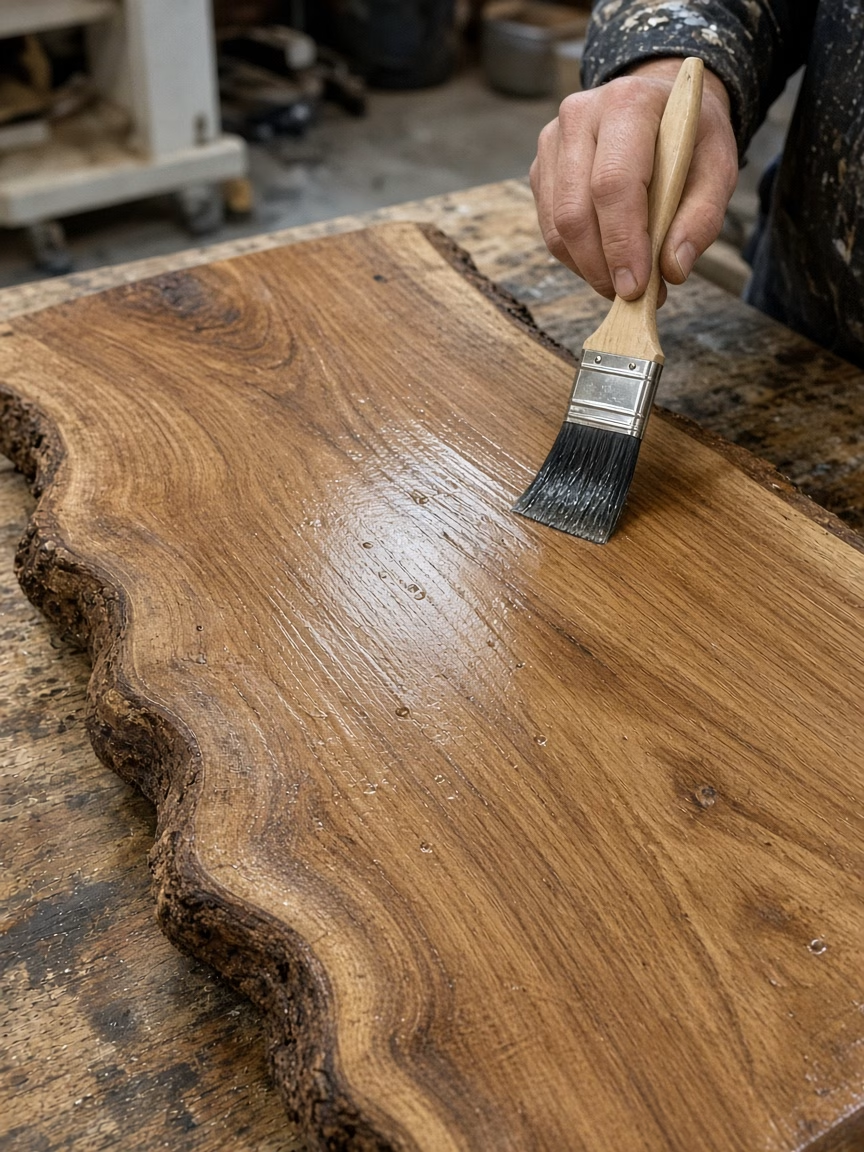
Ask whether the slab is air-dried or kiln-dried, and how dry it is before we pour. Wet wood pushes bubbles into the epoxy as it warms. We’ve opened a seal coat and found the slab still letting off air. That means more sealing before the river goes in. When you want a species we don’t have on the rack, say so early. Customer kiln-drying starts at a 500-board-foot minimum. So a single slab may need to ride with other stock.
Shaped by Nature. Finished by Hand.
Before the Pour on Epoxy River Tables in Indian Trail
People have called us about bubbles in the river. Others called about a color that went muddy after the cure. But most of those problems start with a question nobody asked before the pour.
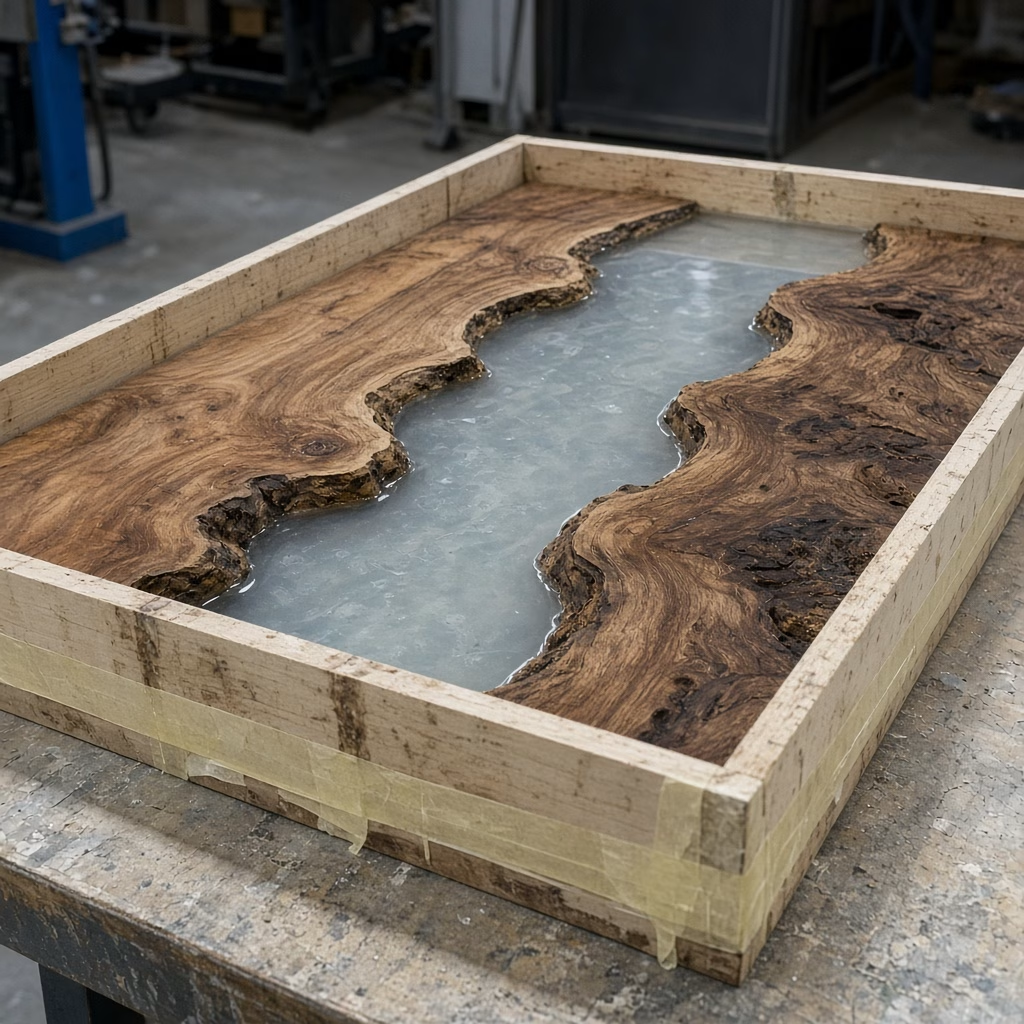
- How many pours the depth needs, and whether we seal the wood first so it stops blowing bubbles
- Pigments on the shelf that week, since a phone photo shifts the color
- Live edge left natural, or one side squared if you want a bench against it
- Mold build, and who patches a leak if epoxy finds a gap overnight
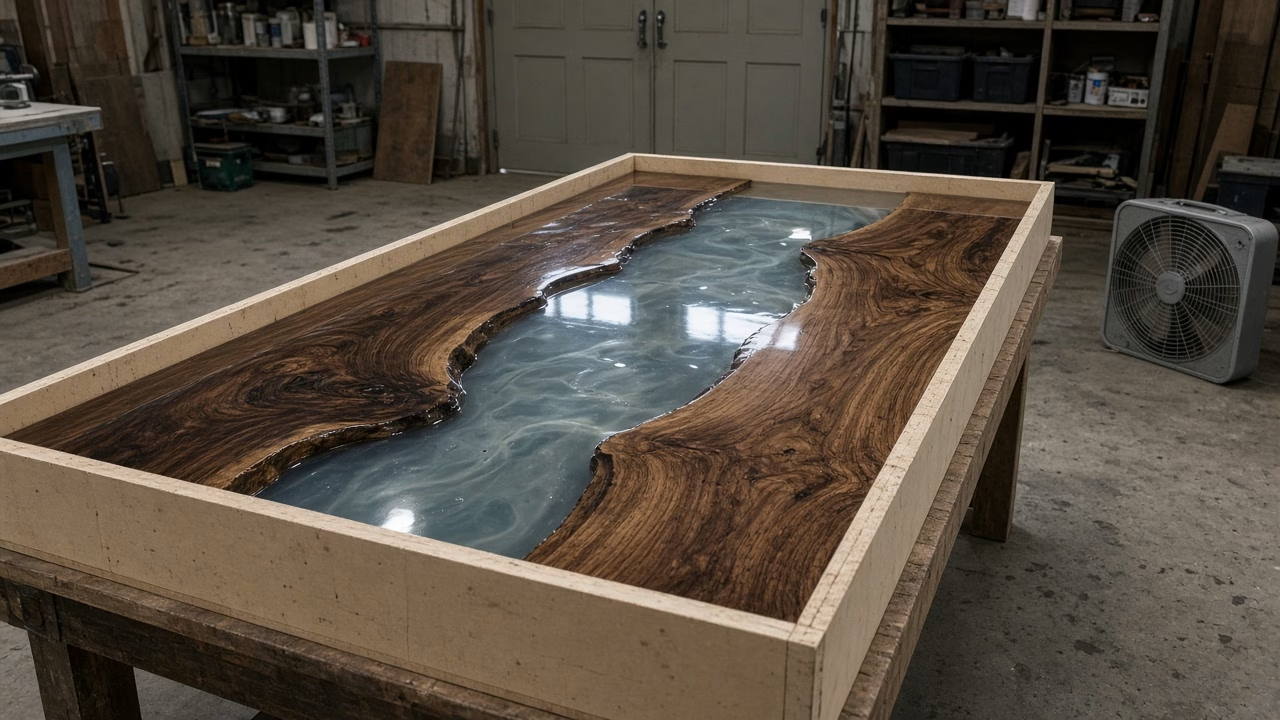
For example, a deep river often goes in layers so the middle stays cooler. We can show you a cured sample and a slab still in the rough.
A Resource for Ideas of Every Size
Ask for the schedule written out by stage, since one pickup date is too tight for this work. A river table moves through milling, a seal coat, the pour, then a cure and a finish. When Indian Trail sits in a humid stretch, the cure stage is the one that slips.
We write the schedule in stages, because the slab and the pour depth change the clock. After the epoxy is hard enough to sand, we still flatten the top and finish it. So ask whether done on your quote includes sanding and a finish that can handle the ride home.
More to Discover Around Every Corner
Epoxy River Tables in Indian Trail: Quote Lines
Price follows slab width and how much epoxy the river needs. We write quotes out line by line so you can see which part moved the number. Because a wide river uses more epoxy, flattening takes longer too.
Ask whether the base is in the quote or separate. A metal base is a different line on the quote from a wood trestle we build in the shop. Then ask what happens if we open the slab and find a crack. We’ve had to stop and call before we poured. When the quote already names the crack repair, there is less to sort out before we pour.
See What We’ve Been Creating
After the table is in the house, heat and standing water are what we hear about. A hot pan will mark many film finishes. So use a trivet. Then wipe a spill the same day, before it sits in the river groove.
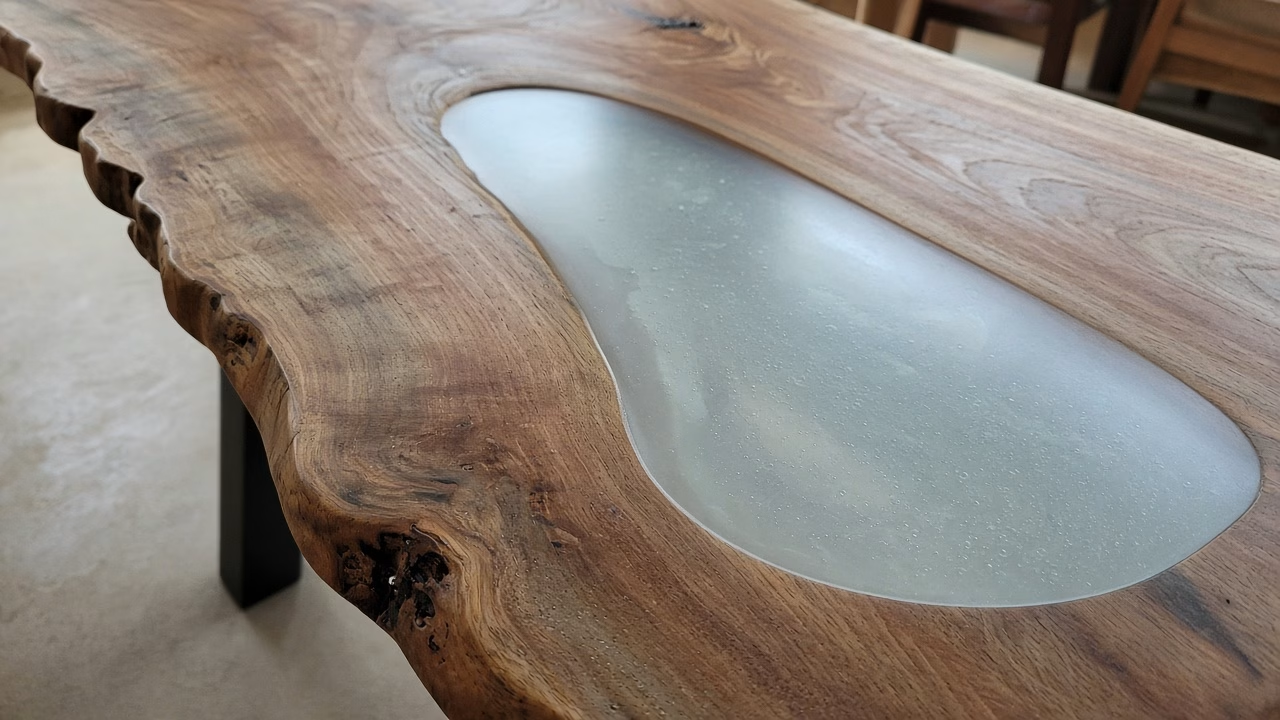
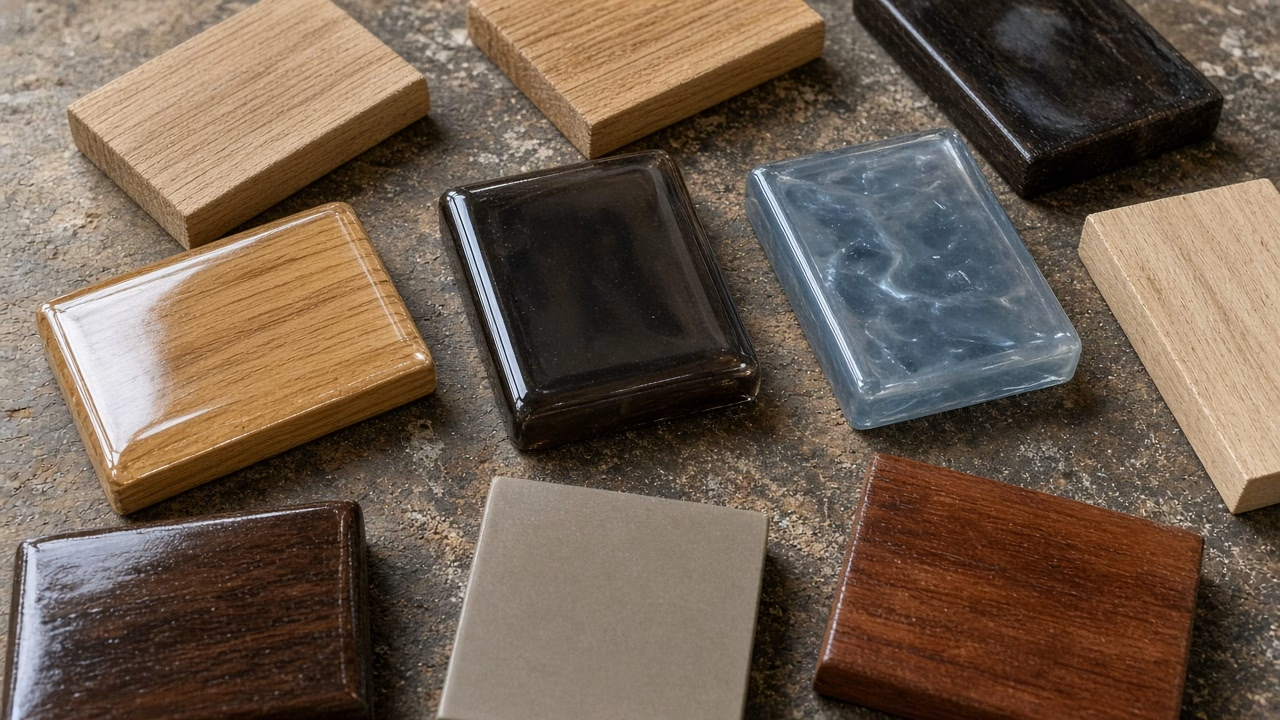
Ask which finish we are putting on, because that choice changes the care. You can pick from the finishes we keep on hand. And we can show how each one looks on a sample, epoxy beside wood. Finish choice is part of our epoxy river tables work, along with the pour itself. The same visit is a good time to look at live-edge slabs if you’re still choosing.
Planning an Outdoor Project?
Room Fit for Epoxy River Tables in Indian Trail
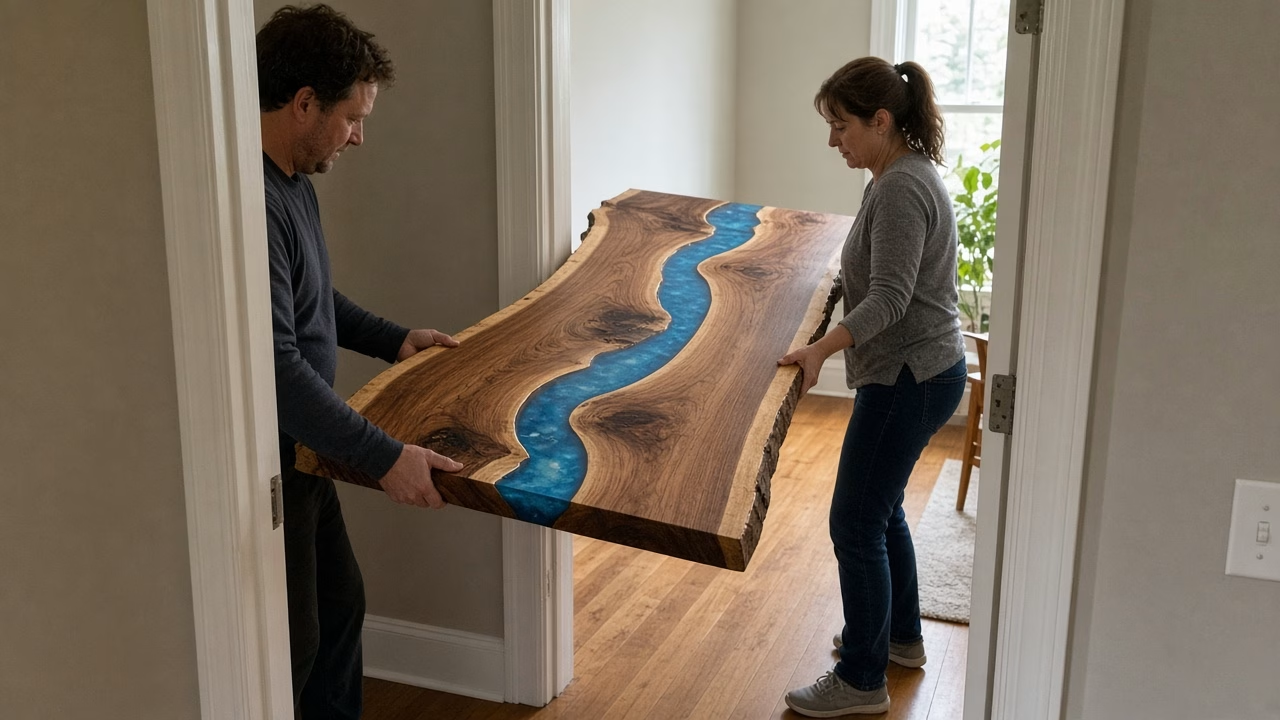
Measure the path into the house along with the dining spot. People in Indian Trail have sent us plans with a tight turn at the front door. So we ask about the tightest turn on the way in, and whether a slider is the wider door.
A long table in an open room needs clearance for chairs. When you send a photo, include the light. A window that hits the epoxy all afternoon can warm the top. We’ve built pieces for covered porches too. But an outdoor top needs a finish we would actually put outside.
People have called after a river looked cloudy. Others have called about a soft spot that stayed tacky past the day we named. Epoxy River Tables in Indian Trail can cloud when a humid week hits mid-cure. We check the shop notes and the pour depth before we say what the fix is.
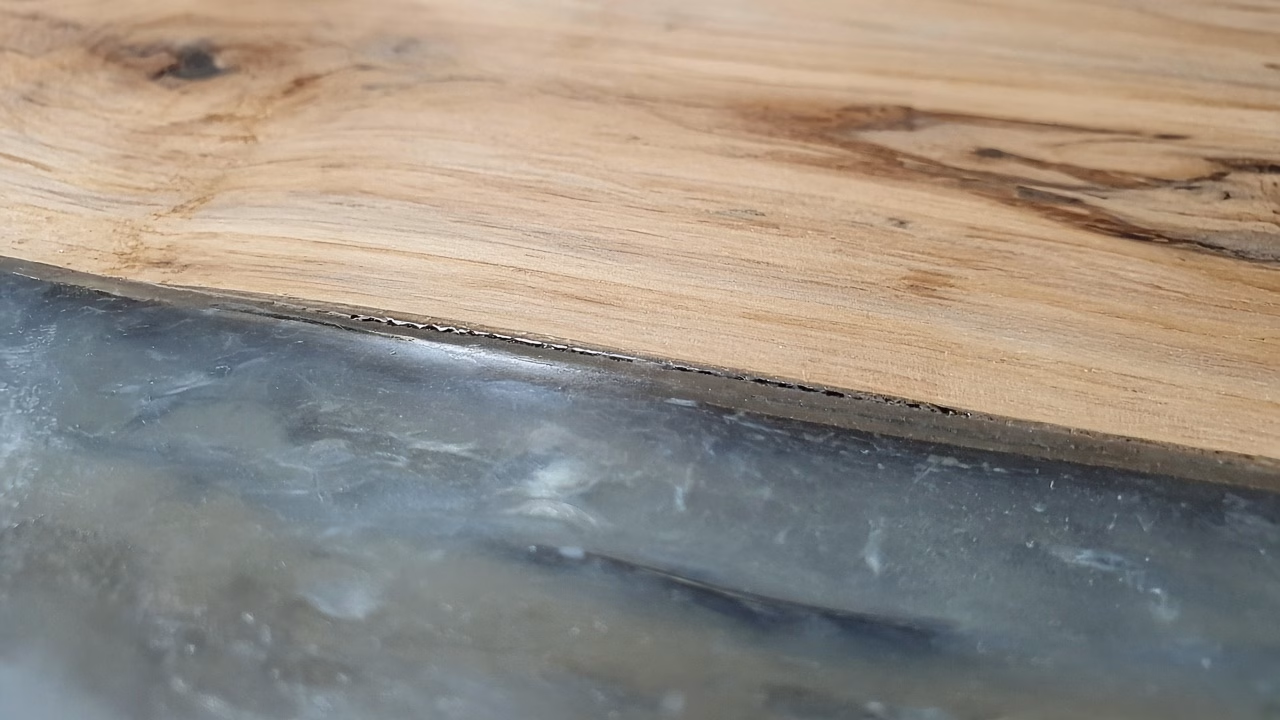
Wood still moves after the table is home. Across a humid summer the slab can swell a little against the epoxy. And we’ve seen a hairline open along the seam. So a photo of the seam helps, along with a note about how dry the room runs.


Come See What’s Taking Root
Bring the room length and the tightest turn on the way in. Also tell us how many people sit down on a normal night. So those details decide the slab if you want Epoxy River Tables in Indian Trail for a dining room.
If you are still between species, we can walk the live-edge inventory with you. When kids come along, they can try the gem mining while you look at wood. Ask to see a finished river edge up close before you book. Include the underside where the epoxy meets the wood. Then look for pinholes along that joint, and for a gap we filled after the pour.