
About Rustic Roots Warehouse
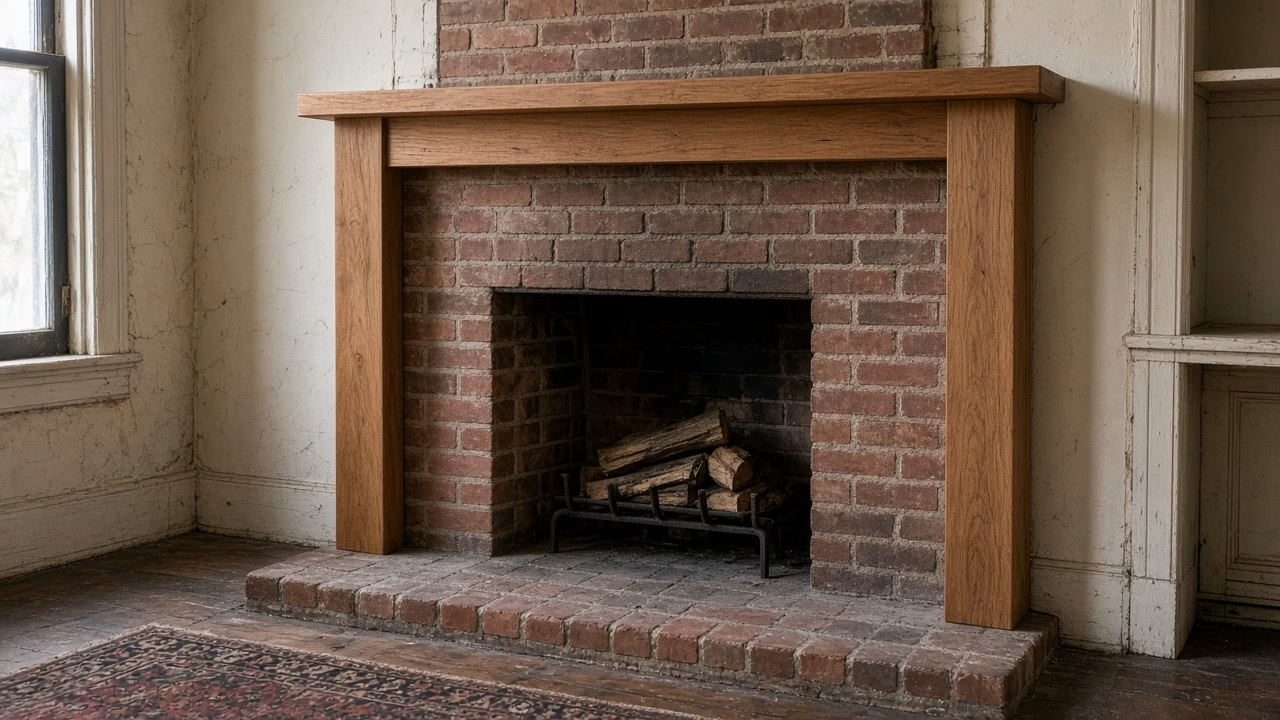
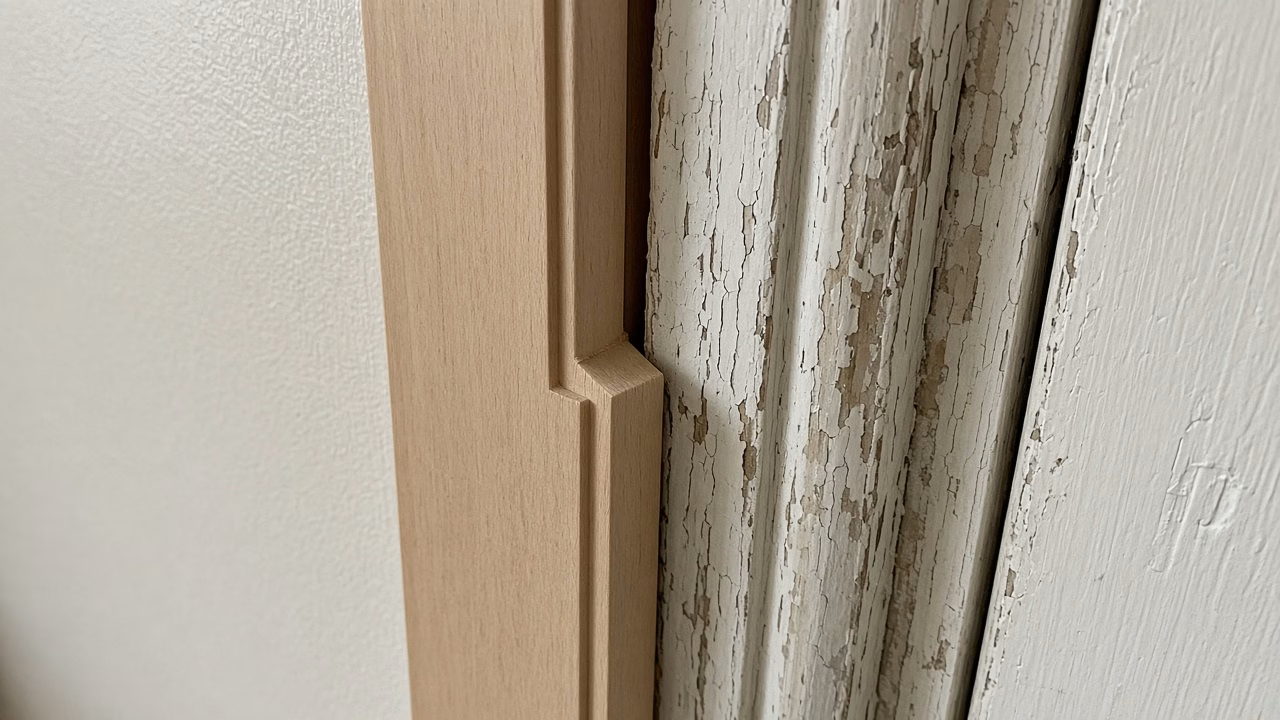
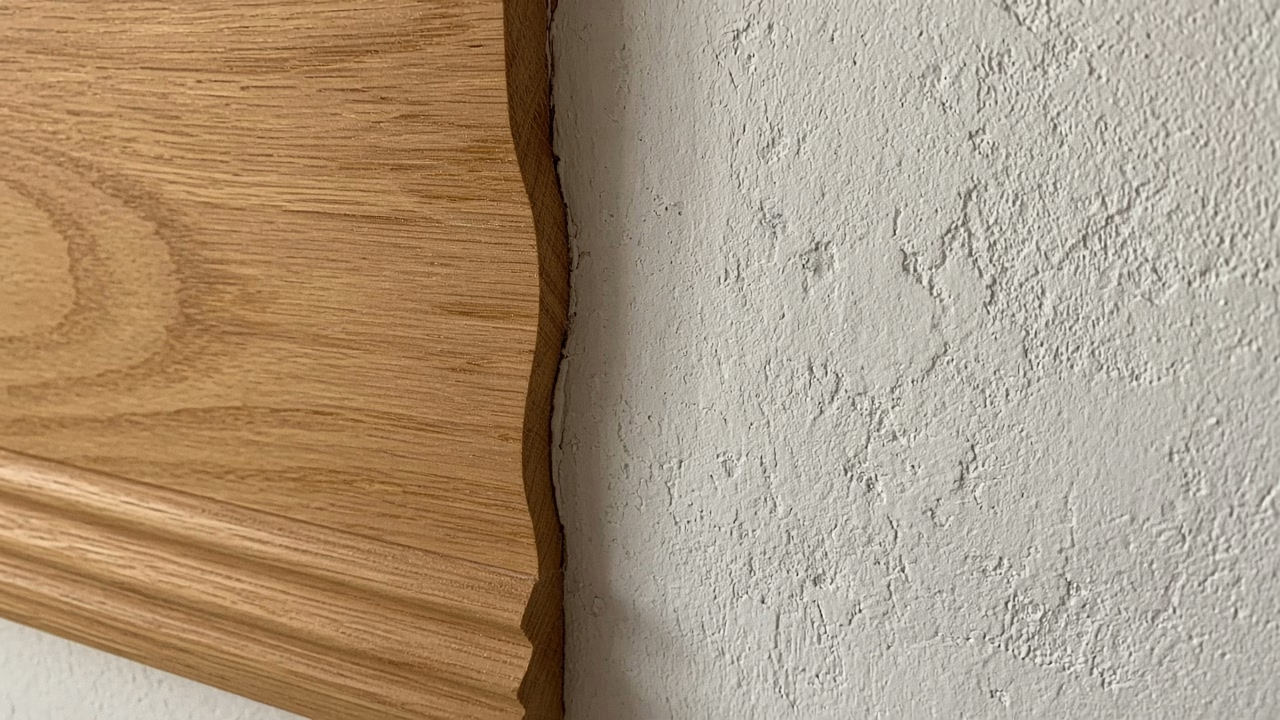
A new casing stops short of the old jamb. The gap shows every time you walk past. But a mantel shelf rocks when the brick breast leans. Stock sizes don’t land on rooms that have settled. So Custom Woodwork in Gastonia means we measure the opening and build to it.
We note the floor slope and the plaster thickness. Then we cut the piece to those numbers.
Always Growing. Always Creating.
Custom Woodwork in Gastonia for Odd Room Sizes
Much of the housing in Gastonia is older mill-era and mid-century stock. Rooms run odd sizes. People have painted the trim so many times the profile is soft.
When the air stays humid, a wide top grows across the grain, and length barely changes. In Gastonia, North Carolina, summer air is heavy with moisture. We plan for the shrink that comes when winter heat runs. We size clearances for that movement.
Where the Work Begins
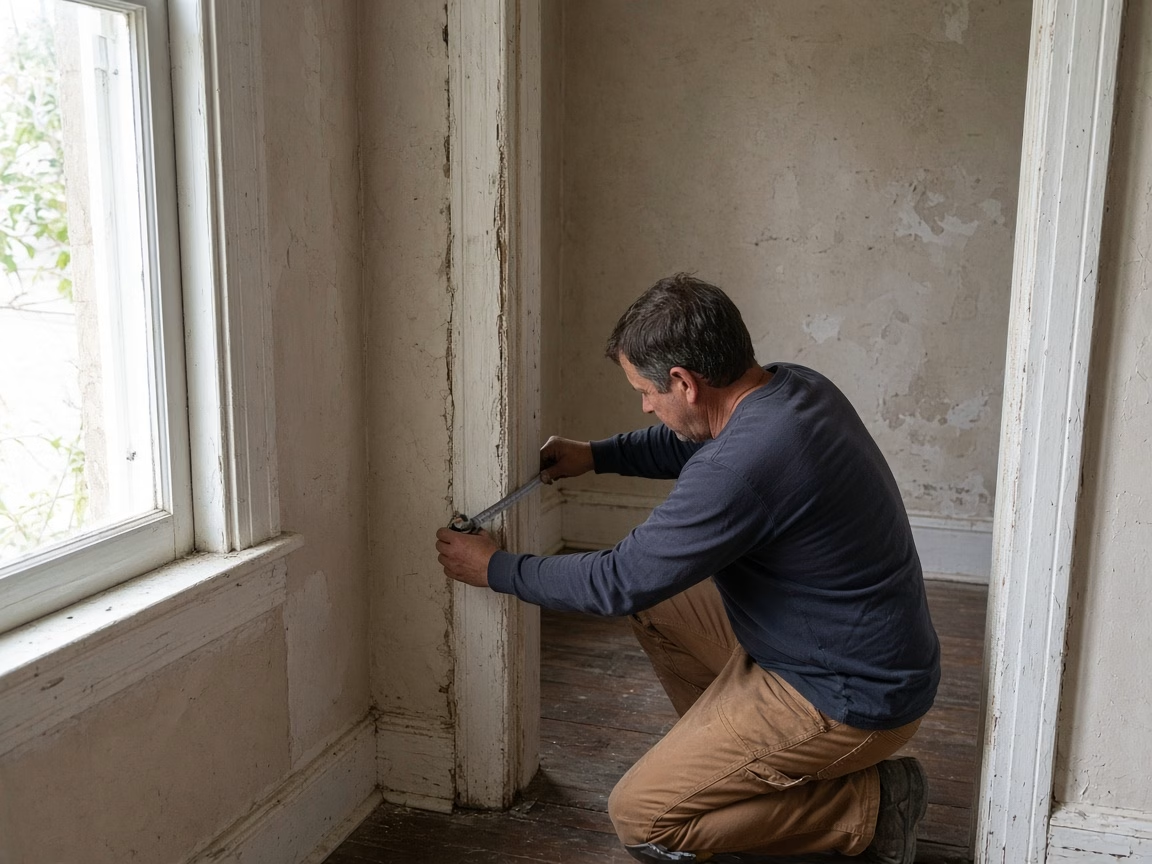
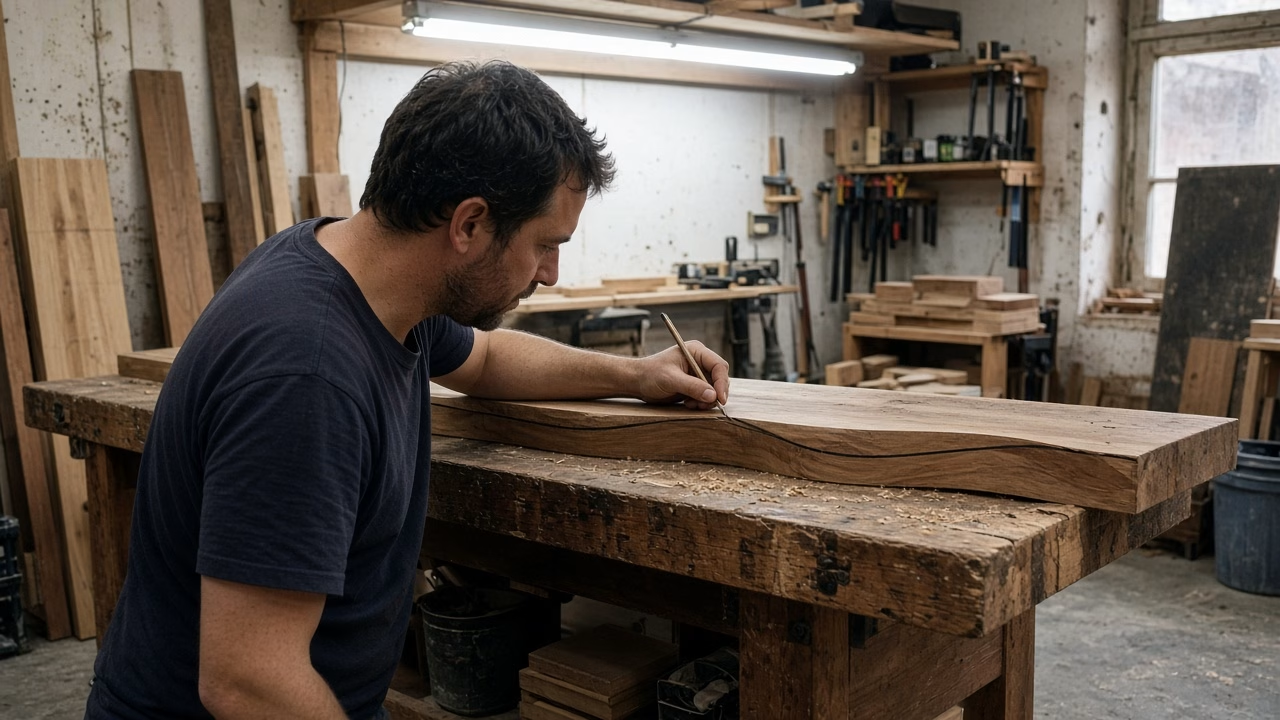
We walk the room before we cut anything. Door openings get a width at the top and another at the floor. Because old jambs often taper, those two numbers rarely match. We look at how the new piece meets trim that is staying.
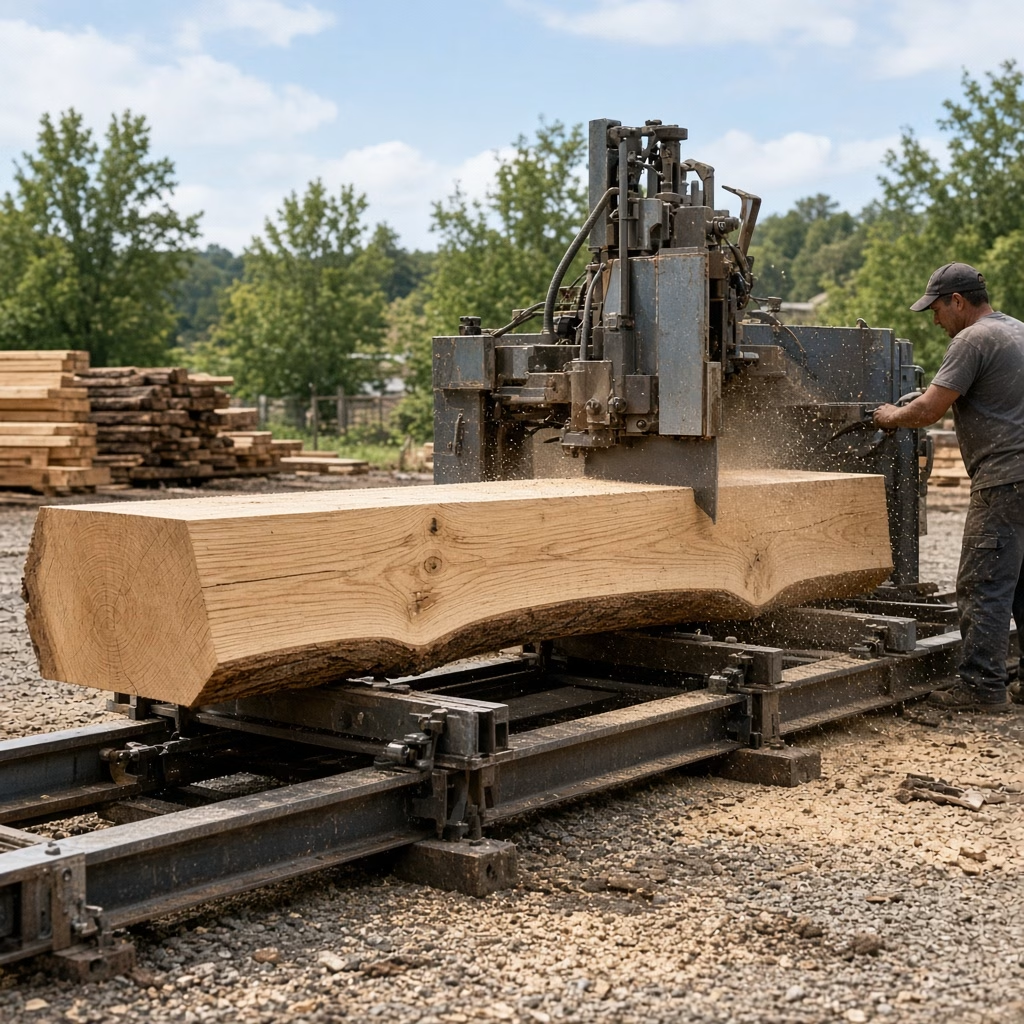
After that, the numbers come back to the shop. When a top needs extra width, our mill can saw a slab up to six feet wide.
Shaped by Nature. Finished by Hand.
When you are ready to hire, a few questions sort out whether the shop can match the house.
- Ask if we measure on site or if you send sizes from home.
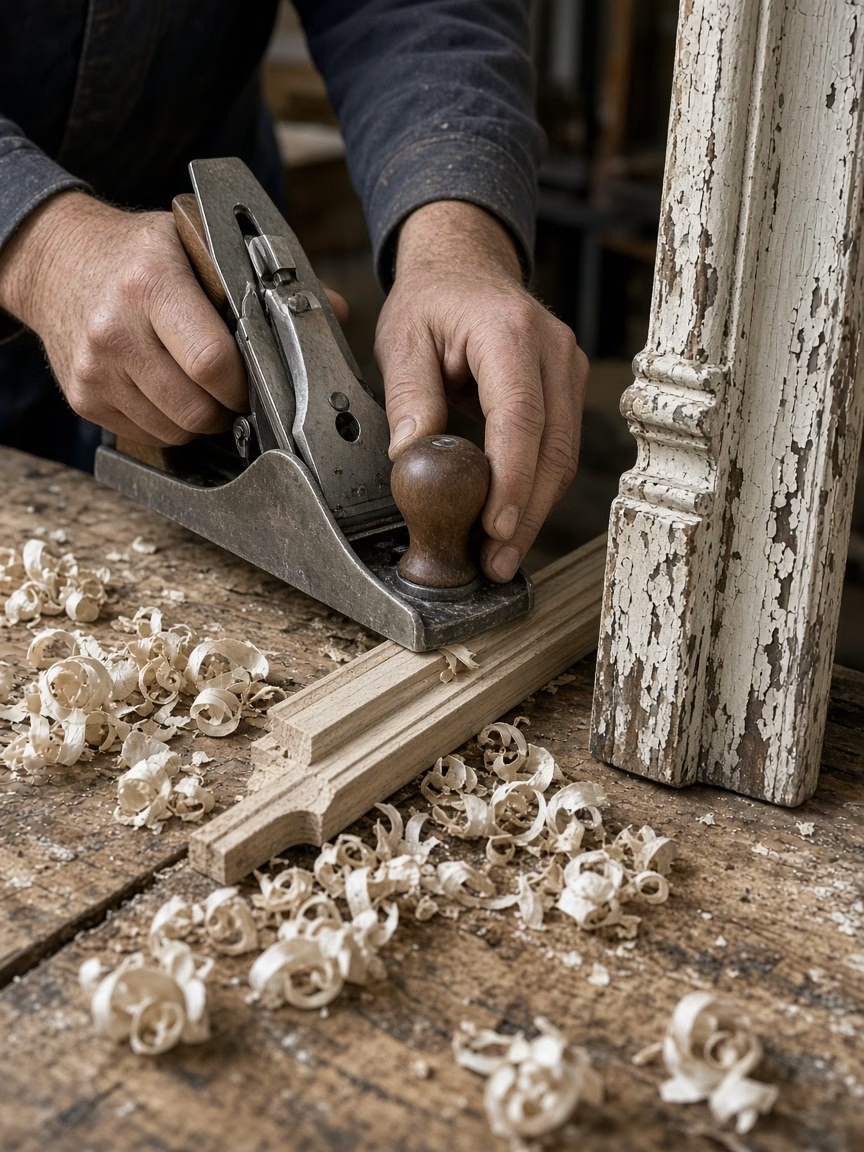
- Bring a scrap of the old trim if you have one, because a photo flattens the profile.
- Check which boards are kiln-dried and which still need drying time.
- Ask how we scribe a wall that is out of plumb, and if that is on the quote.
A Resource for Ideas of Every Size
Shop Time for Custom Woodwork in Gastonia
A mantel from lumber we’ve already dried can go to the bench soon after we measure. We have to mill a customer log first. Then it has to dry. Customer kiln-drying starts at a 500-board-foot minimum.
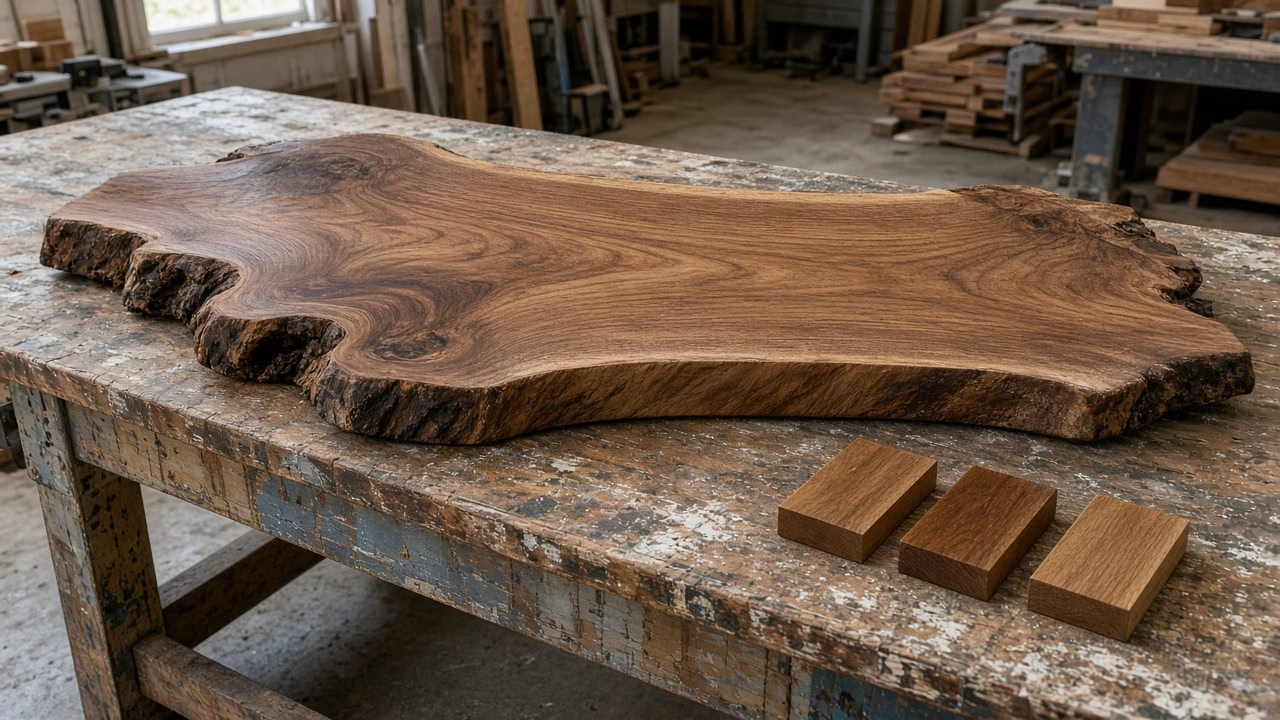
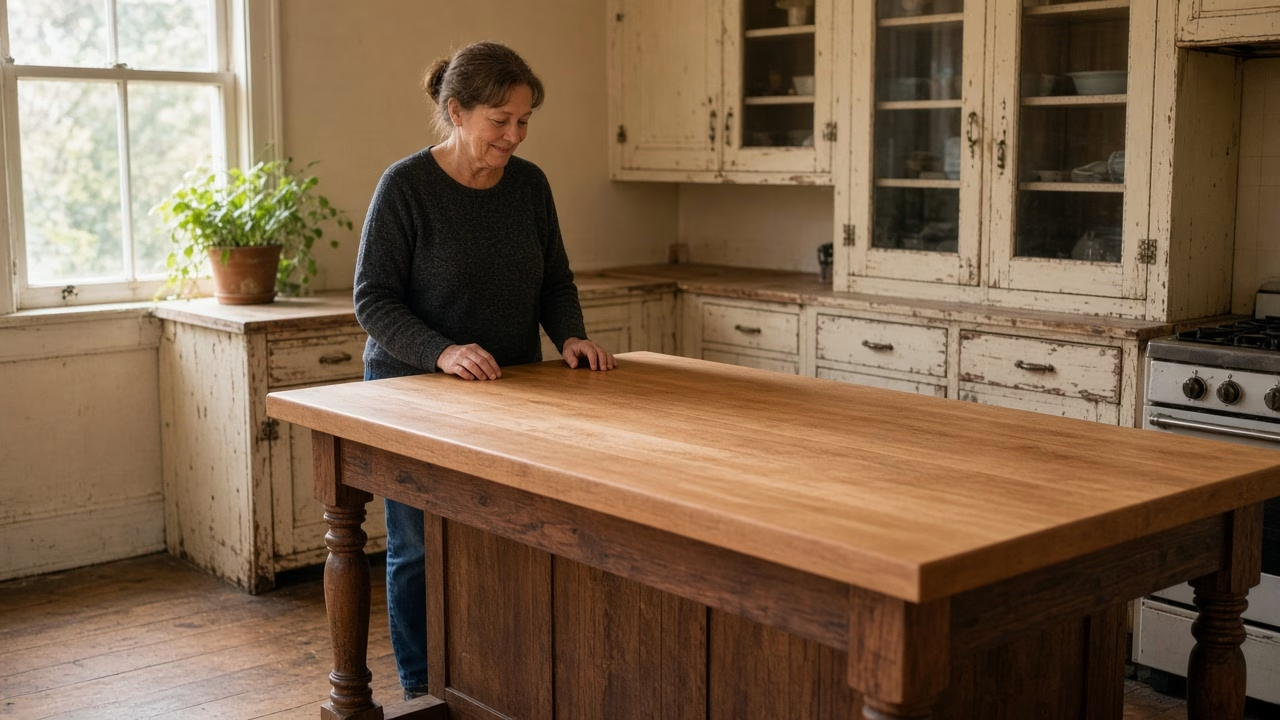
When a Gastonia kitchen needs a wide top, we look at slabs already in the yard. A full set of casings may wait on drying.
More to Discover Around Every Corner
Cost follows the hours and the wood. We write quotes out line by line. Scribing an out-of-plumb opening adds bench time. Because species changes the material, we list the board and the slab on separate lines.
Epoxy and a film finish add shop steps. But on Custom Woodwork in Gastonia jobs, we hold the quote until the measurements are in.
See What We’ve Been Creating
You can choose a live-edge slab from what we have on hand. You can also pick the species from lumber in the yard. Epoxy fills a void if you want that look.
When we plan Custom Woodwork in Gastonia for a second-floor room, we leave extra clearance at the wall. Homeowners have told us those rooms stay closer to the outdoor air. After a humid week, that top can grow a little across the grain.
Planning an Outdoor Project?
Worn Trim and Custom Woodwork in Gastonia
In Gastonia, homeowners ask us to match trim that has sat in place for decades. Because of that, paint has built up on the edges. But we copy from a scrap when we can. Then we scribe the new piece to the wall that is there.
We also build mantels and kitchen islands on that bench. Our shop-built custom woodwork page covers live edges and the finishes we use, including outdoor pieces.
After we install the piece, the wood still moves with the season. People have called about a door that rubbed in humid weeks and closed cleanly once the house dried out.
We show where to look after Custom Woodwork in Gastonia goes in. Then check rub marks on a door edge. Because a damp cloth left in a drawer holds moisture in that corner, we mention it.


Come See What’s Taking Root
When you choose a piece, ask how that species moves in damp air. Look at live-edge slabs and finishes on hand before you decide. A slab from our sawmill can become a top.
We can mill a qualifying log you own for the job too. After milling, we can kiln-dry the load if it meets the 500-board-foot minimum. Smaller jobs usually pull from air-dried or kiln-dried stock on hand.