
About Rustic Roots Warehouse
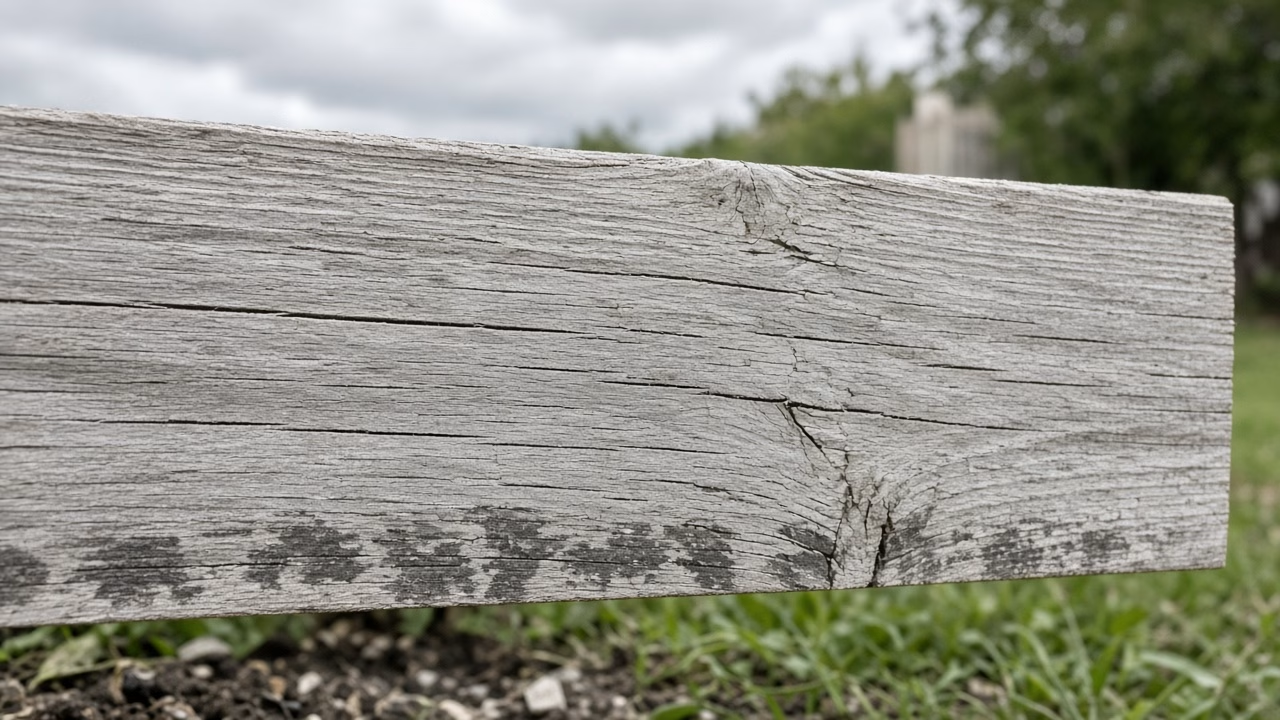
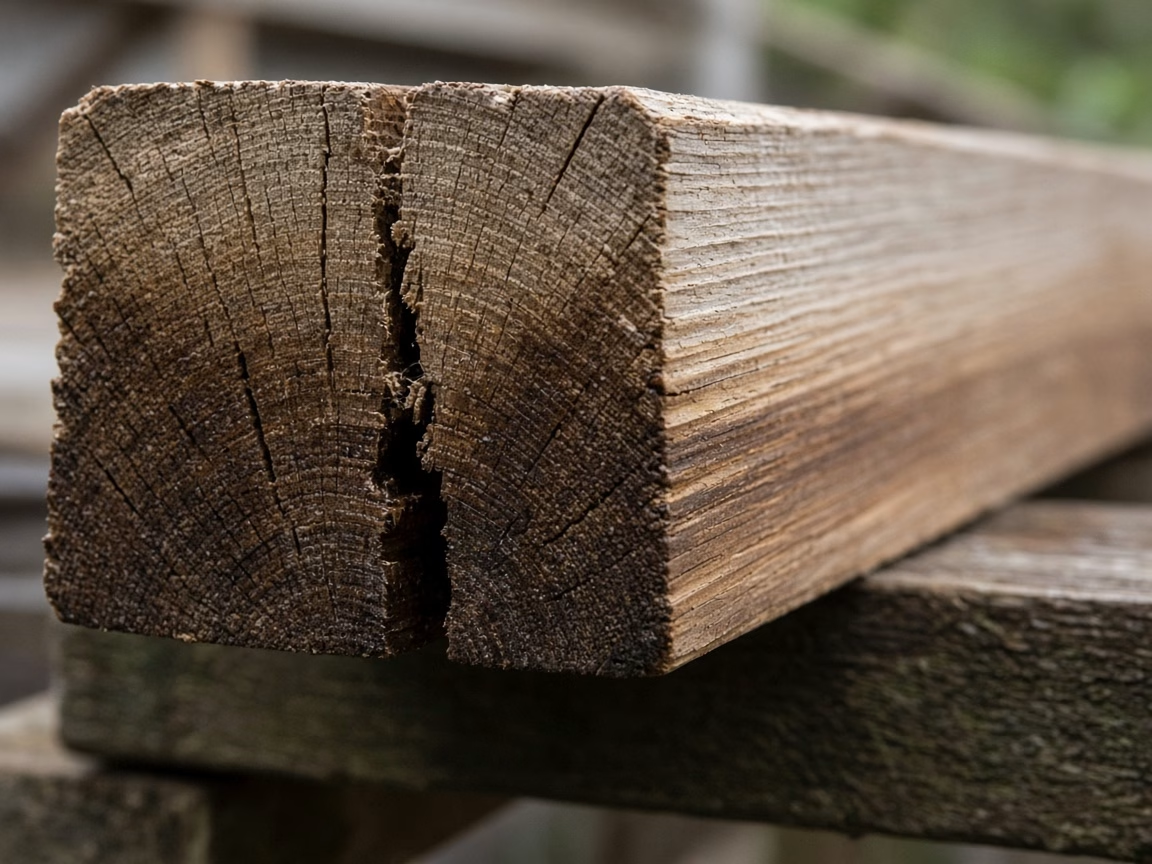
Leave cedar outside with no finish and the sun side goes gray. Checks open. Ends split. Water sits in a joint and the wood stays soft there. So look after Cedar Lumber in Indian Trail by keeping water moving and finishing before the grain opens. Cedar resists rot better than pine. But wet summers and hard sun still gray and check boards you leave bare.
Always Growing. Always Creating.
Wet Weather and Cedar Lumber in Indian Trail
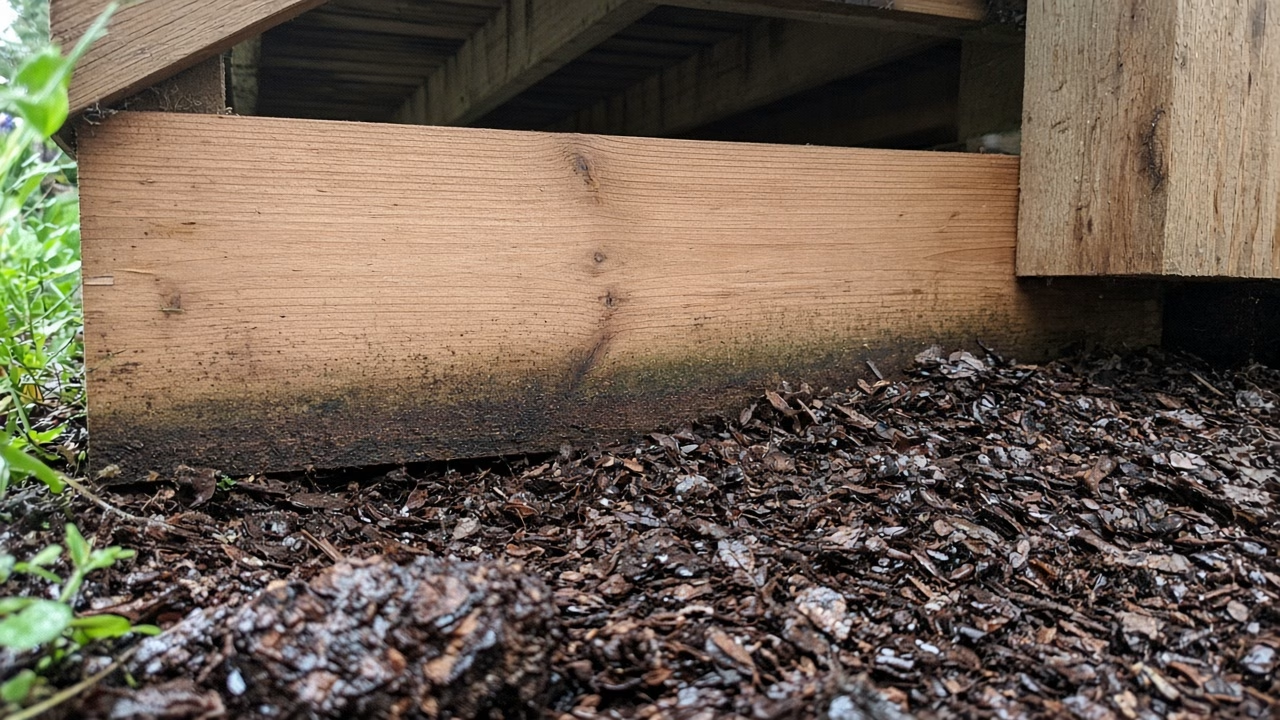
Indian Trail summers stay warm and wet. After storms, shaded joints stay damp while top boards bake in the sun. We’ve pulled rails that were sound in the middle and soft only where a board touched soil.
Because cedar holds natural oils, it resists rot better than a lot of framing lumber. When a screwdriver sinks in a dark spot, pull that piece.
Where the Work Begins
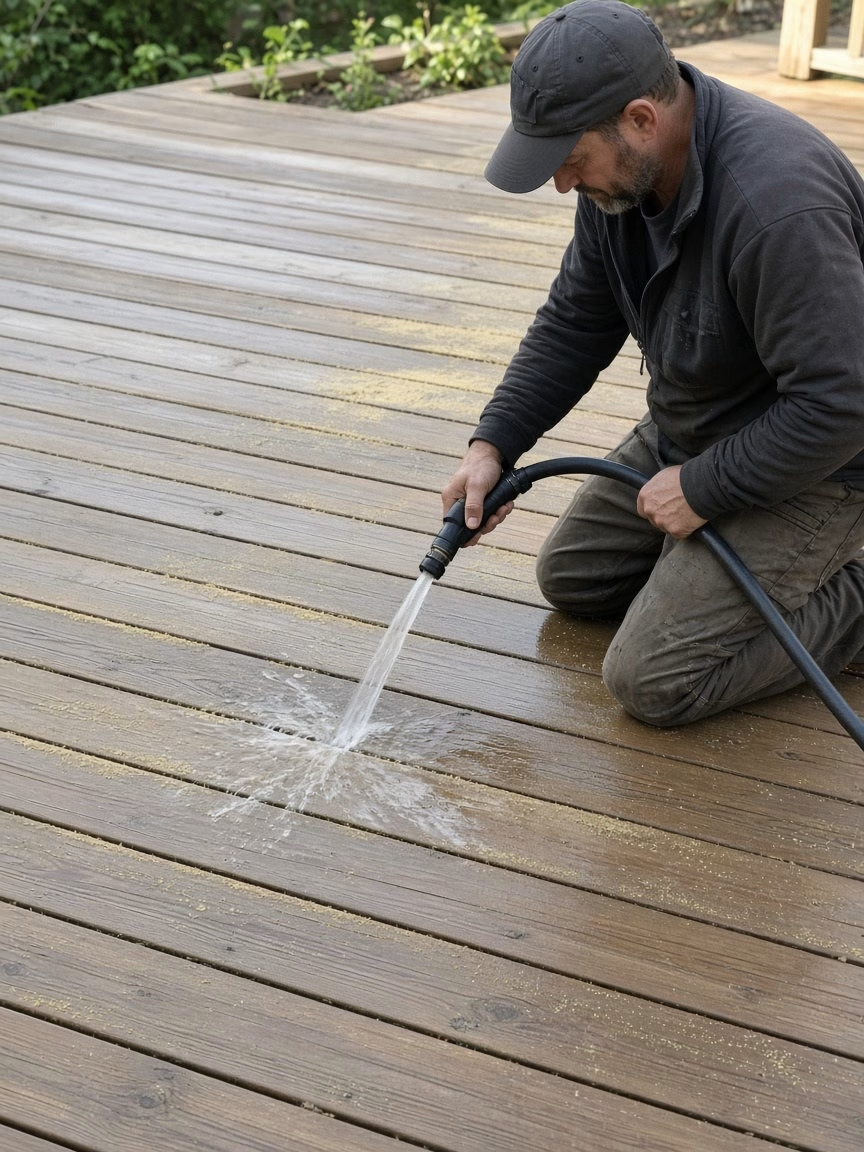
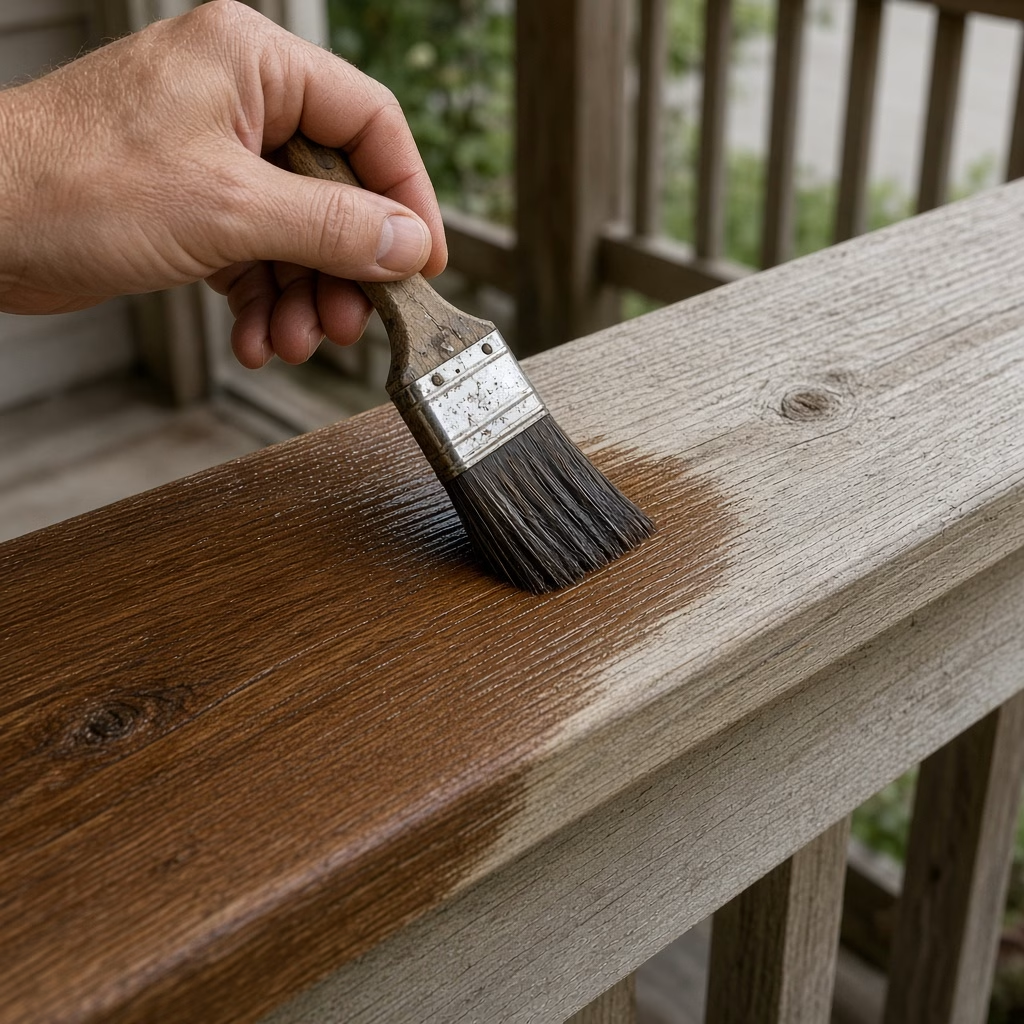
When a board looks rough, sweep pollen and grit off first. Then wash dirt out of the checks. Let the wood dry before any oil goes on. After it’s dry, coat the end grain, because ends drink water faster than the face.
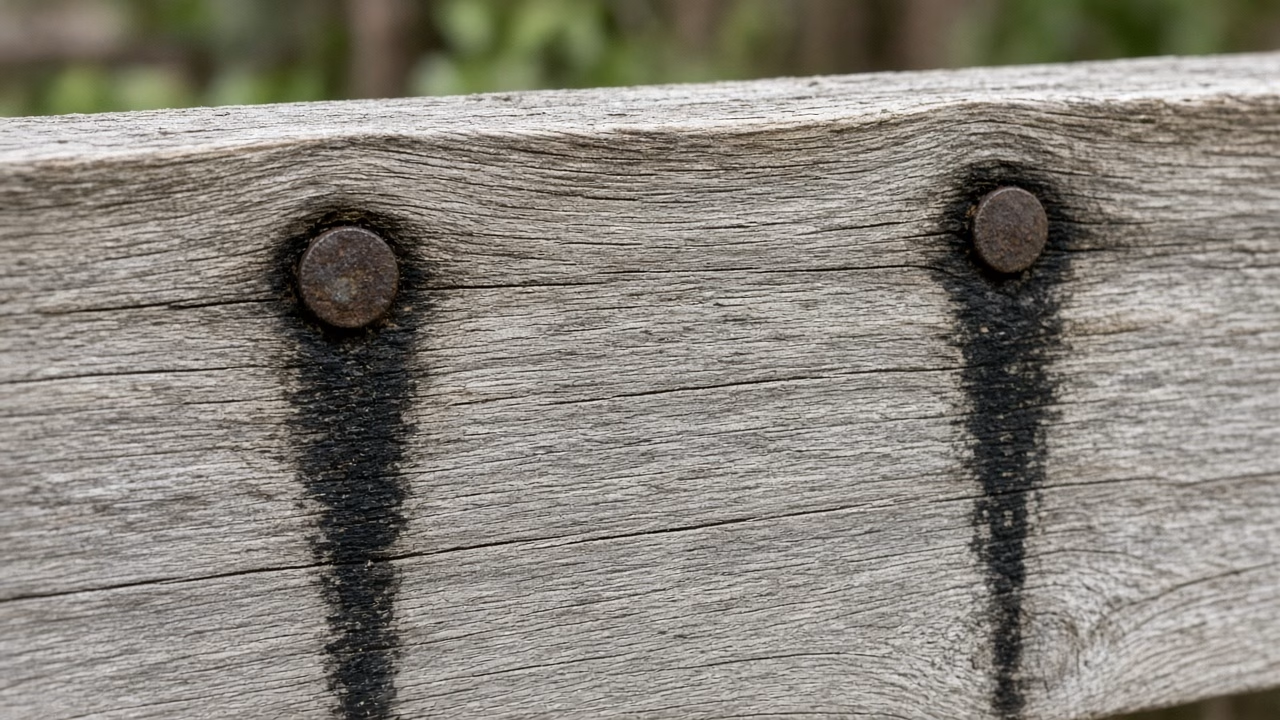
Keep boards up off the soil. Don’t leave a skirt in mulch. Leave a gap, or set the bottom rail on blocks. So we use stainless or hot-dipped galvanized fasteners, since plain steel leaves black streaks.
Shaped by Nature. Finished by Hand.
A clear oil lets the color show. Then you recoat when water soaks in instead of beading. Pigment in a stain blocks more sun, so the gray comes back slower. A thick film can peel once water gets behind it.
We keep finishes in the shop. For example, a porch ceiling stays out of the rain and still fades if sun reaches it.
A Resource for Ideas of Every Size
Cedar Lumber in Indian Trail: Shop Time and Stock
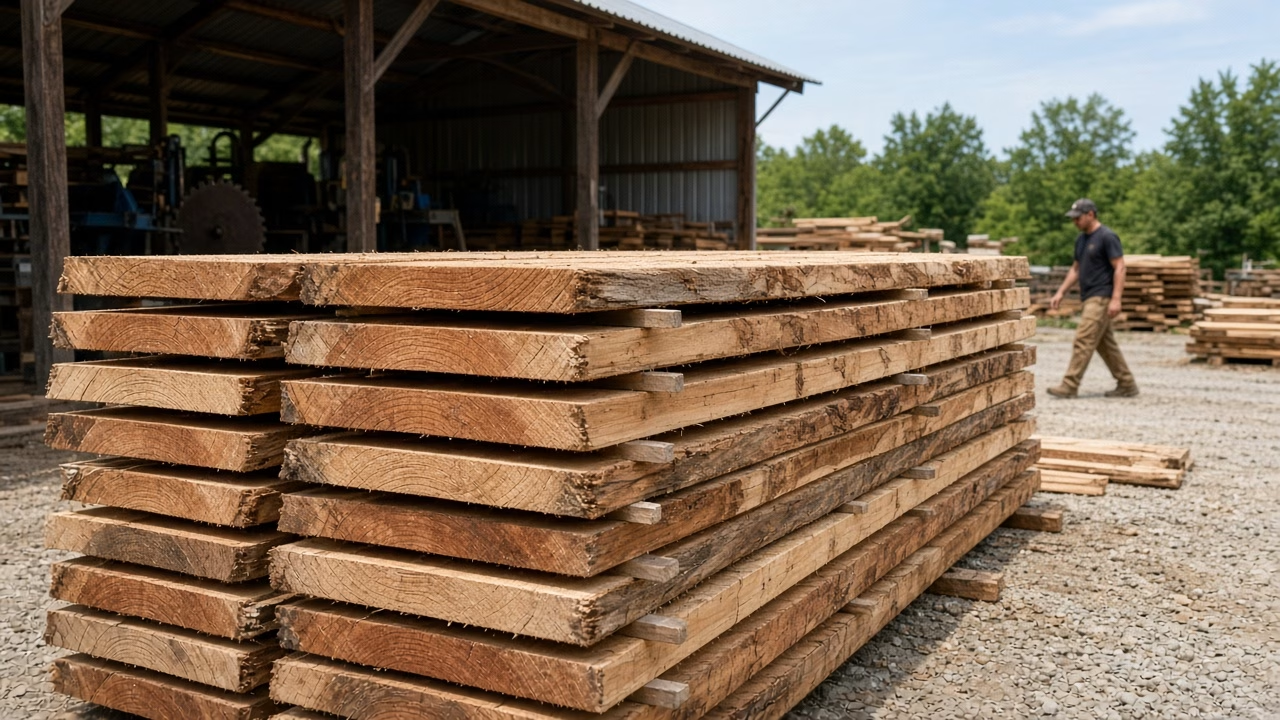
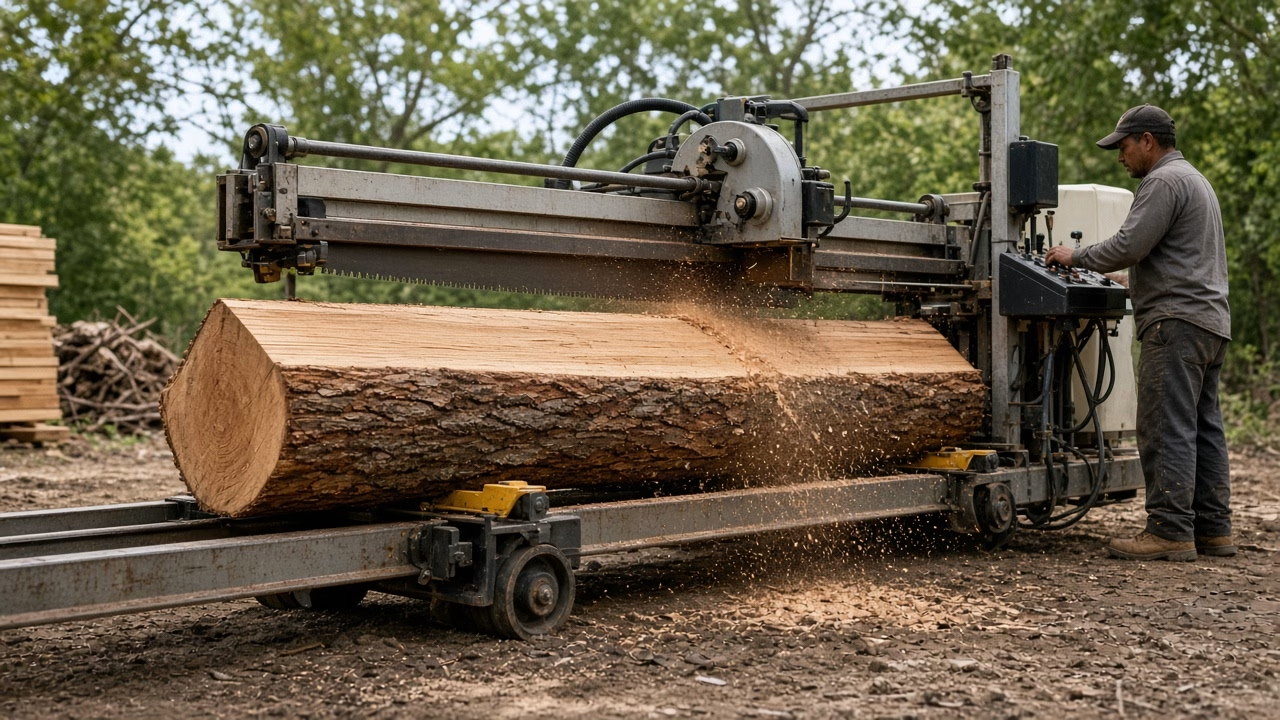
When boards are too far gone, you need new stock. People from Indian Trail have stopped in for boards. We mill our own material, and we can custom-mill qualifying customer-owned logs.
Look through lumber we saw on the mill before you pick a rail. Because kiln drying has a 500-board-foot minimum, we pull a short run from the yard. We write quotes out line by line once we know the size and the species.
More to Discover Around Every Corner
When humid weeks stack up, look at the joints first. Then check any board that sheds water onto the one below. A leaf pile keeps that corner wet, so clear it. Spring pollen in Indian Trail holds moisture on a flat rail.
When a rail splits, Cedar Lumber in Indian Trail from our inventory skips the 500-board-foot kiln minimum. Exposure changes the pick when you look at our cedar lumber work.
See What We’ve Been Creating
People in older houses have told us a covered porch stays closer to the outdoor air. We’ve also cut boards for wide decks in full sun. Those deck boards gray first. Entry trim in the shade picks up mildew.
But the care is the same idea. Keep water off the end grain. So recoat when a splash soaks in.
Planning an Outdoor Project?
Porch and Deck Care for Cedar Lumber in Indian Trail
After rain, porch and deck boards in Indian Trail get wet on the face. Rack stock under a roof stayed dry. We’ve built exterior rails and skirt boards.
The boards still need that dry-out. Mulch against a board, or a downspout on a post, keeps one spot wet. Then move the water.
People have called about Cedar Lumber in Indian Trail after a rail checked through a hot spell. Some callers described black streaks under old nails. Other callers described a board that cupped after it went up green and tight.
After we looked, we cleaned the piece and let it dry, then we coated it. An open check stays open. Finish slows new checks.


Come See What’s Taking Root
If you are buying boards for outside, ask a few things first. Here is what to ask before you hire someone to mill or install them.
- Which cedar, and will any of it touch soil?
- Air-dried, kiln-dried, or still green?
- Where it was stored, and whether you seal the ends before it goes up
- What they put on a rail in full afternoon sun
Cedar Lumber in Indian Trail from our stacks comes rough-sawn or surfaced. Our Lucas Mill can saw slabs up to six feet wide when the log allows it.