
About Rustic Roots Warehouse
The species question usually lands before the color does. Custom Woodwork in Rock Hill has to live through long humid summers. A poorly sealed cabinet will swell and stick. A wide top does the same when the air stays wet for weeks. So we pick the wood and the finish for that movement first. Then we talk about stain.
Because summers here stay damp, indoor wood still takes on moisture. Air conditioning doesn’t hold a piece at one level all year. After a wet week, we have seen drawer sides drag in cooled houses. We plan species and finish around that swing.
Always Growing. Always Creating.
Species Choices for Custom Woodwork in Rock Hill
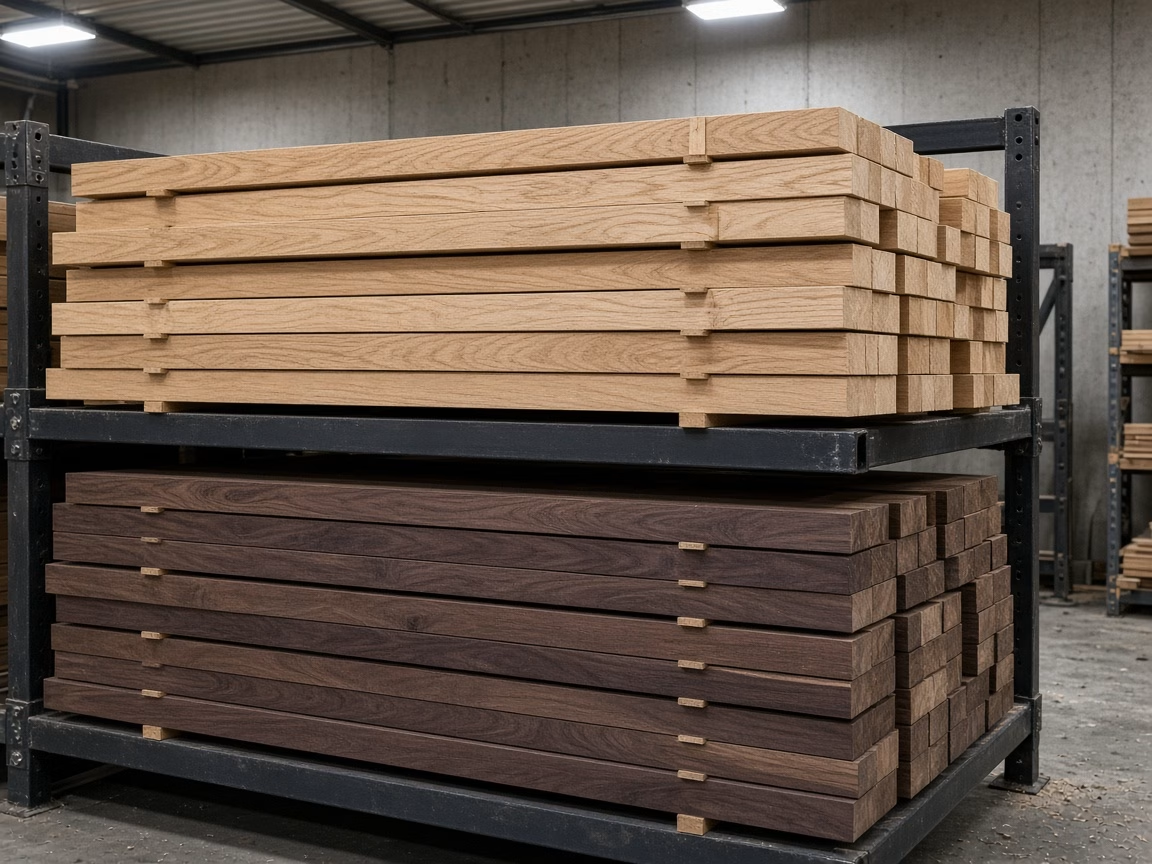
So the species list follows lumber we dry and keep straight here. White oak is the board we reach for on cabinets and tables. When someone wants the grain darker, we move to walnut.
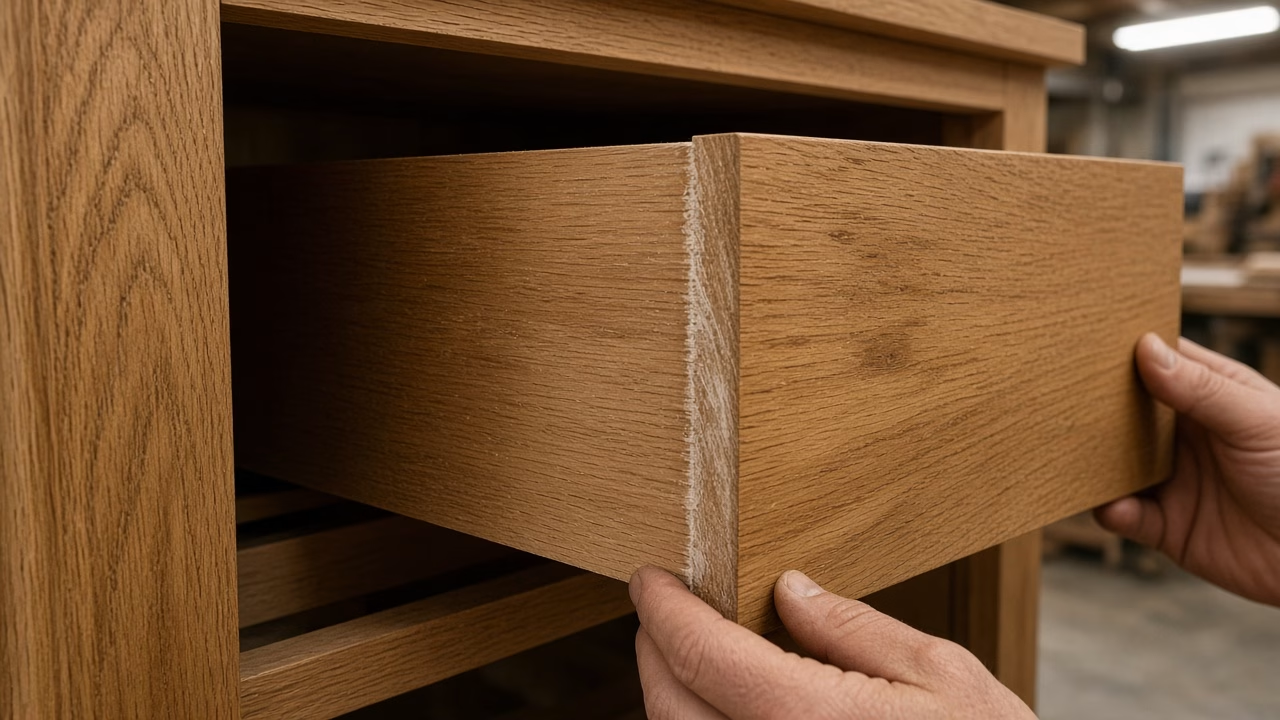
Cherry can blotch if the sealer is thin, and it moves across the grain in summer. But we use it when the color is the point and the panels can move. We seal every face on pine, because we have pulled drawers that dragged after only the front got finish. Paint jobs usually go on poplar we mill here.
Where the Work Begins
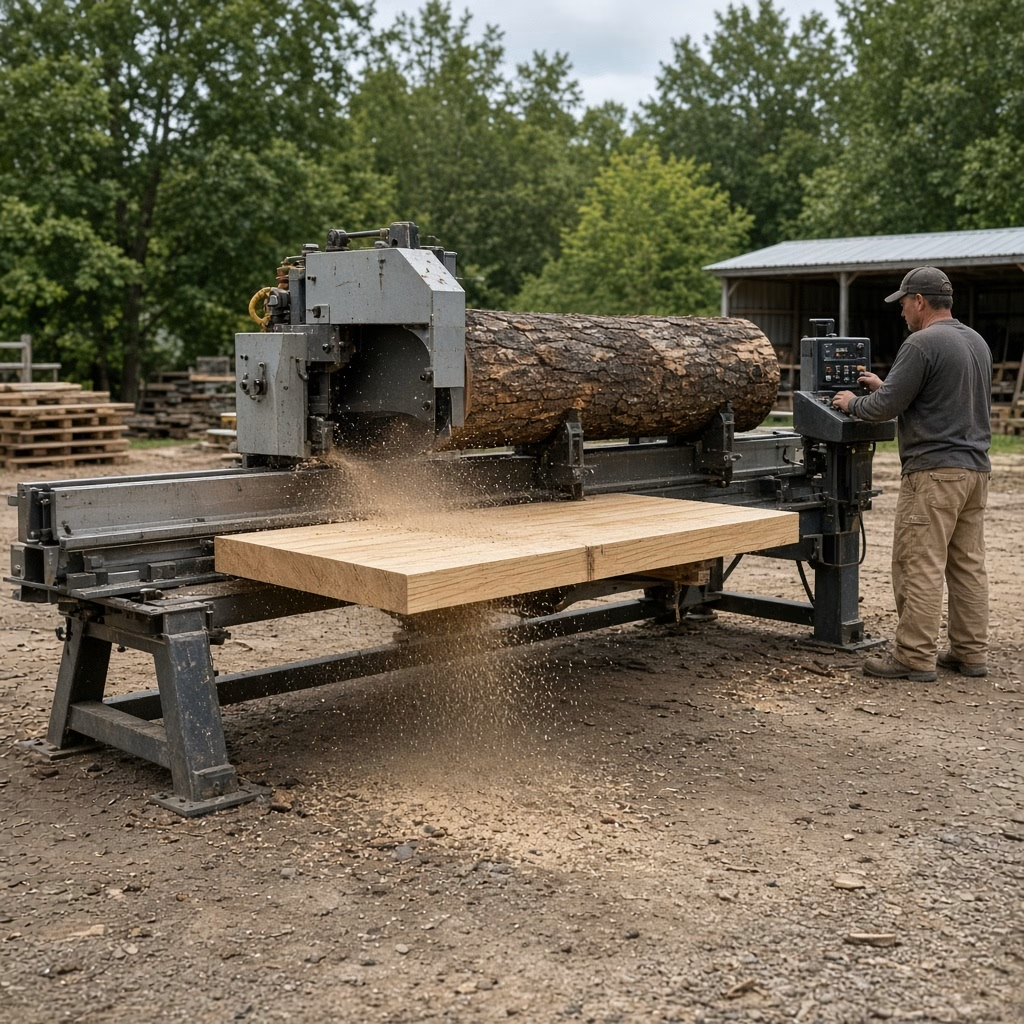
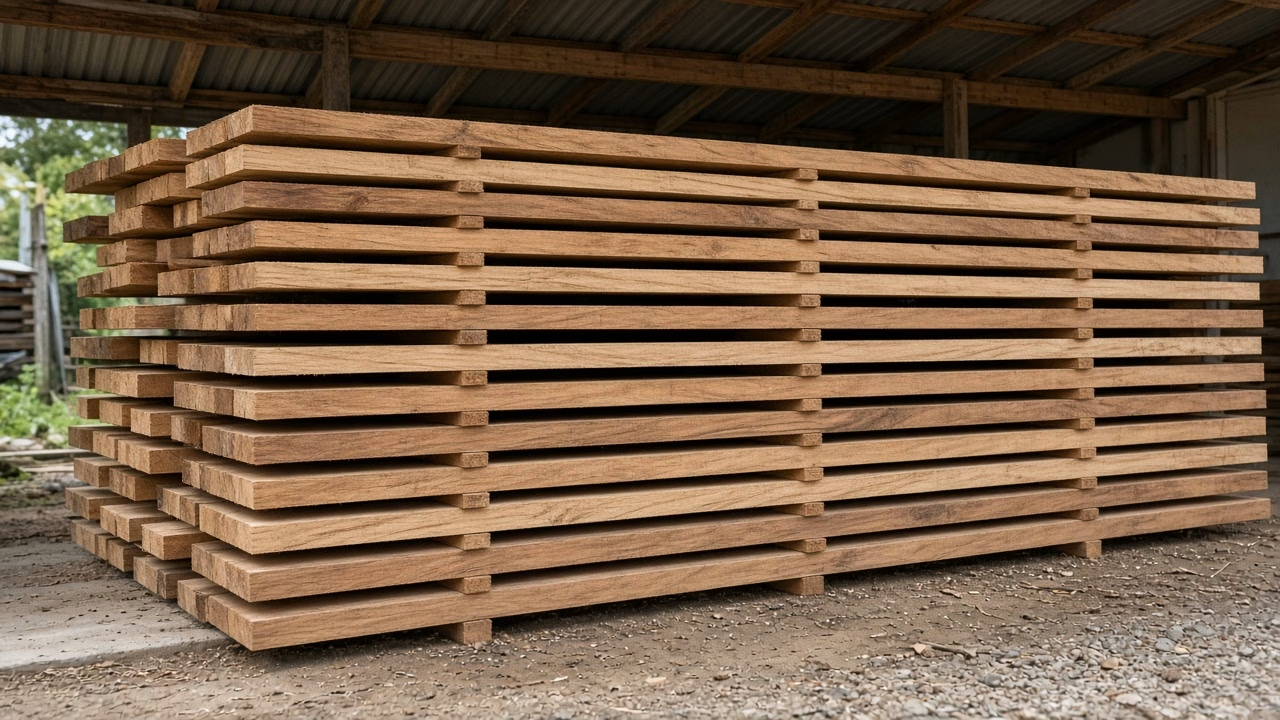
Drying decides whether the finish has a chance. We keep air-dried stacks and kiln-dried stock on the sawmill and lumber side of the shop. When a board is still giving up water, we don’t finish it. Our Lucas Mill cuts slabs up to six feet wide. So the base has to let a wide top expand. We mill qualifying customer-owned logs. Then kiln-drying for a customer starts at a 500-board-foot minimum. A small slab usually comes from inventory we have already dried.
Shaped by Nature. Finished by Hand.
Custom Woodwork in Rock Hill Finish Coats
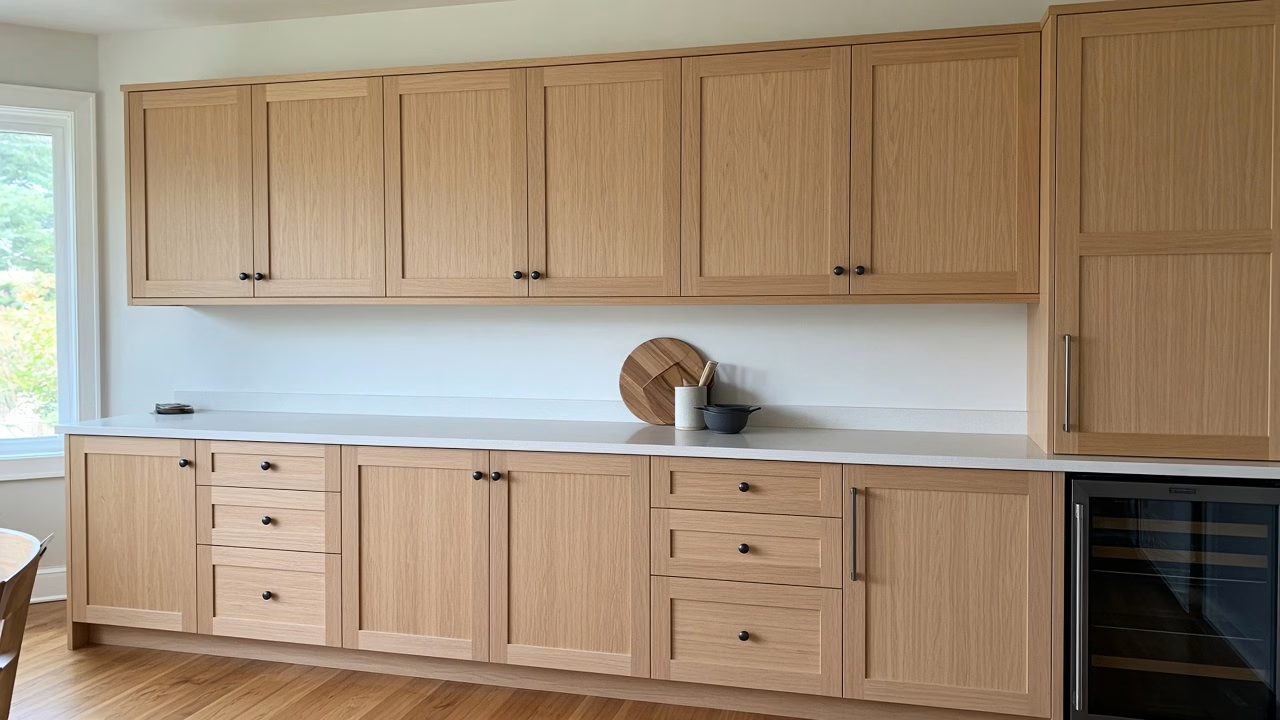
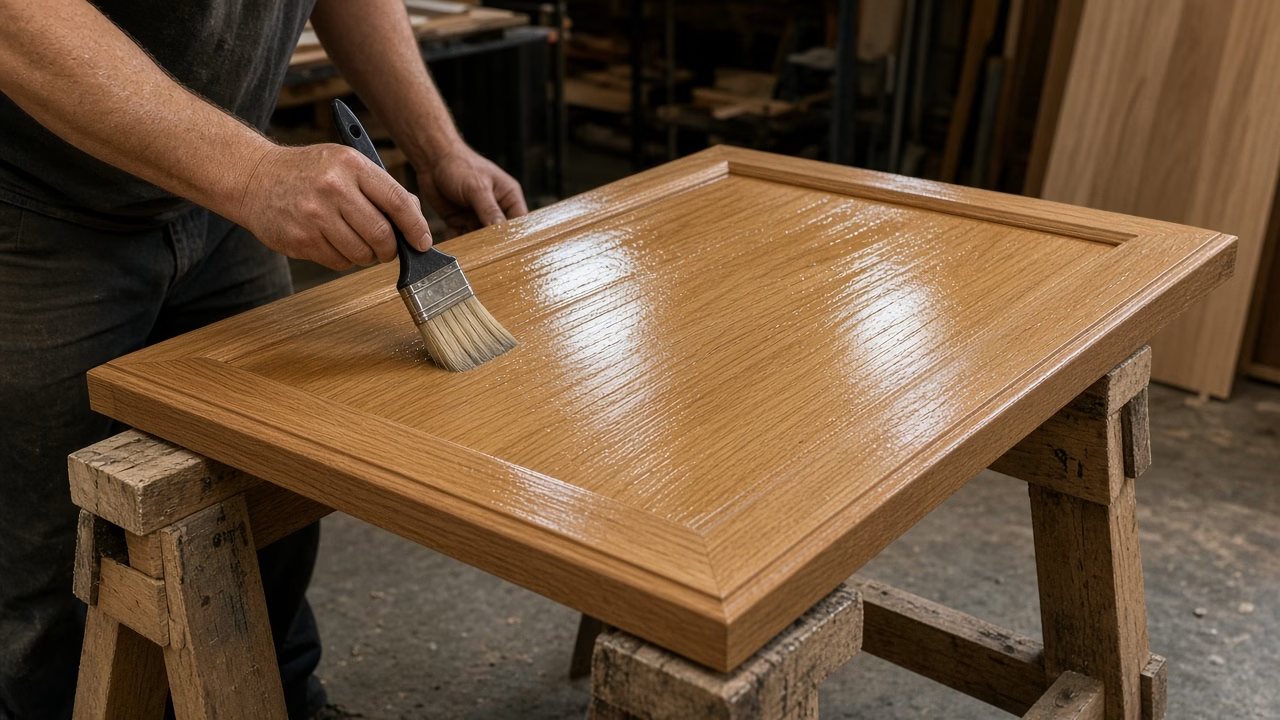
A film finish slows moisture in this climate. For example, we put a sandable film, often varnish or conversion varnish, on kitchens and baths. We still wipe oil when someone wants that feel, and we say the wood will move more.
Door backs and the underside of a top get film too. Because moisture enters an unfinished face faster, we also coat the inside of a sink cabinet. Bare backs are a common reason a cabinet cups in July. After we coat the faces, we let the film cure before the piece goes out.
A Resource for Ideas of Every Size
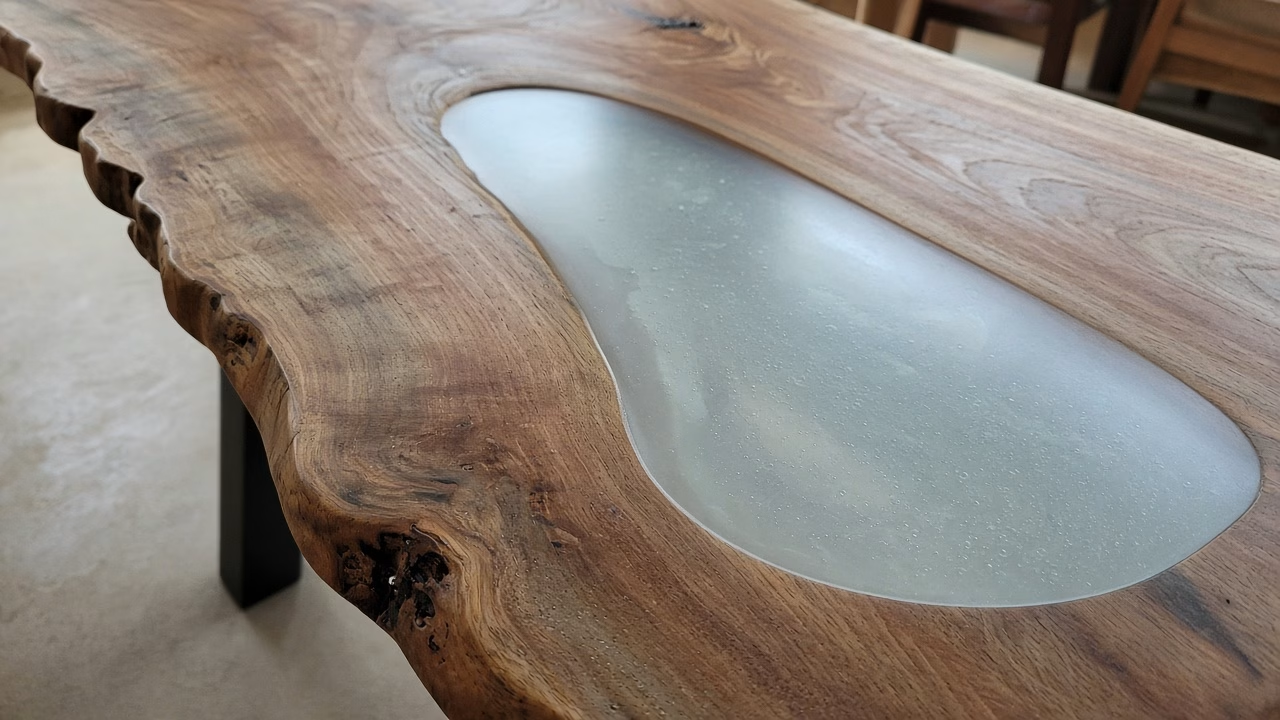
Epoxy is one of the options on a live-edge top. The resin holds its shape while the wood beside it swells in humid air. So we want that slab dry, and the base has to let the top move. We have seen a hairline open along a resin line when the slab went out wet.
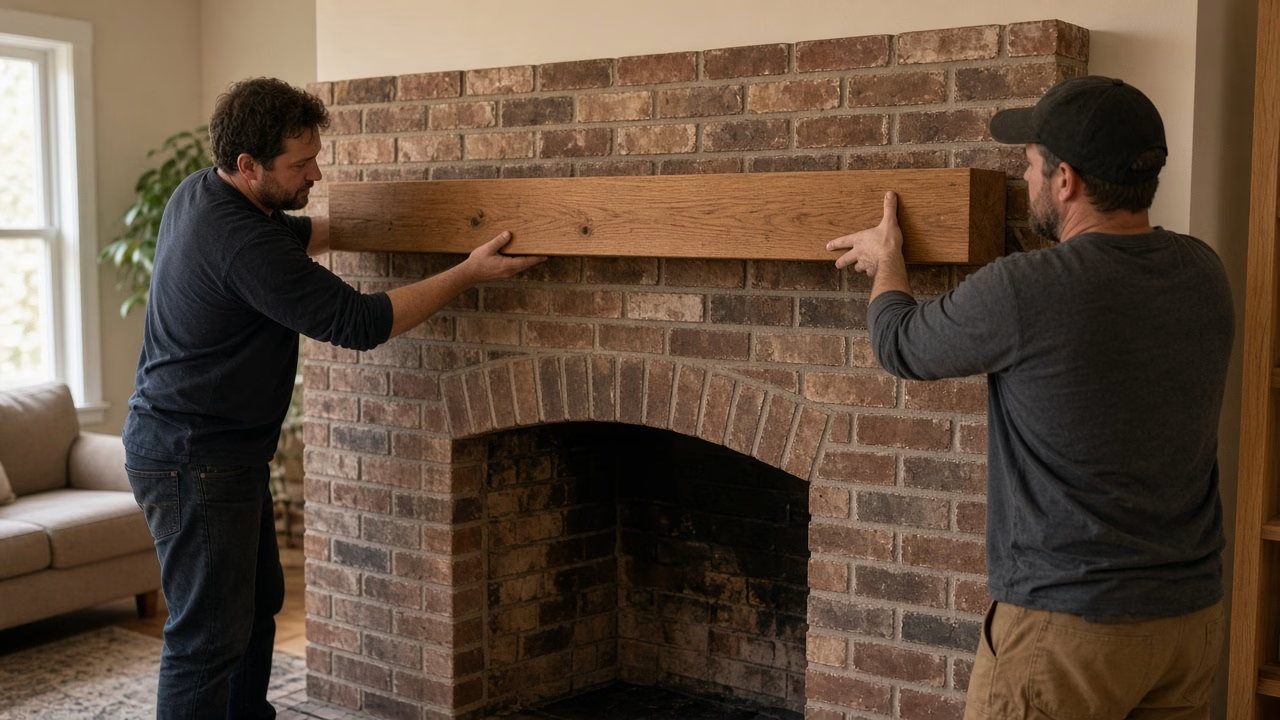
Where the piece lives changes the finish plan. A mantel sits in dry heat from the firebox and in room moisture from the house. For example, a porch table in Rock Hill takes damp night air and afternoon sun. Exterior pieces need a finish we can recoat, and we sort that out before we build.
More to Discover Around Every Corner
What Custom Woodwork in Rock Hill Takes to Quote and Build
We don’t cut joinery until the wood is dry. If the board is already kiln-dried in our inventory, we can start milling once a bench is open. If we are drying a customer log, that kiln load comes first. And it has to meet the 500-board-foot minimum. Then finish coats need cure time between them before we install.
Species and slab width both move the quote. We write quotes out line by line so you can see which choice moved the number. The build steps sit with the slab options on our custom woodwork we mill and build page.
See What We’ve Been Creating
After install, summer humidity still swells the wood a little. People have called us in July because a door started to rub the frame. When we find an unfinished back, the fix is a return trip and more film. So we tell people to wipe spills that sit on a film, since standing water can cloud it. Custom Woodwork in Rock Hill still needs that habit in a kitchen. When a film we sprayed starts to wear, we can scuff it and add a coat. But we check the old film first.
Planning an Outdoor Project?
Fitting Custom Woodwork in Rock Hill Houses
Rock Hill, South Carolina has older houses with original trim and newer houses with air conditioning. We have fit new cabinets beside old casing that had cupped after years of humidity. So we scribe the end panels. We also leave a small gap where a stile meets a wall that isn’t straight.
Because a kitchen still gets wetter when someone boils water, we finish sink-cabinet interiors like the doors.
Because water-based film raises the grain, we sand between coats. Oil-based film ambers, and some people want that shift on oak. People ask us for both on Custom Woodwork in Rock Hill. And we put a sample board in the room light before we commit the piece.


Come See What’s Taking Root
Grain direction on a door panel matters as much as the species. We run the panel so it can expand across its width inside the frame. A panel glued tight all around will split or bow when July humidity is high. We have repaired that on pieces built elsewhere.
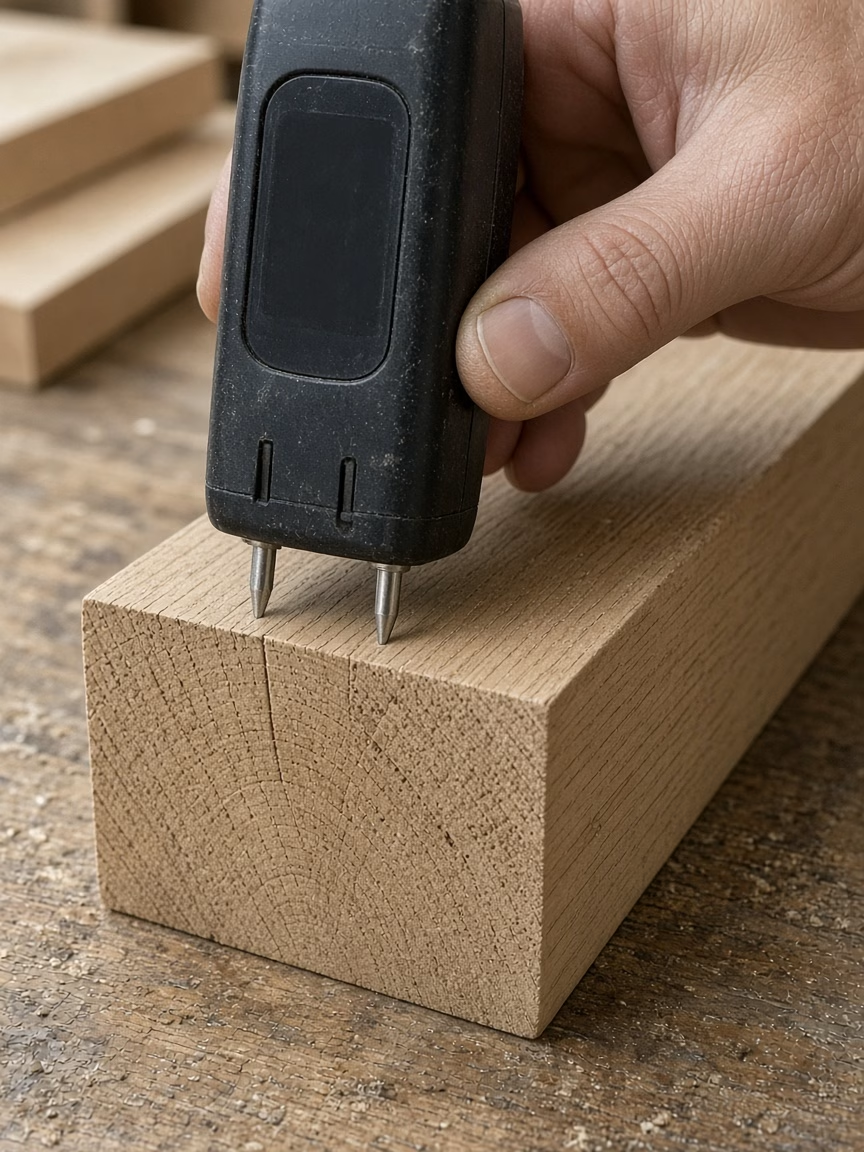
We check a scrap from the same batch with a moisture meter before the last coat. If that scrap is still high, the piece waits.