
About Rustic Roots Warehouse
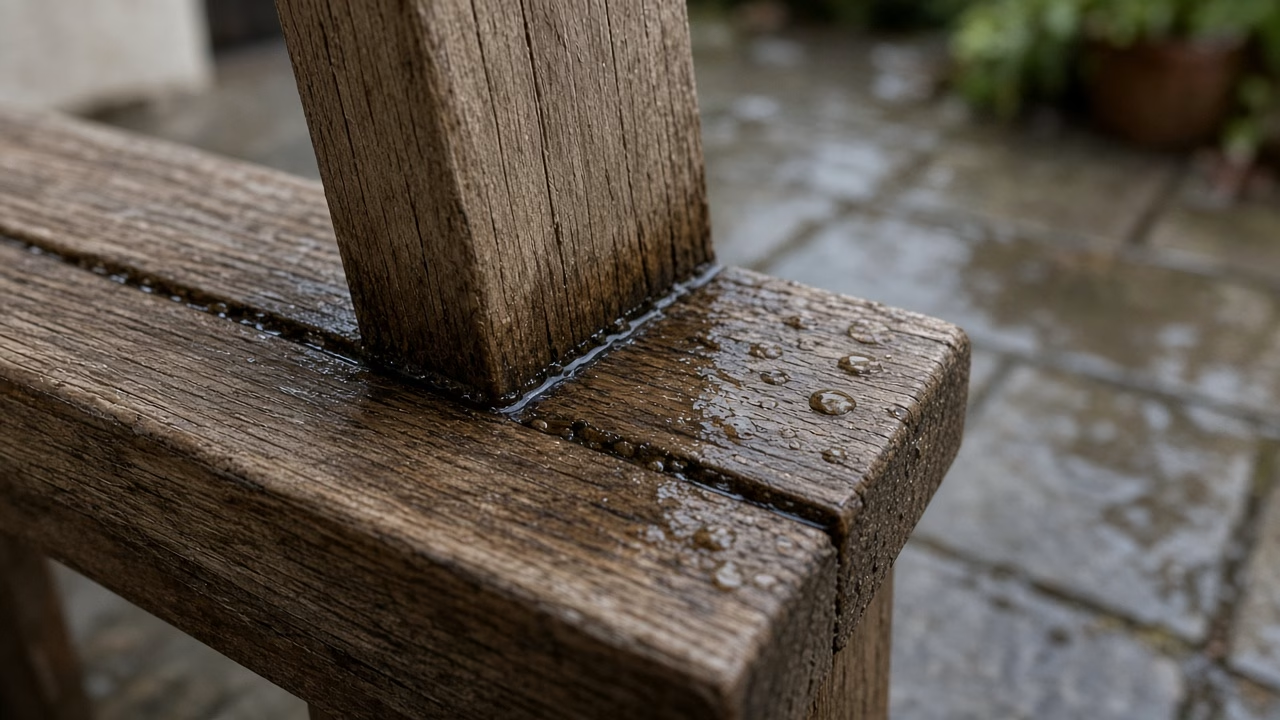
Water sits in the groove where a bench seat meets the back slat. You wipe it, and the cloth comes up gray-green. So people ask how to look after a bench once summer rain has had a few weeks at it. Custom Outdoor Furniture in Stallings stays sound if you wipe standing water off and wash grit off the finish. Then you renew the coat once water stops beading on the surface. Mild winters don’t give outdoor wood a break in Stallings. Because rain and humidity keep the wood damp, strong summer sun fades a coat that stays wet.
Always Growing. Always Creating.
Custom Outdoor Furniture in Stallings After a Wet Week
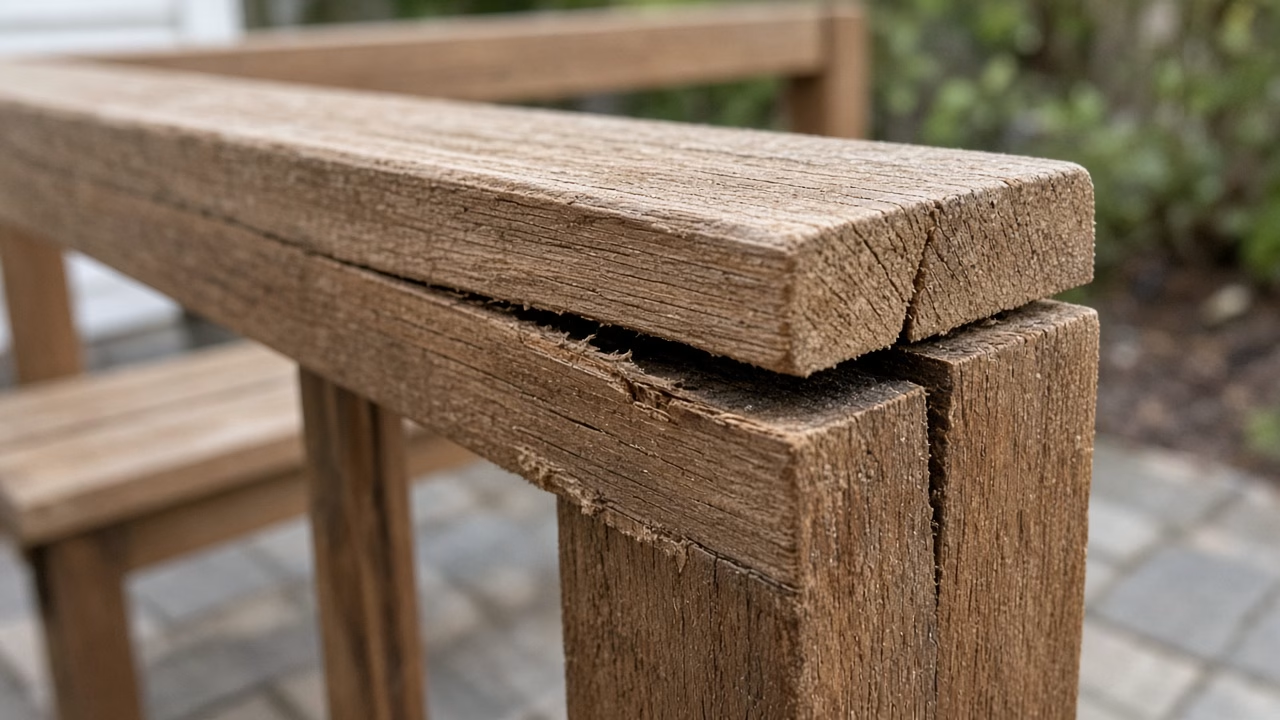
Wood takes on moisture across the grain. When the air stays humid after a storm in Stallings, a wide top grows in width. Length barely changes. So a joint that was tight in spring can show a hairline by the middle of summer. We’ve seen finish film crack along that line, then water work under the coat.
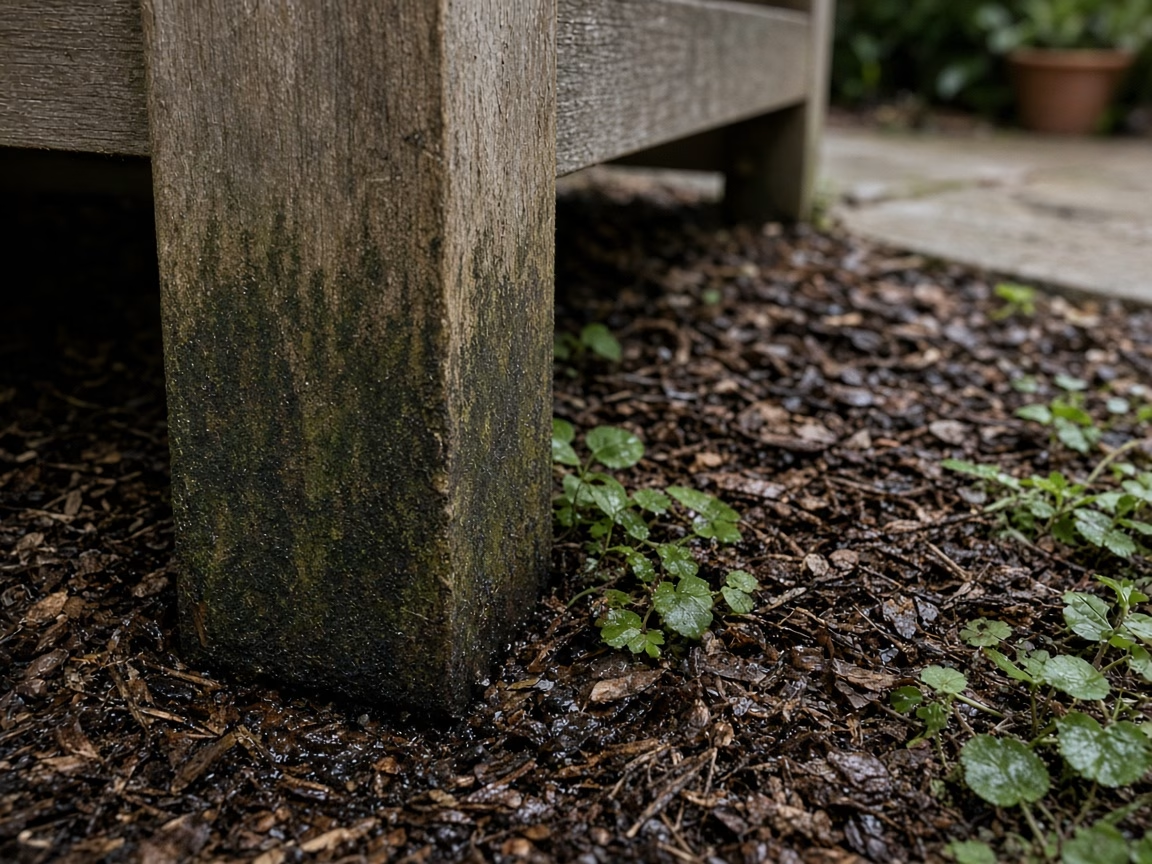
End grain at the feet drinks faster than the face of a board. After a night of rain, the bottom inch can look darker than the rest of the leg. But a top that faces south or west takes the sun once the clouds clear.
Where the Work Begins
When a piece starts to look tired, we walk the same short order. Find the spot that changed, like a dark line at a joint or a dull patch in the oil. Wipe standing water the same day. Then let the wood dry before you add anything.
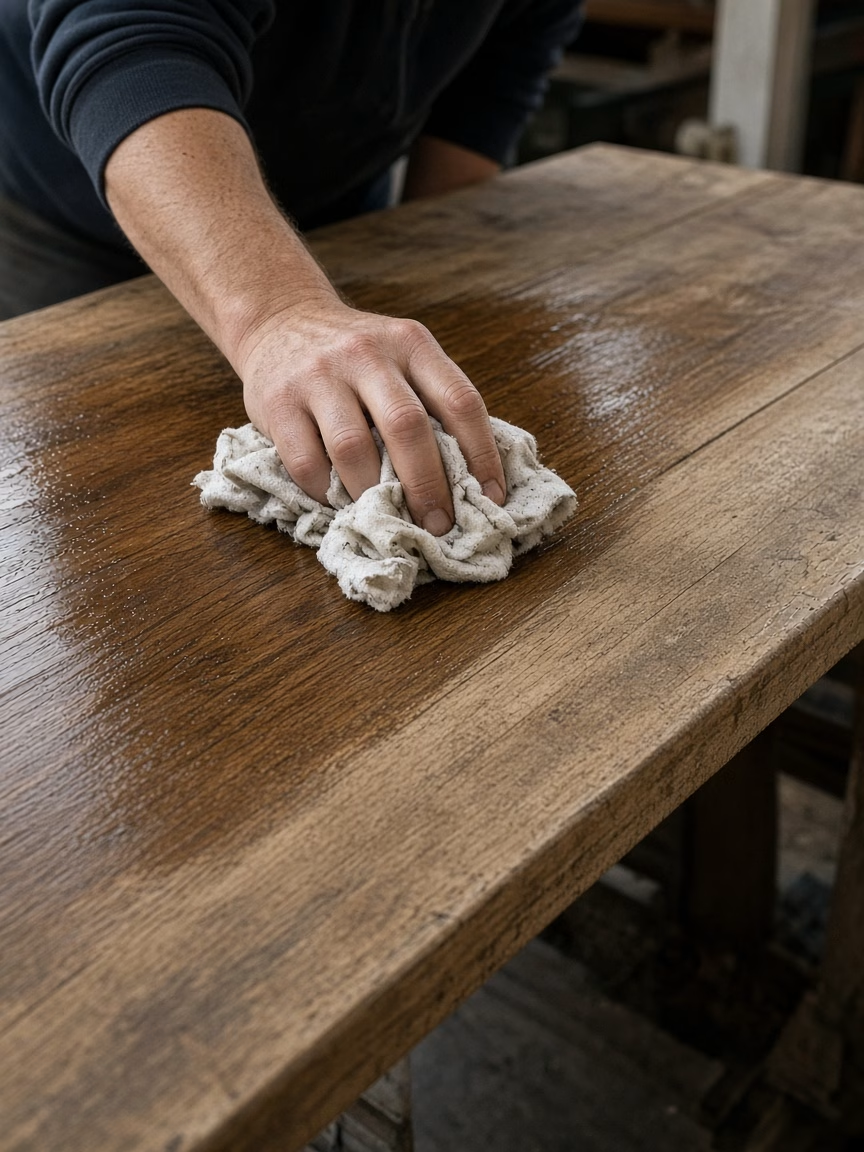
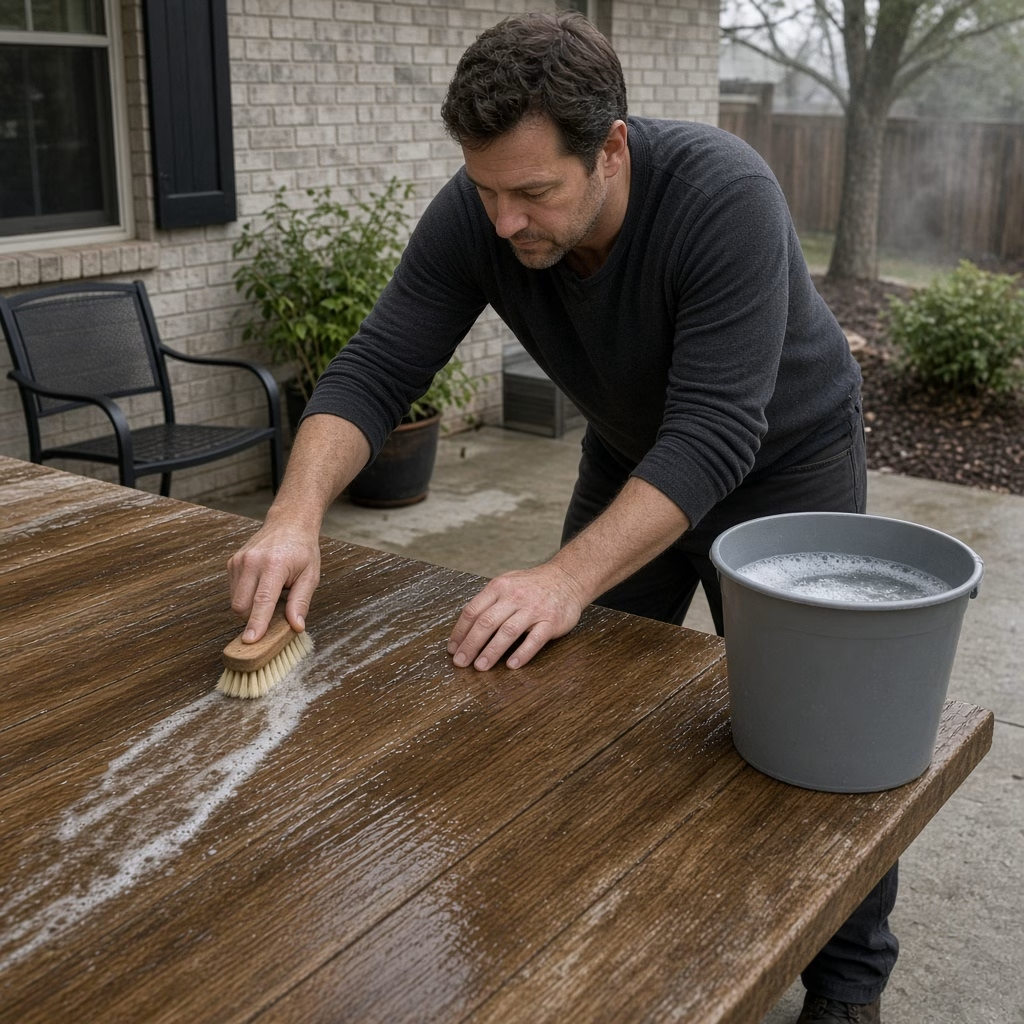
After the surface is dry, wash with a soft brush and a little mild soap. Then rinse, and let it dry again in the shade. A pressure washer will raise the grain and blow finish out of the pores. So we leave that tool in the shed. For example, a bench that only needed a wash came back with raised grain after a hard spray. People looking after Custom Outdoor Furniture in Stallings often start with this wash at home.
Shaped by Nature. Finished by Hand.
Finish Checks for Custom Outdoor Furniture in Stallings
Finish choice changes the care you do at home. A film finish, such as an exterior varnish, sheds a short spill. An oil looks dull when it needs another wipe of the same product. When water soaks in instead of beading, the coat is thin.
We keep exterior oils and film finishes on hand. You can look at them on sample boards before you pick. Epoxy is an option on some tops. Ask whether that pour is meant for full sun, because a lot of epoxy yellows outdoors. Don’t put an indoor oil on a porch piece. It’ll stay soft in the heat and pick up dirt.
A Resource for Ideas of Every Size
A wipe-down and a look at the joints take an evening at home. A loose tenon or a cupped top can mean a shop visit. Custom Outdoor Furniture in Stallings sometimes needs that shop time after a long wet spell. The finish can still look even when a joint has started to open.
People from Stallings bring a bench in when a home recoat won’t close the gap. Then we check how the top is fastened. We write the quote out line by line after we see the piece.
More to Discover Around Every Corner
How Often Should Custom Outdoor Furniture in Stallings Get a New Coat?
We don’t give a calendar date, because a covered porch and an open deck wear at different speeds. When water stops beading, or the oil looks dry and flat, it is time. A south-facing seat often reaches that point sooner than a bench under a roof.
Should Covers Stay on Custom Outdoor Furniture in Stallings?
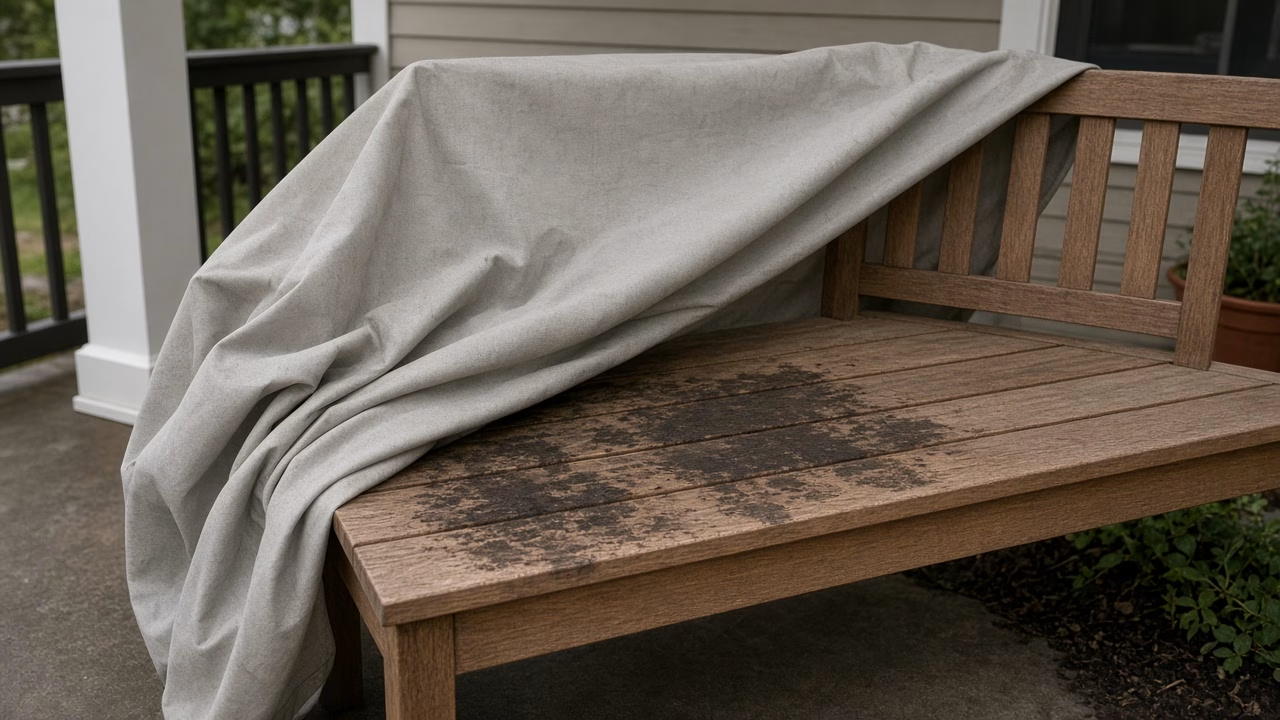
A cover helps when you put it on dry wood and take it off after the rain. When a tight cover sits for weeks in humid air, the wood under it stays damp. We’ve pulled covers back and found dark spots that were not there when the cover went on. So let the piece dry in open air before you cover it again.
See What We’ve Been Creating
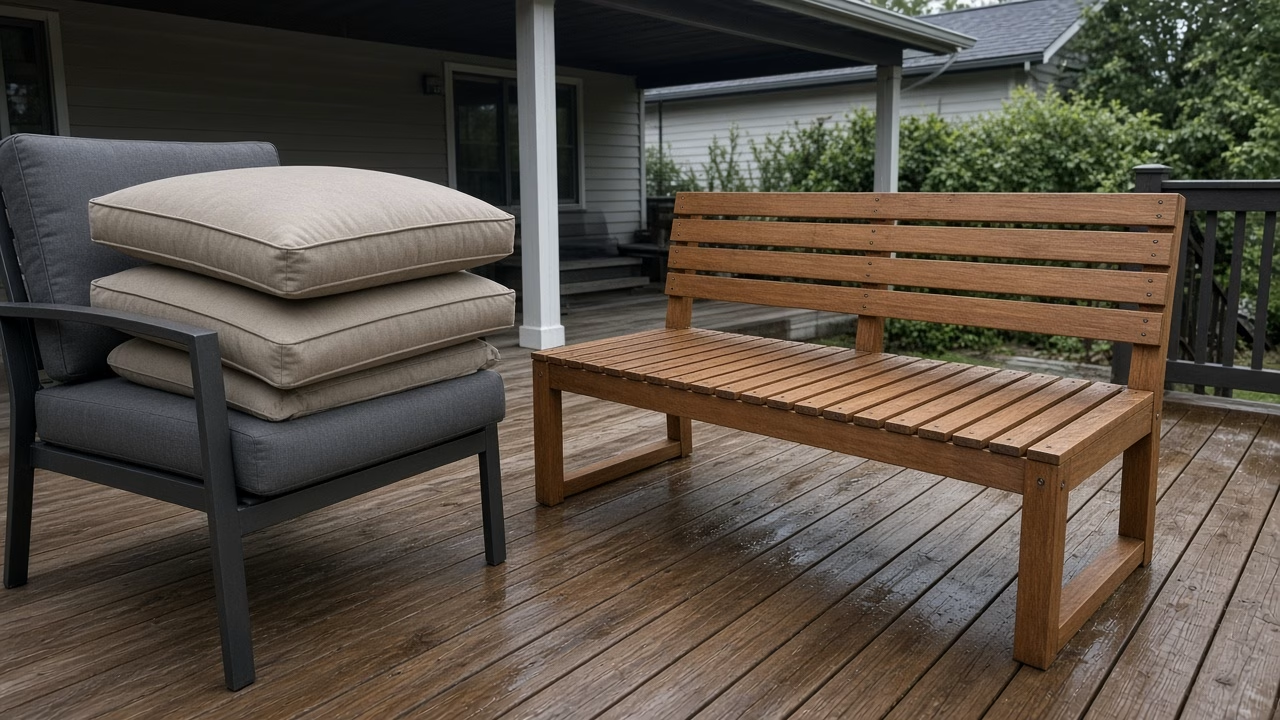
An open patio takes more sun than a screened porch. After a clear afternoon, the top can feel hot while legs in shade still hold last night’s damp. Pull cushions off when rain is in the forecast. A wet cushion holds water against the finish for days.
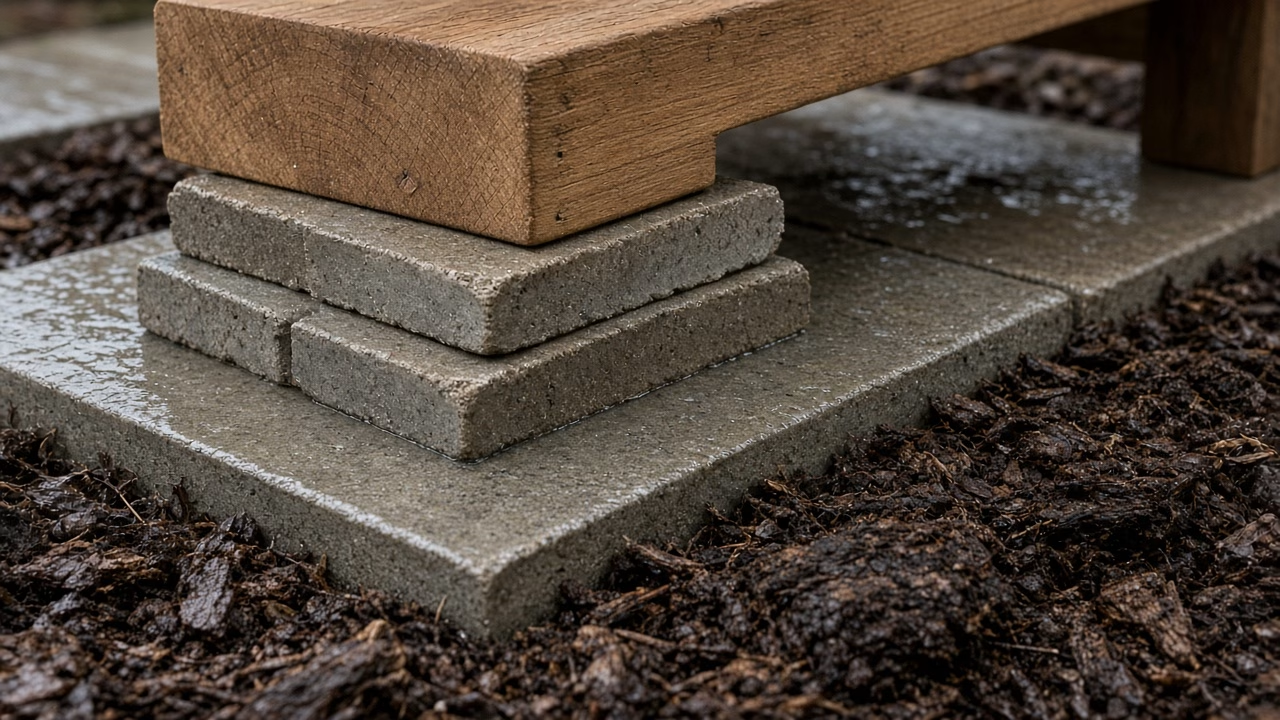
Feet should sit on pavers or a deck board. Mulch stays wet, and the end grain at the foot will keep drinking. We’ve tipped benches and found the bottom inch soft while the seat was still firm. For example, a paver under each foot breaks that contact with the wet ground.
Planning an Outdoor Project?
Porch Habits for Custom Outdoor Furniture in Stallings
In Stallings, a porch piece sits in damper air, even under a roof. A screened porch and a covered entry both hold humidity after rain. Wipe the seat before you put a cushion back. Then check the pocket where a leg meets a rail, because that spot hides water.
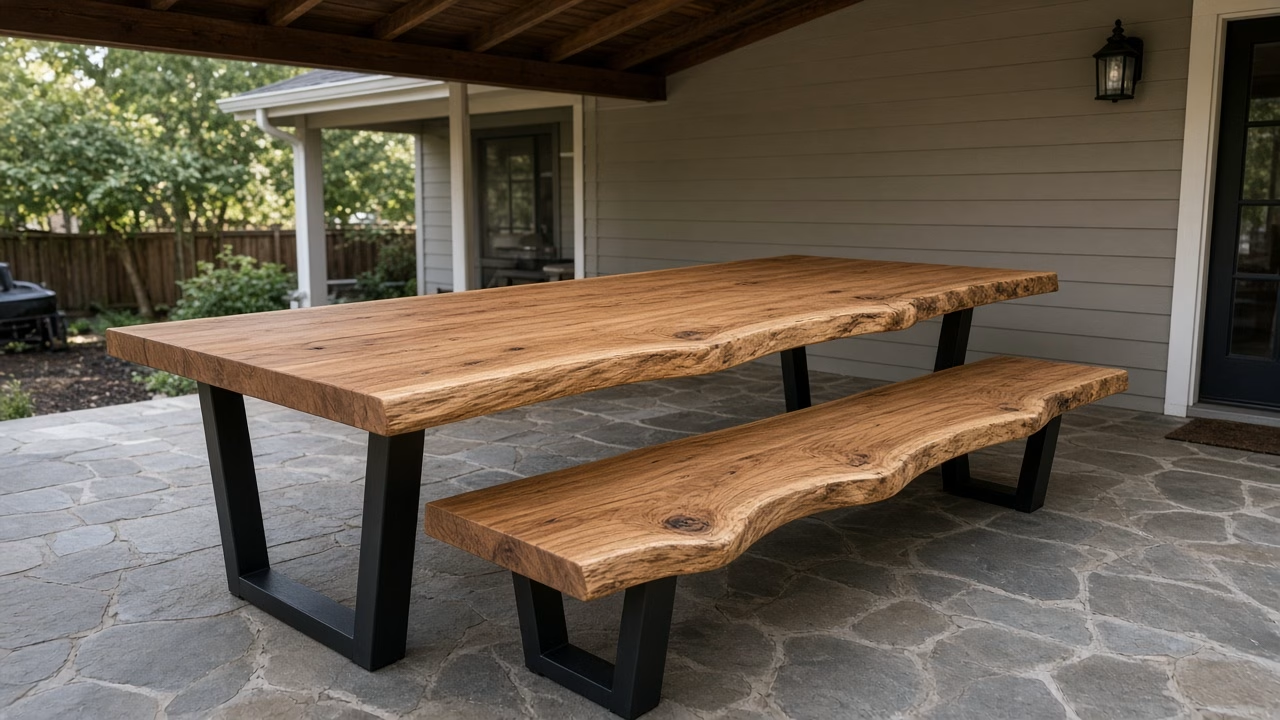
If a joint has opened, bring it to the shop with the rest of our custom outdoor furniture work. We mill the lumber ourselves on the sawmill. Then we can match a patch from air-dried or kiln-dried stock when we still have that species. A slab from the Lucas Mill can run up to six feet wide. That width moves more in damp air. So we leave room at the fasteners when we build the top.
People have called after a bench tightened at a joint through a hot wet spell. Then the joint eased once the air dried. Some calls were about a top that cupped and a finish that opened along the grain. Custom Outdoor Furniture in Stallings goes through that kind of move in a wet summer. A small move can be seasonal swell.
When the gap stays after a dry week, or a fastener has pulled, bring the piece in. We would rather see it before someone packs the crack with a hard filler. That filler can pop out on the next swell. A flexible caulk won’t pull a loose joint tight again.


Come See What’s Taking Root
If you are choosing a new piece, ask how that species moves once it lives outside. Then ask whether the stock is air-dried or kiln-dried. White oak, with its tighter grain, sheds weather well outdoors. We’ll say so if a slab on the rack is a poor pick for full sun.
Some households want a porch table and a related piece we build as indoor custom woodwork. The outdoor piece still needs the same wash and recoat. When the build is still on paper, ask whether the fasteners leave room for a wide top to move. Then ask whether any epoxy on that top is meant for sun.