About Rustic Roots Warehouse
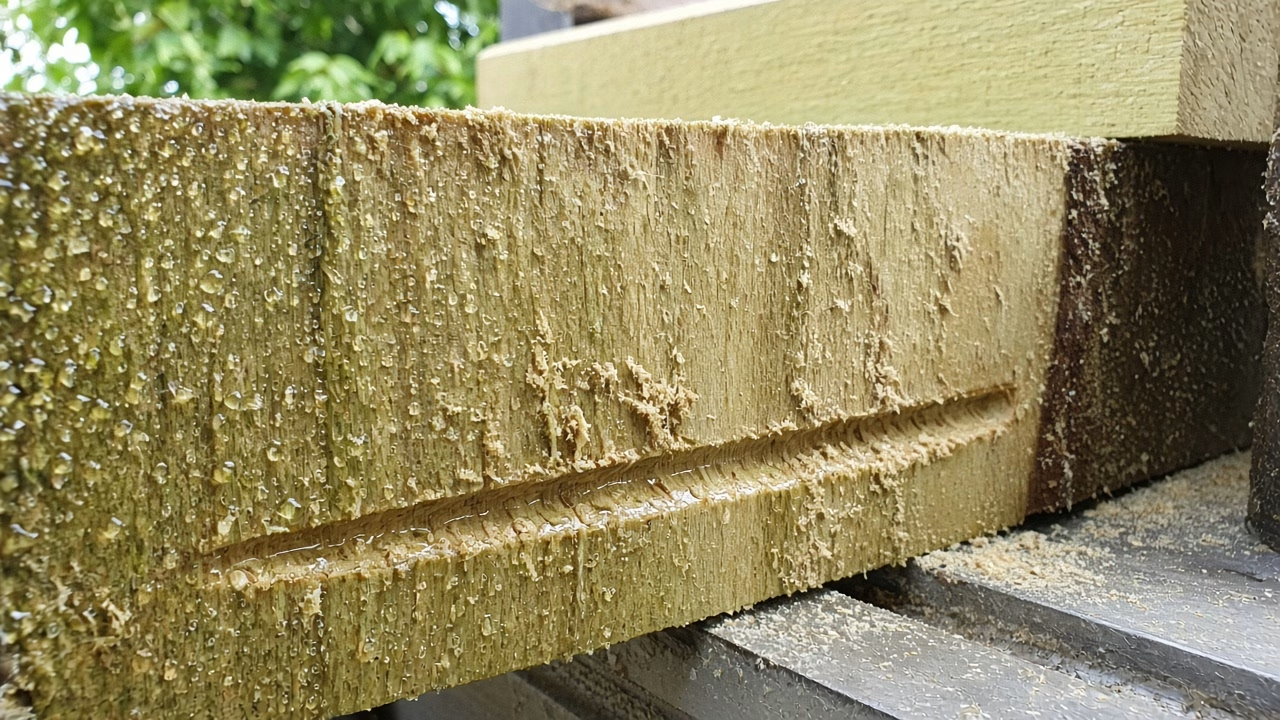
You set a fresh board on the bunk and the cut face is still wet. But water sits in the kerf. The stack smells like the tree did an hour ago. Custom Log Milling in Stallings still has a wait after that wet stage. Once the log is on the saw, the milling itself moves along. So the date you can build depends on drying. In Stallings, freshly milled lumber cannot go straight into a house, because humidity stays high for much of the year and green boards need real drying time. So a kitchen or a floor has to wait on the moisture before anyone fastens a board.
Always Growing. Always Creating.
What Humid Air Adds to Custom Log Milling in Stallings
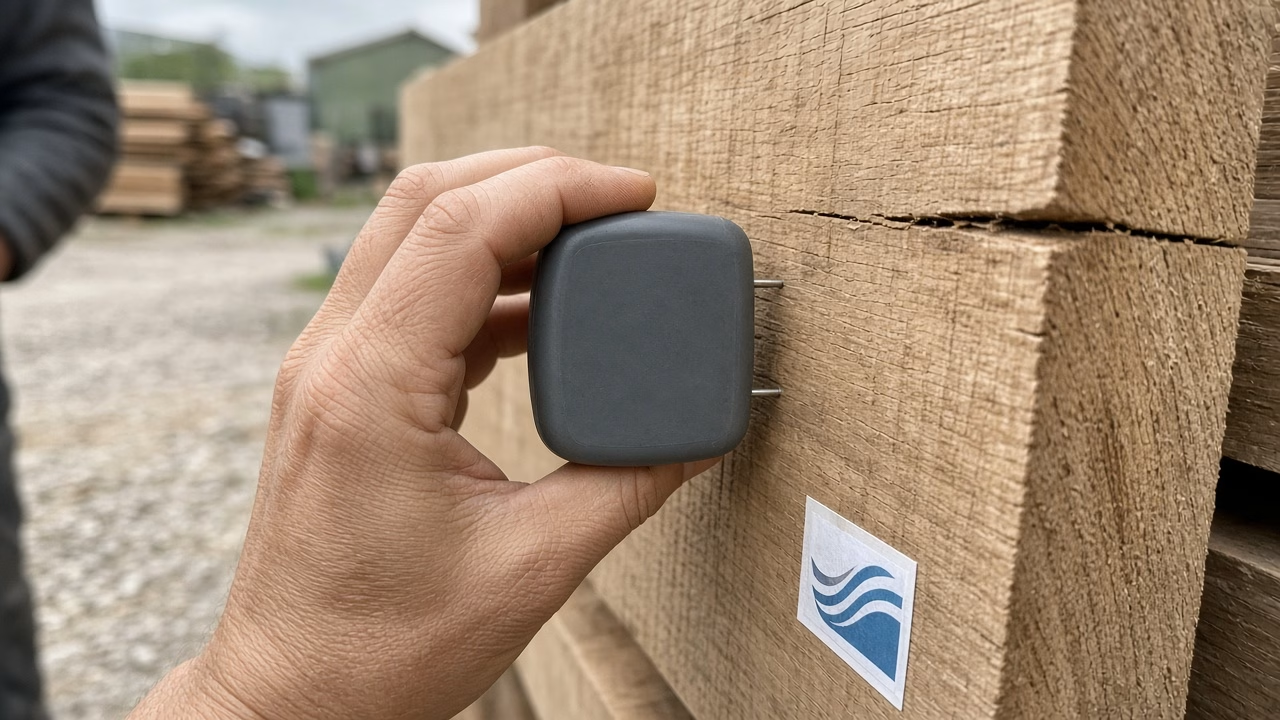
When wood is green, it gives off water until it matches the air around it. Damp air keeps that match wetter than an indoor room wants. We have pulled boards off an outdoor stack in late summer and the faces still felt cool. A meter on those boards sat higher than we would send into a closed-up house.
Stallings sits in the same humid stretch as the rest of the Charlotte area. Because summer weeks hold moisture in the air, a stack under a roof still takes on that air. So air drying here still follows the weather. Thicker slabs take longer than one-inch boards. Because dense hardwoods let go of water more slowly than pine, an oak pile sits longer.
Where the Work Begins
So people have asked for a date the boards will be dry. We cannot name that date from the saw cut alone. Log size and thickness change the wait. The drying path changes it too. Then the work follows a short order.
- We look the log over and say whether it qualifies for custom milling.
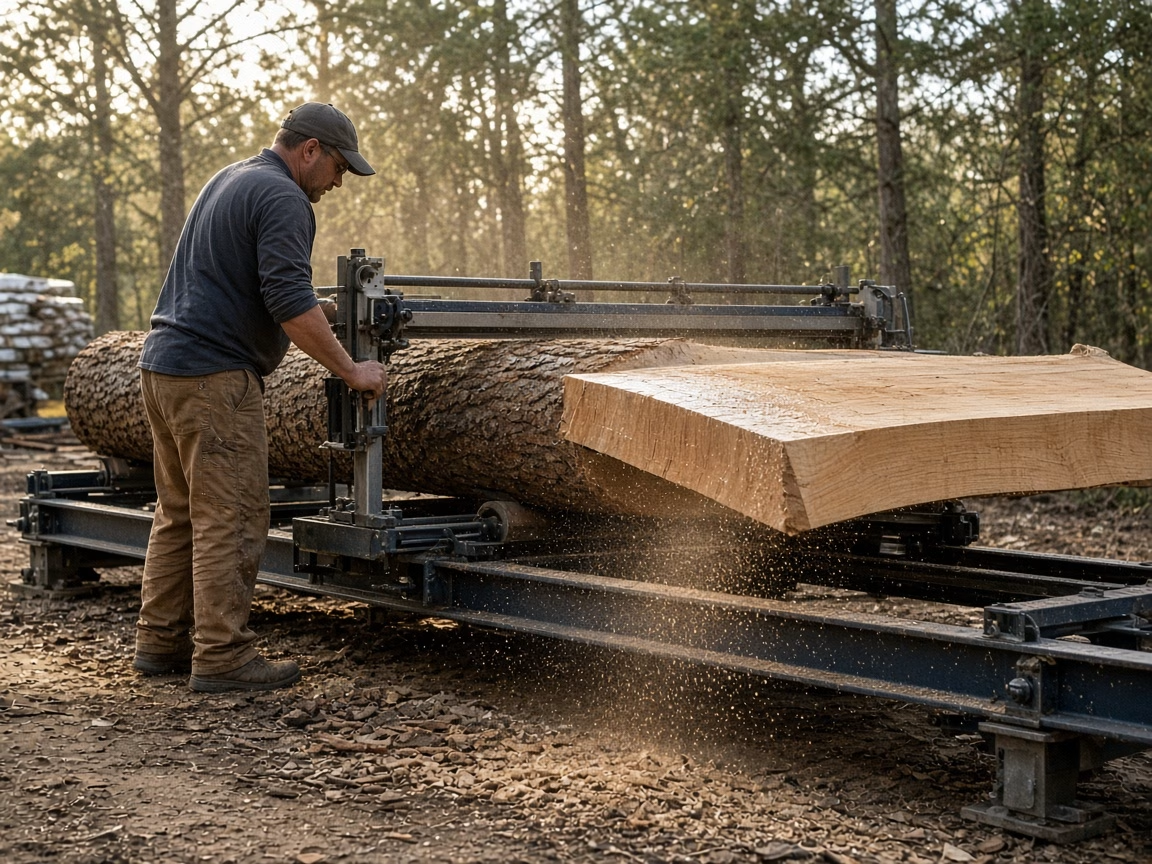
- Then we saw it to the thickness you want, including wide slabs when the log allows it.
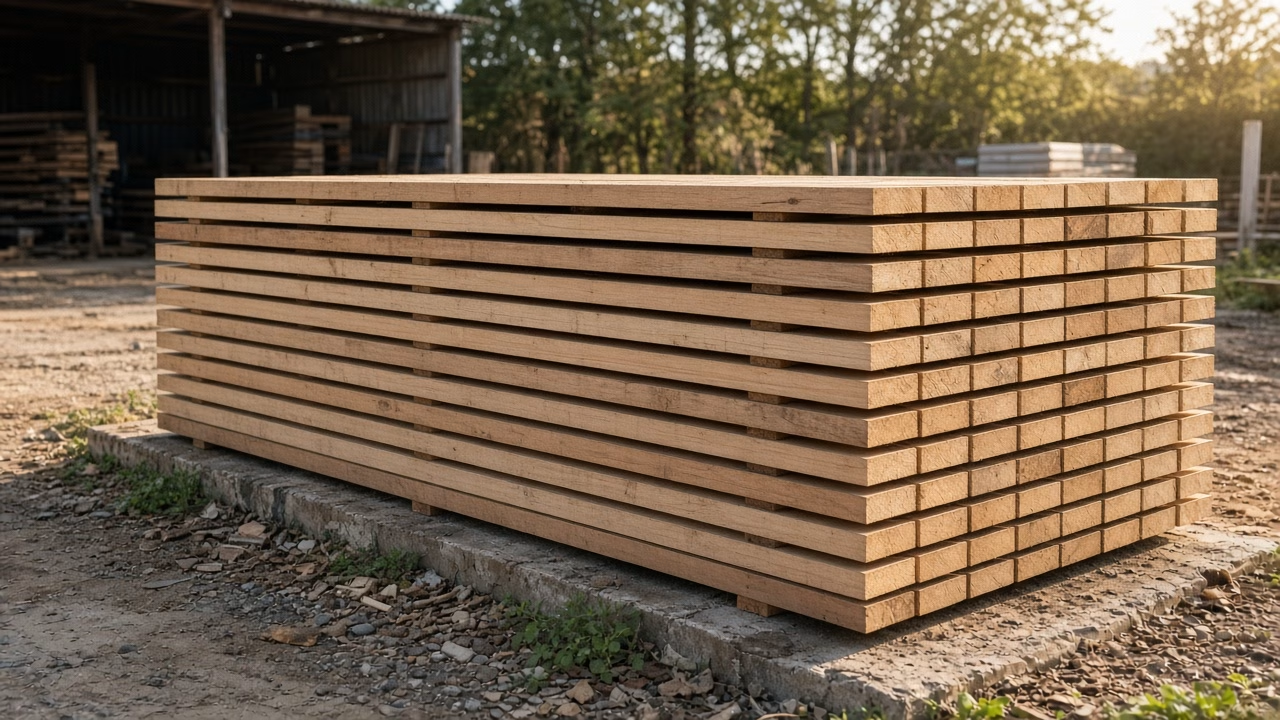
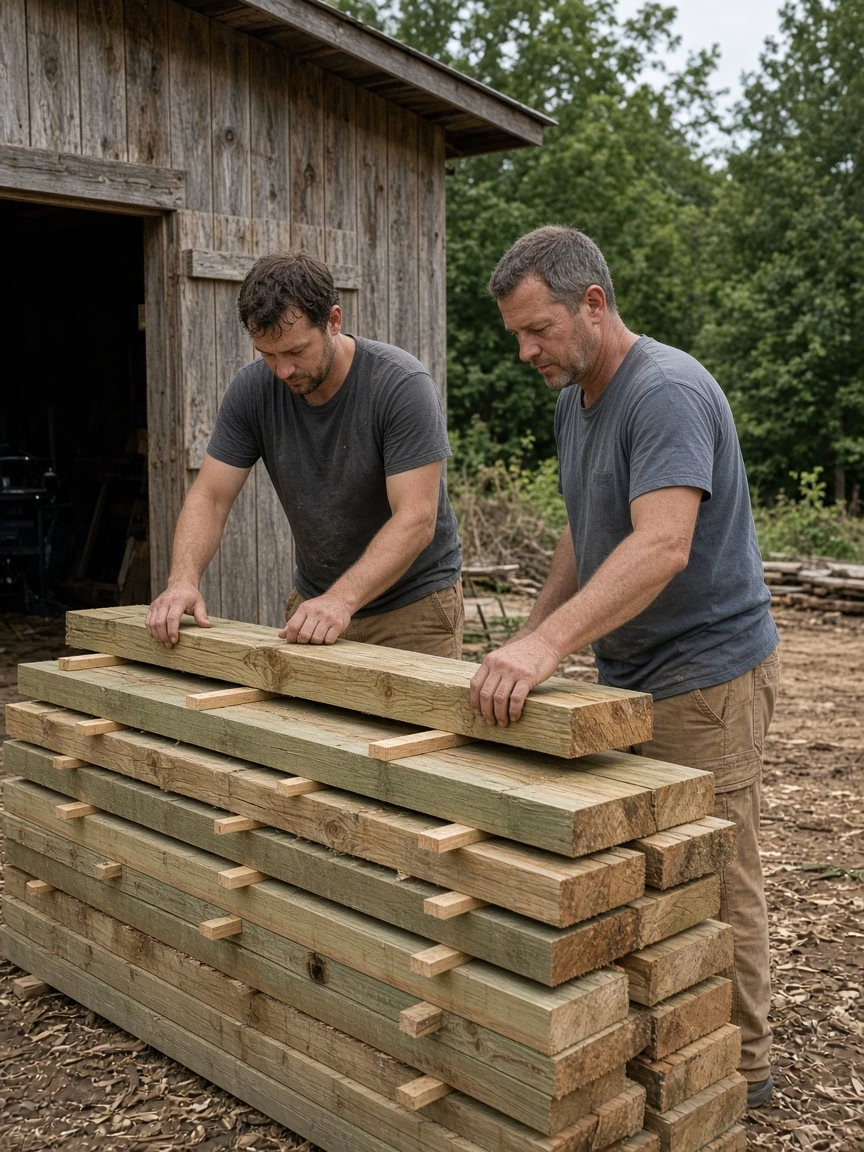
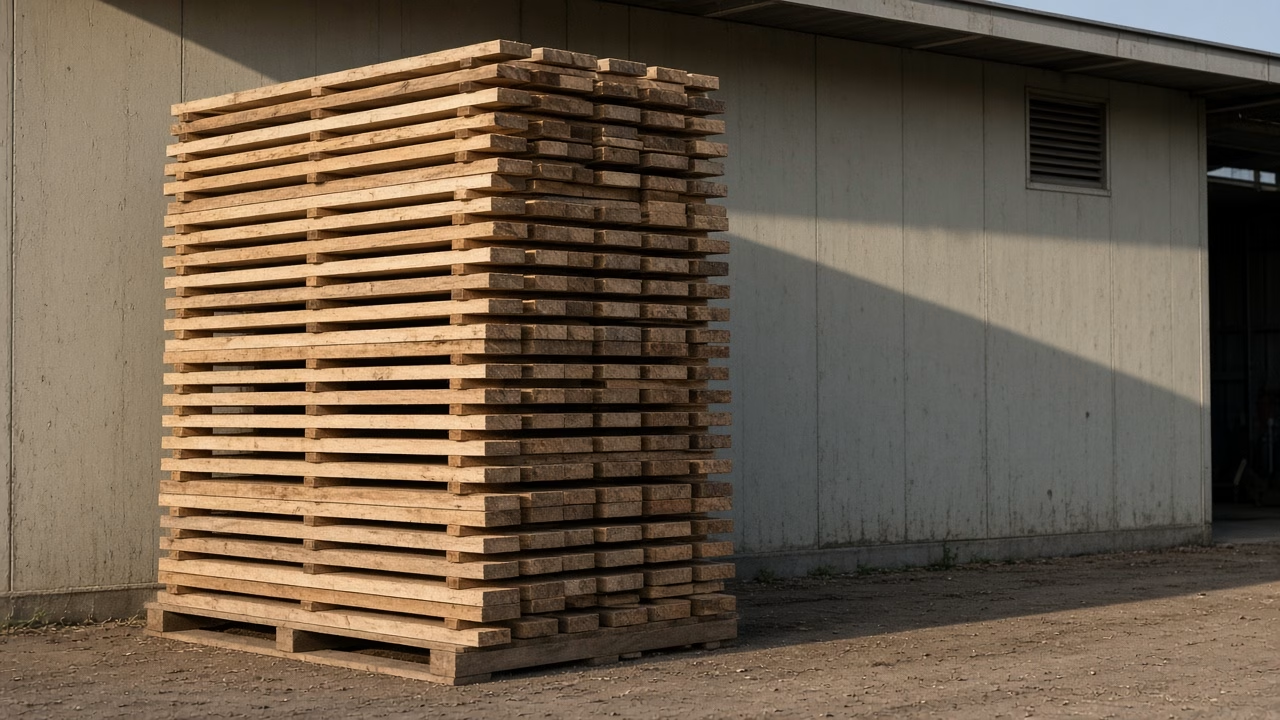
- After the cut, we sticker the boards so air can move through the pile.
- Kiln drying is a separate step, and it needs at least 500 board feet.
- When the moisture is right for the job, the lumber can leave.
Shaped by Nature. Finished by Hand.
Air Drying or the Kiln for Custom Log Milling in Stallings
Air-dried boards stay in our yard until the moisture comes down. They sit stickered, with weight on top, out of standing rain. Then we check the pile so the stickers stay lined up. A crooked sticker line can leave a wave in the board.
The kiln is the shorter path when you have enough footage. Our minimum for customer kiln drying is 500 board feet. Under that, the load does not make a kiln run. So a small pile stays on the air-dry path. A furniture log with enough board feet can go in the kiln and reach indoor moisture sooner. For example, two-inch oak needs more time on the sticks than one-inch pine.
A Resource for Ideas of Every Size
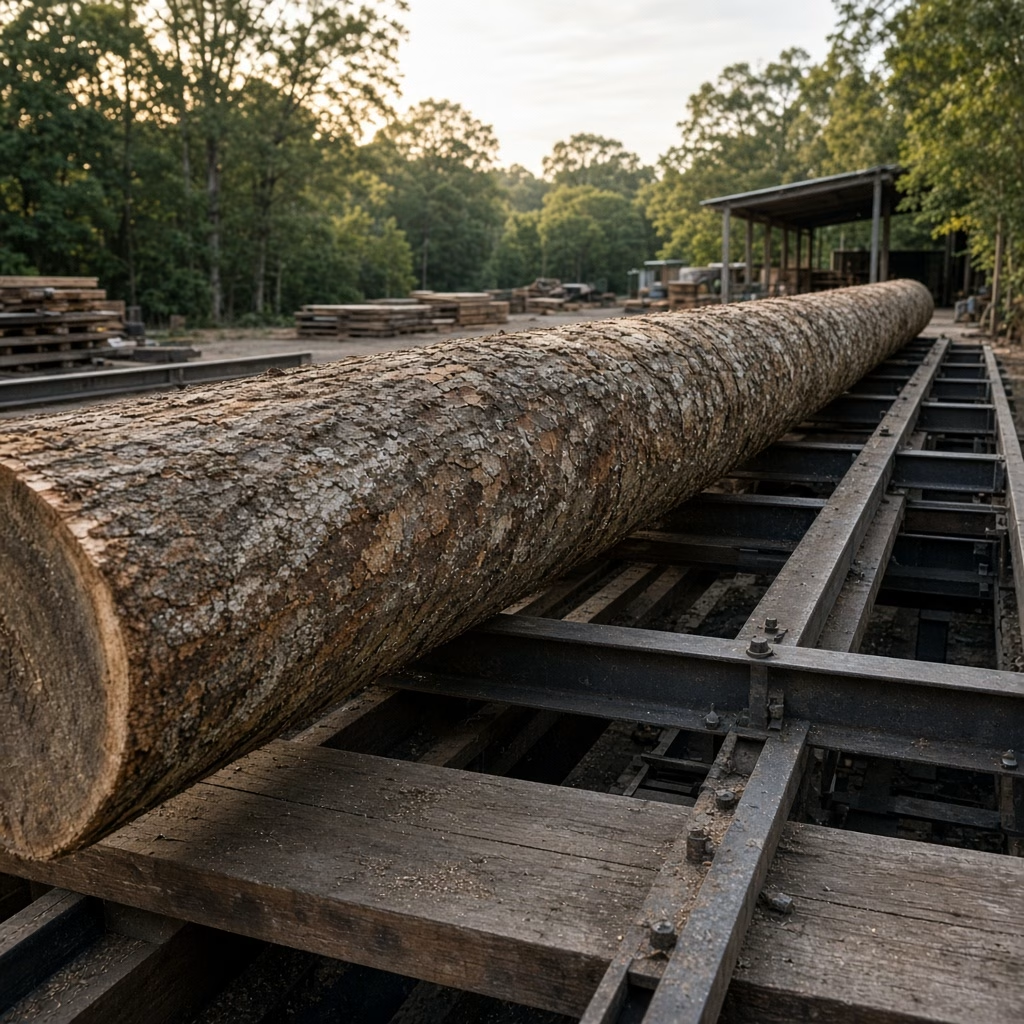
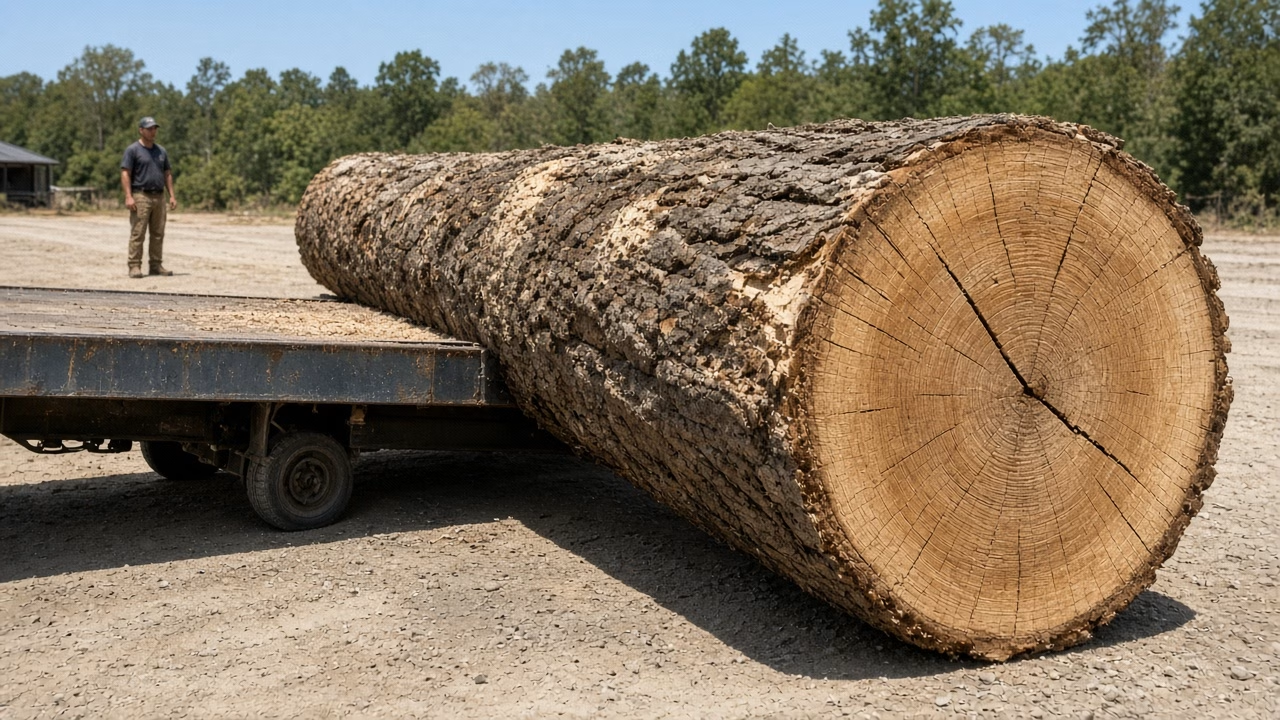
But mill time for a log from Stallings is usually the short piece of the job. After the log is in the yard, we need a clear day on the saw. Then we can open it and work down the cant. Our Lucas Mill handles oversized logs. It can produce slabs up to six feet wide. A very large log, or one with metal in it, takes longer on the deck. Because we have stopped a cut to pull nails before, that kind of log adds shop time.
A log has to get from your place in Stallings to the mill before we can saw it. Custom Log Milling in Stallings puts mill time and drying time on different clocks. An install date has to sit after the drying. So you still have the drying wait after we saw.
More to Discover Around Every Corner
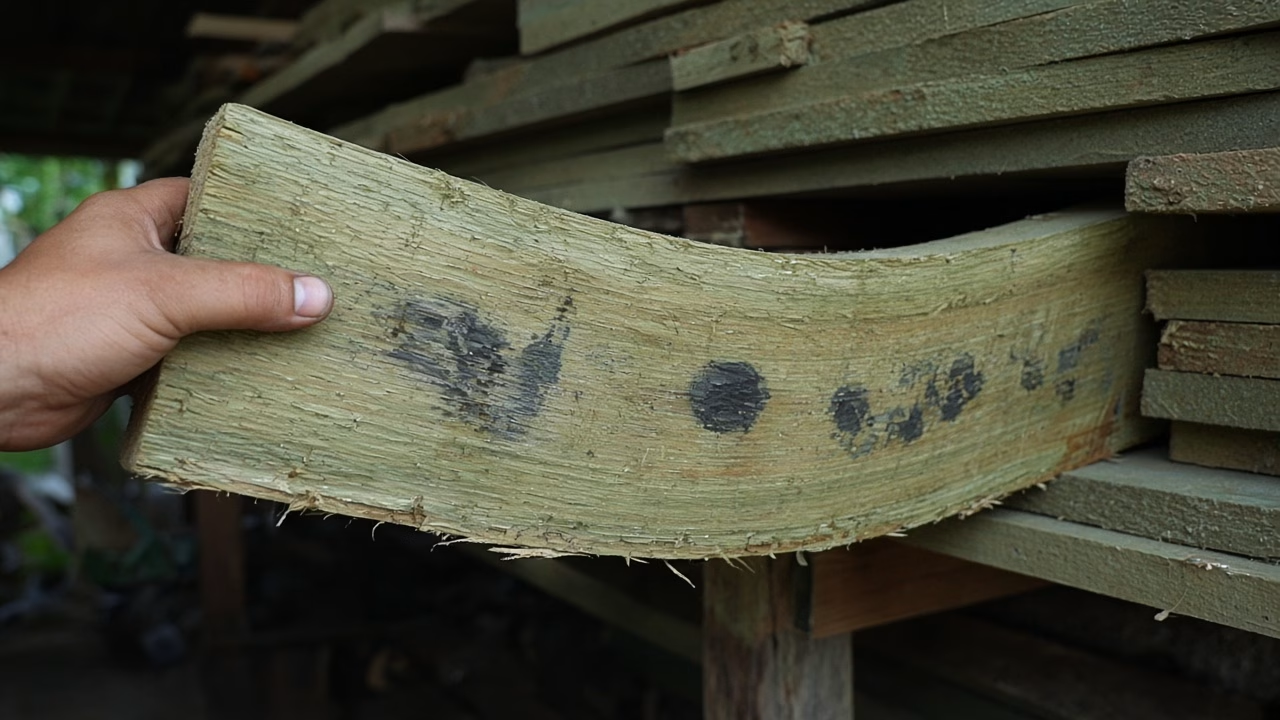
After a humid stretch, we look for mold on the sticker lines and for boards that have cupped. A damp pile with no air path will do that. We have restacked piles that were tight on the edges. The edges stayed wet and stained where the pile had no air.
When someone fastens green boards into a house too soon, those boards move. People have called after a green slab opened a gap at the wall once the cooling ran. That movement is why we talk about drying before we talk about shop-built tables and mantels.
See What We’ve Been Creating
So cost follows the log. Diameter and length change the saw time. Rot and hidden metal add waste and handling. A sound log can give a wide slab in a few passes. Rot pockets mean we work around the bad wood and lose more of the log.
Then drying adds its own line on the quote. Air drying is yard time. Kiln drying is a separate service, and we only run it at the 500-board-foot minimum. We write quotes out line by line so you can see each charge. Because no two logs come in the same, we price Custom Log Milling in Stallings from the log in front of us.
Planning an Outdoor Project?
Getting Logs Ready for Custom Log Milling in Stallings
Stallings, North Carolina is in the Charlotte metro, which is the area we work around. People can bring qualifying customer-owned logs to the mill. But a full-length trunk needs a real trailer. A log full of fence wire is a problem we would rather hear about before it hits the blade.
When part of the tree will not make lumber, we can still talk about firewood. We cut mixed hardwood firewood through the year, in bundles and in larger loads. That talk stays a side conversation at the yard. But the boards you came for are still the main job. The milling itself is what we cover on our page for our custom log milling work.
People have called after a door rubbed through a humid month and then eased when the house dried out. Some calls were about a top that cupped because the underside stayed wetter than the show face. We have also seen sticker stain on oak that sat in a tight pile through a wet spell.
So those calls were about moisture that was still moving. Custom Log Milling in Stallings has to leave room for that movement before anyone fastens the wood down. When the boards match the room, they still move a little with the seasons.


Come See What’s Taking Root
If you are planning interior woodwork, ask what moisture we are aiming for before the wood leaves. Then ask whether your footage can fill a kiln load. A single slab for a table can air dry. A house worth of one-inch boards is a different pile. It may be worth the kiln if you clear 500 board feet.
So bring the log’s length and the big-end diameter if you have them. Tell us the thickness you want and whether any of it is for outdoor use. Exterior pieces can live at a higher moisture than a floor inside a cooled room. We also keep rough-sawn lumber and slabs in inventory, already further along in drying. When a green log’s timeline will not meet your build, that stock is the other option.