
About Rustic Roots Warehouse
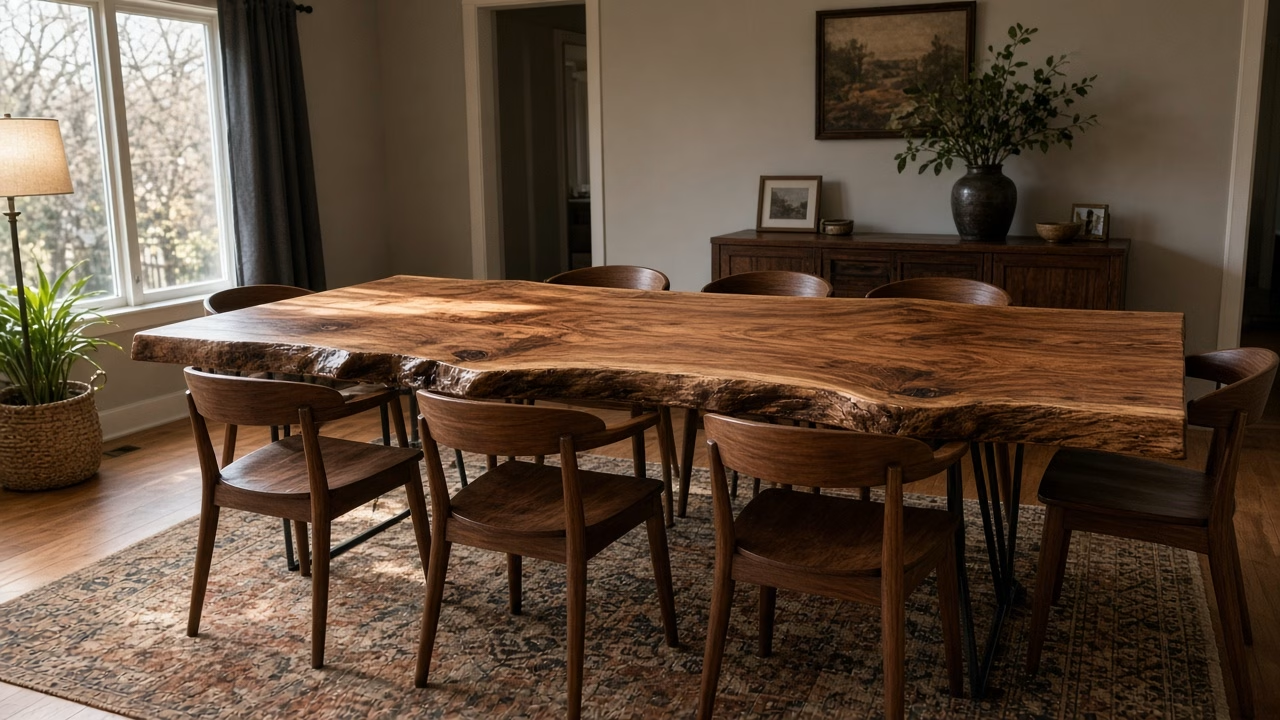
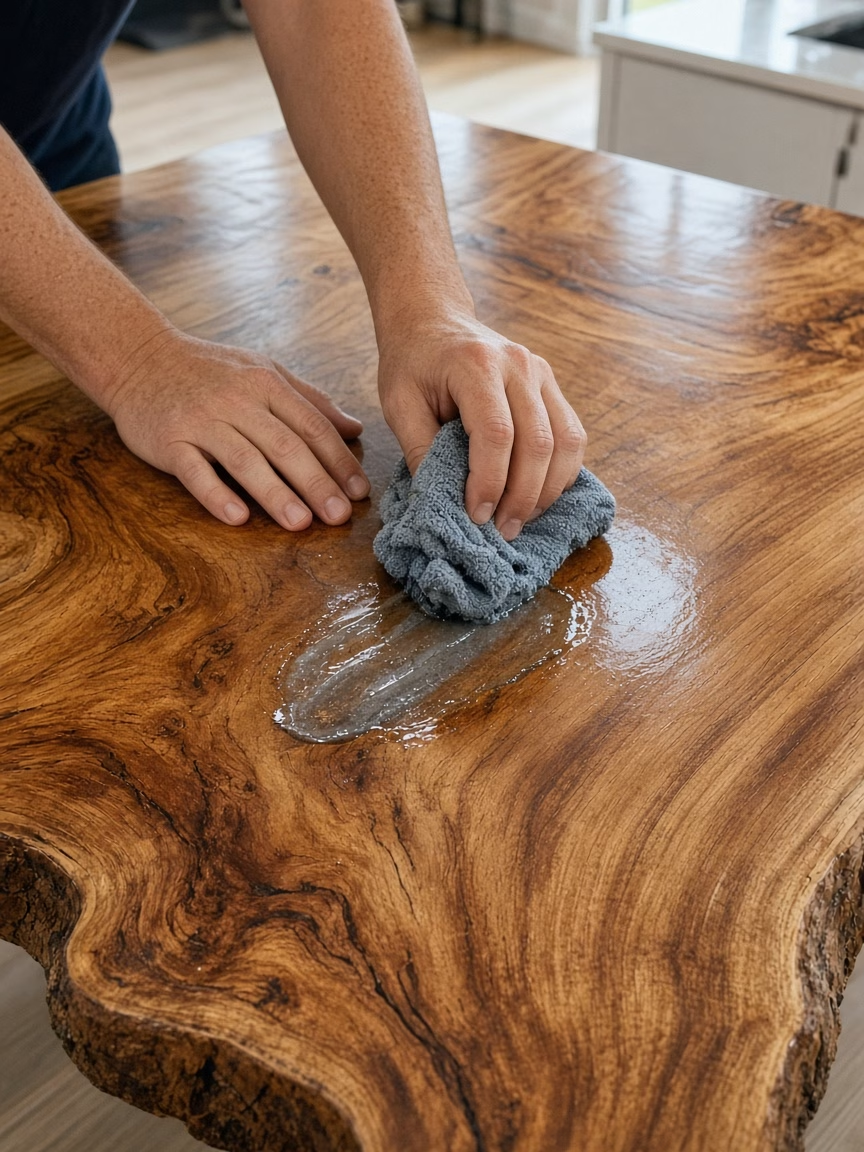
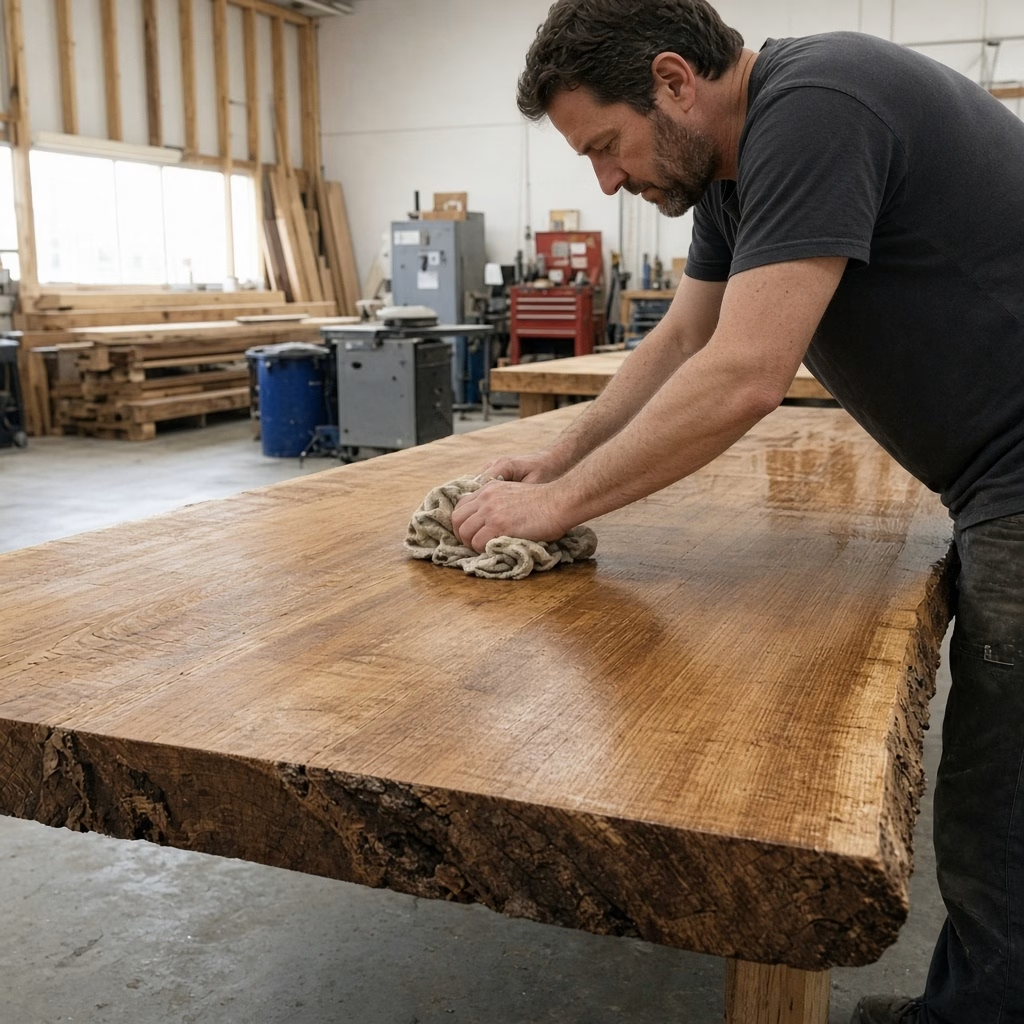
When the first long heat spell hits, care matters most for a wide top. Live Edge Slabs in Rock Hill swell in humid summers and shrink in heated rooms. So look after them with a short routine. Wipe spills the same day. Keep the room from swinging hard between damp and dry. Refresh the finish when water stops beading.
Always Growing. Always Creating.
Live Edge Slabs in Rock Hill After Humid Weeks
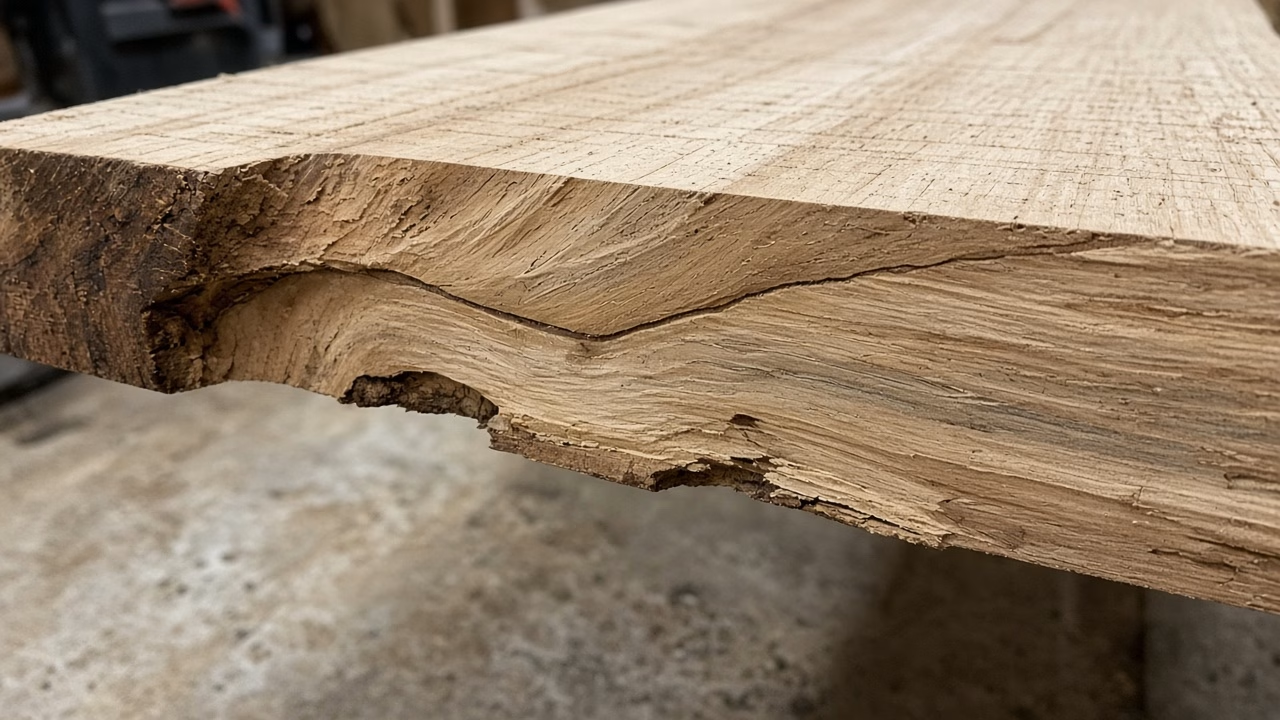
Wood takes on moisture across the grain. When the air stays humid, a wide top grows in width. Length barely changes. So a six-foot slab can move more than a narrow board from the same log. In Rock Hill that shows up after muggy weeks. We’ve seen a top press against a wall once the house stayed closed and damp.
Where the Work Begins
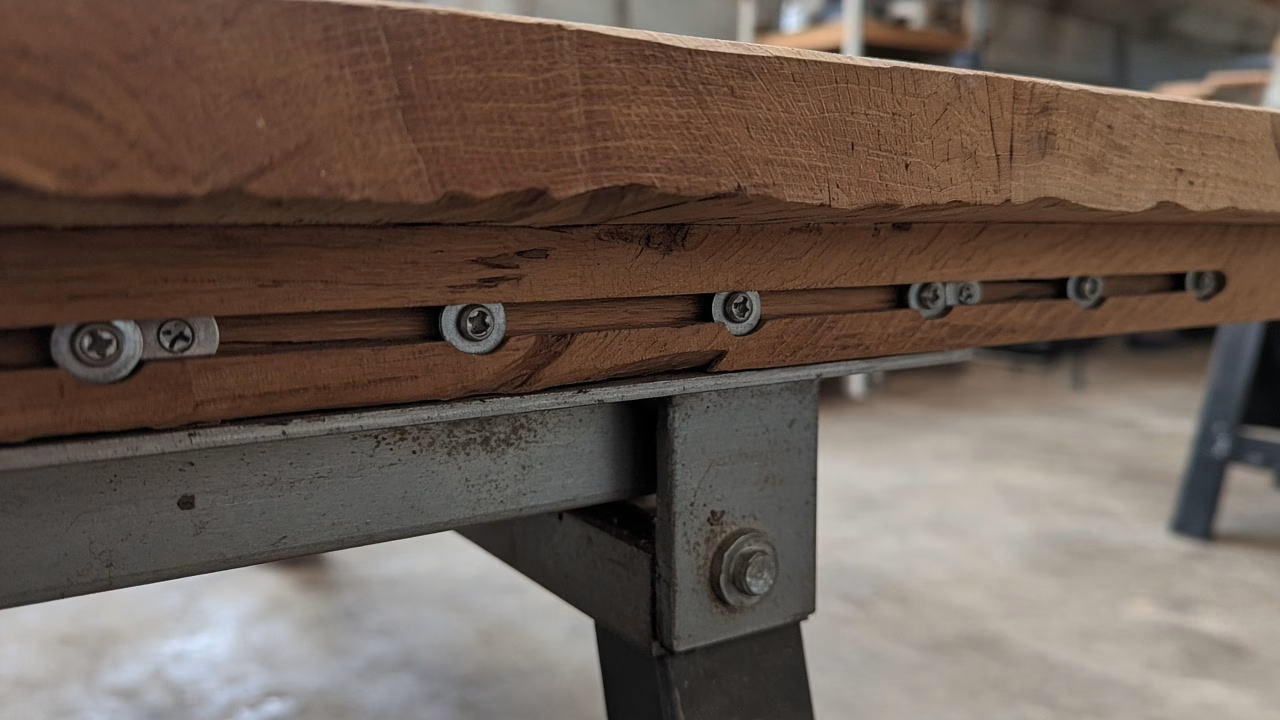
When a top starts to rock, we look for what changed. After that, wipe standing water and move a wet plant off the slab. Then check for a floor vent under the top. Afternoon sun on one edge dries that side faster. We’ve pulled tops off bases where every screw sat tight in a round hole. After a dry winter, that top had nowhere to shrink.
Shaped by Nature. Finished by Hand.
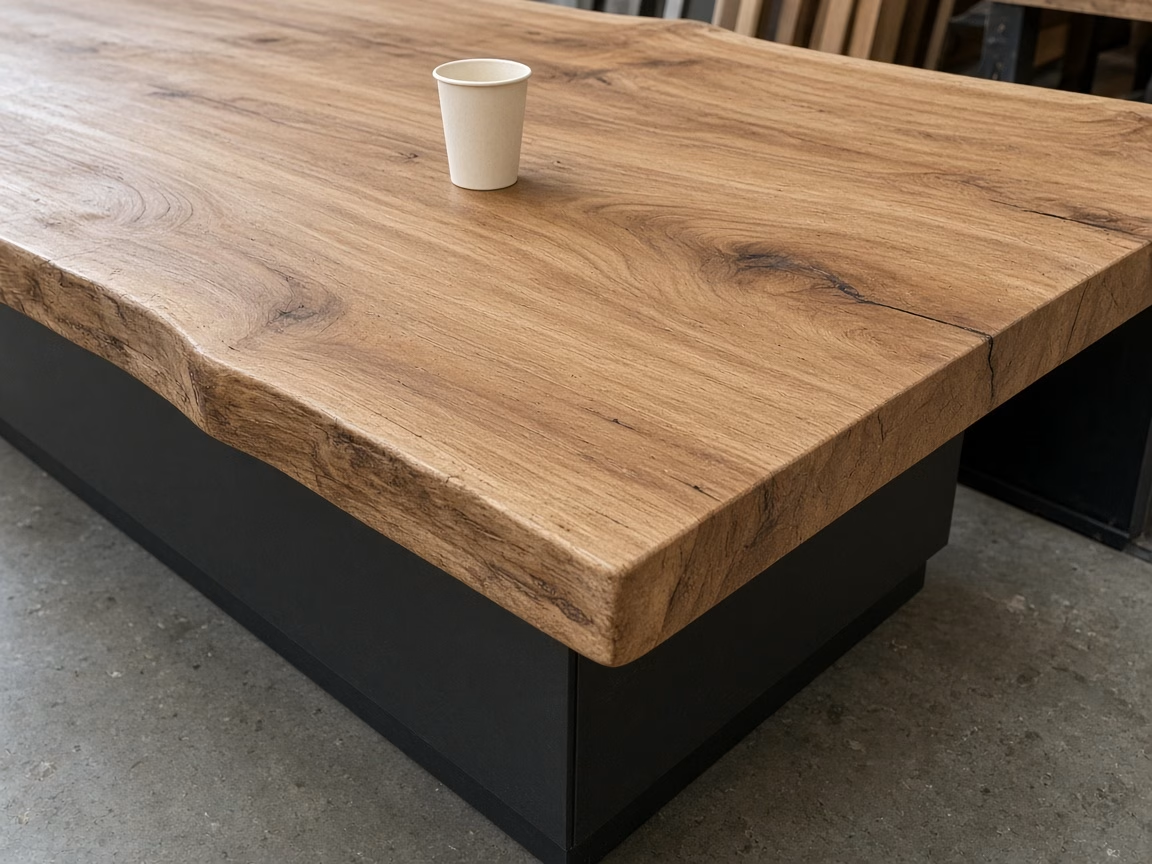
Finish choice changes the care you do at home. A varnish film sheds a short spill. An oil or a wax looks dull when it needs another coat. When water soaks in instead of beading, it’s ready for another coat. Epoxy in a void is harder. A hot pan can still mark it. So use a trivet. You can choose from the finishes we keep, and epoxy if a void needs filling.
A Resource for Ideas of Every Size
Shop Visits for Live Edge Slabs in Rock Hill, South Carolina
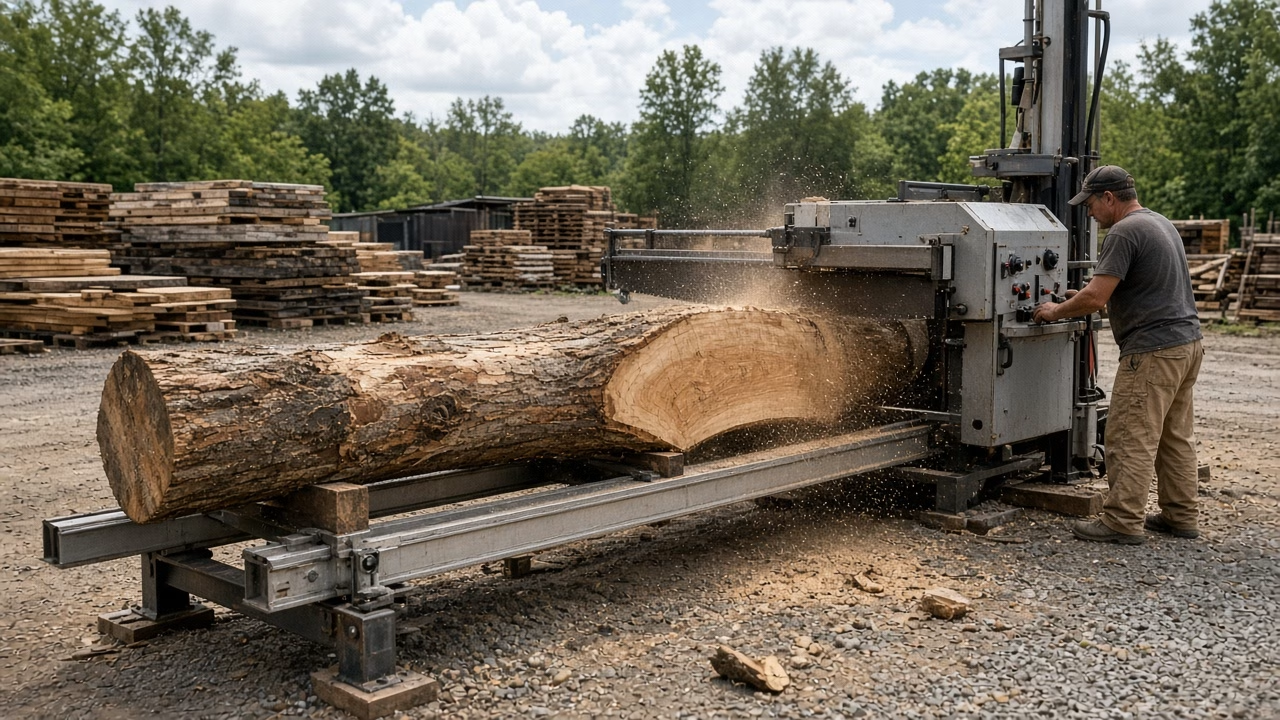
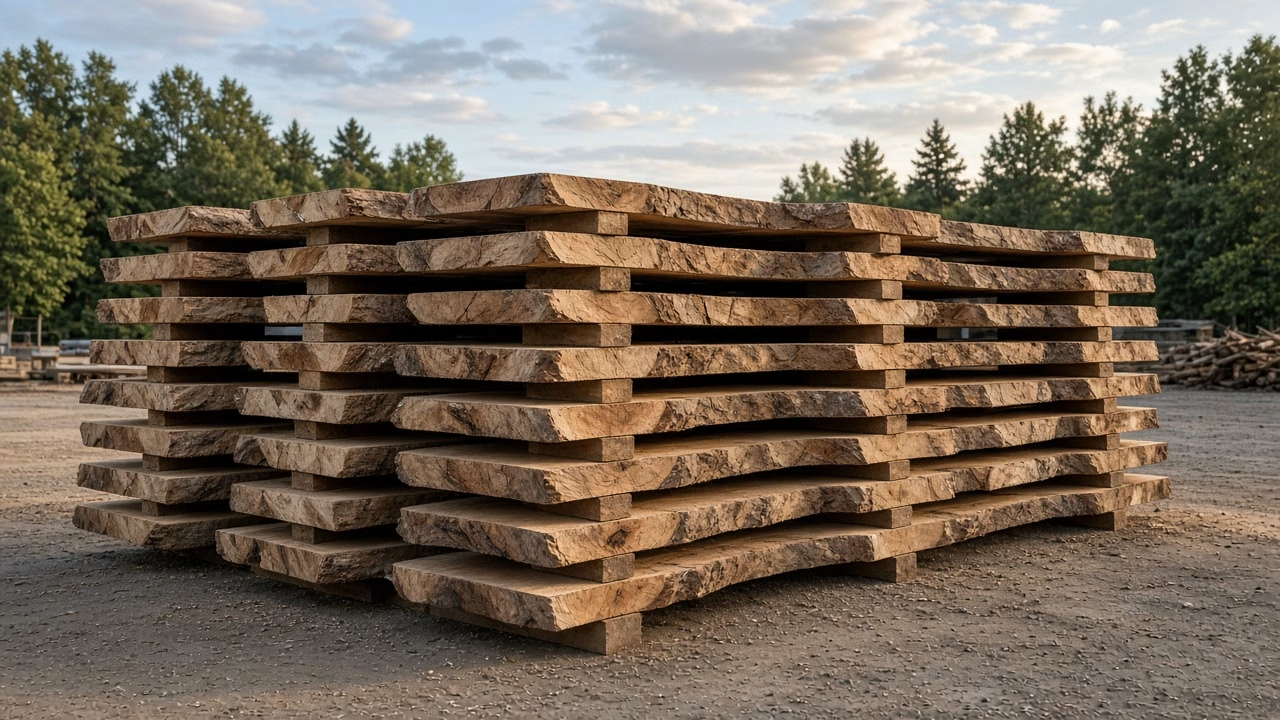
A wipe-down at home takes an evening. A crowned top can mean a shop visit. In Rock Hill we check the base and the finish. Because we dry stock in the air and in our kiln, that first big moisture change happens here. The kiln takes a 500-board-foot minimum. So one tabletop comes from inventory. We mill our own logs, and we take customer logs that qualify.
More to Discover Around Every Corner
After a run of humid weeks, look for rub marks where the top meets a wall. A damp cloth left on the slab wets that corner more than the rest. So don’t leave it overnight. In cold months, a vent under the table dries the underside. People have called us about Live Edge Slabs in Rock Hill after a cupped top.
See What We’ve Been Creating
In some older houses, an upstairs room tracks the outdoor air more closely. But newer houses can run drier while the cooling is on. We ask where the slab will sit before we finish it. After you get it home, placement still matters. Keep it out of a muggy garage before it goes into a cool room. The page for the live edge slabs we build covers tables and milling.
Planning an Outdoor Project?
Porch Pieces and Live Edge Slabs in Rock Hill
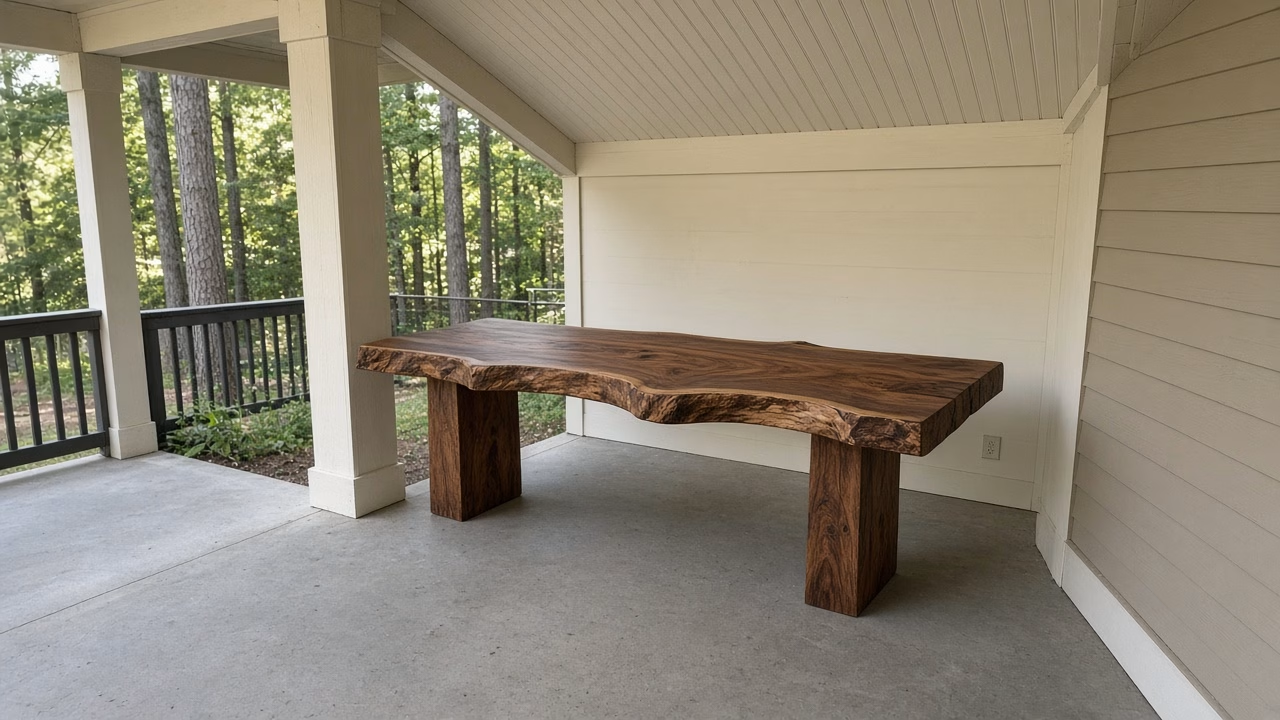
On a Rock Hill porch, the air stays damp. Dew can sit on the wood in the morning, on a screened porch or a covered entry. We build mantels and other pieces for exterior use. Rain will stand on a flat slab. So we ask about a solid cover before a live edge piece goes outside.
People have called about a bench that rubbed a wall through a hot spell. The rub eased after the air dried. Some calls were about a cupped top. Others were about a finish that opened along the grain. We look at the room first. Then we check the fasteners. A crack from a top that could not shrink needs shop time.


Come See What’s Taking Root
If you’re choosing a new piece, ask how that species moves in damp air. Then look at slabs on hand before you decide. Our Lucas mill cuts slabs up to six feet wide. We also saw lumber from our logs and from qualifying customer logs. After the slab is home, check it when the heat comes on. Check again once the air conditioner has been running.