About Rustic Roots Warehouse
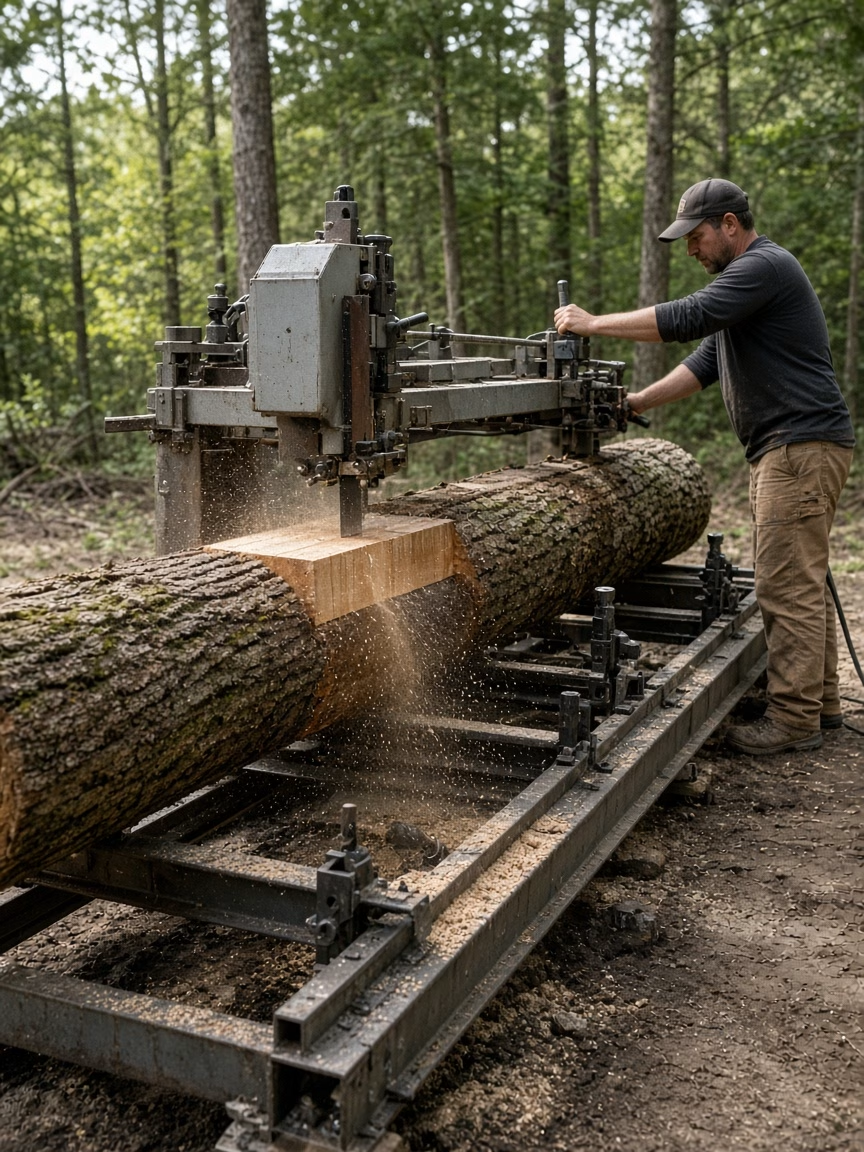
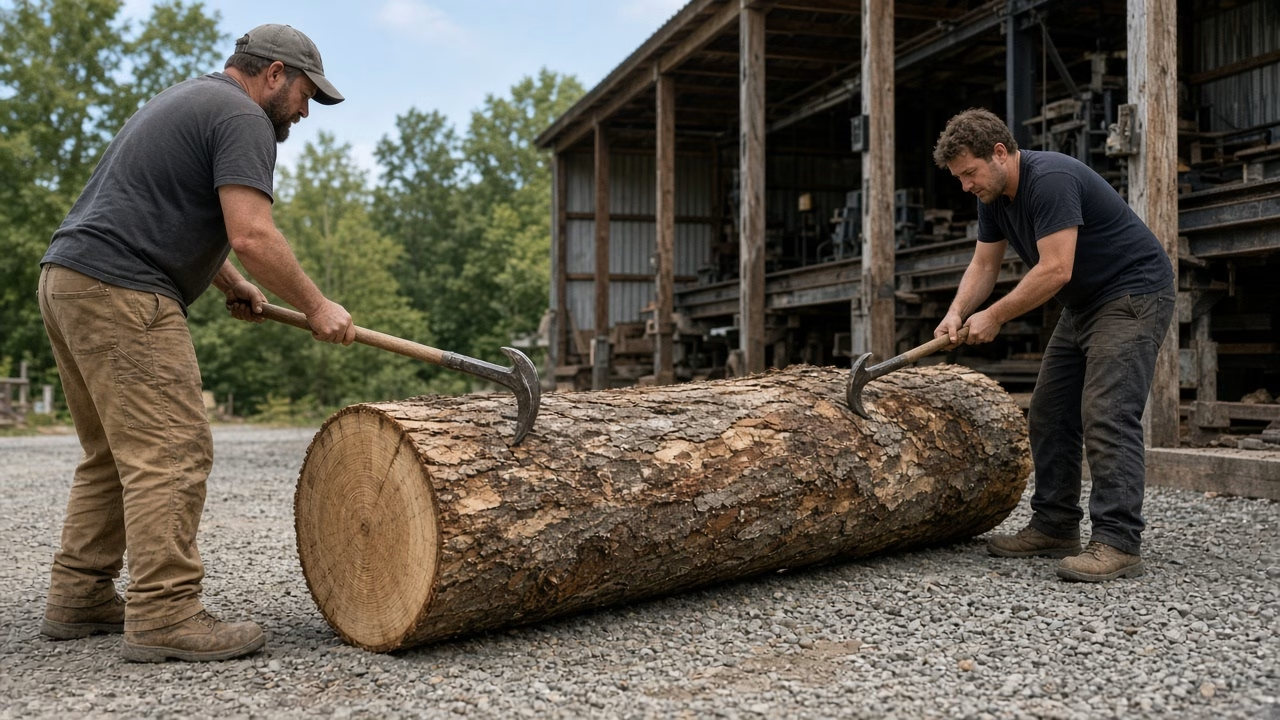
Custom Log Milling in Matthews turns a yard log into lumber. We saw it into boards or slabs, then dry that wood for use. We take qualifying customer-owned logs and cut them on our mill.
But we mill when the log is sound and we can dry the lumber for this climate. Lots around Matthews often hold oak, poplar, or pine. So we start with the log in front of us. After we know it’s solid, the sawing can start.
Always Growing. Always Creating.
The water in a fresh log is the next problem after the saw. When that water leaves, the piece shrinks across the width, and length barely changes. A wide board moves more than a narrow one.
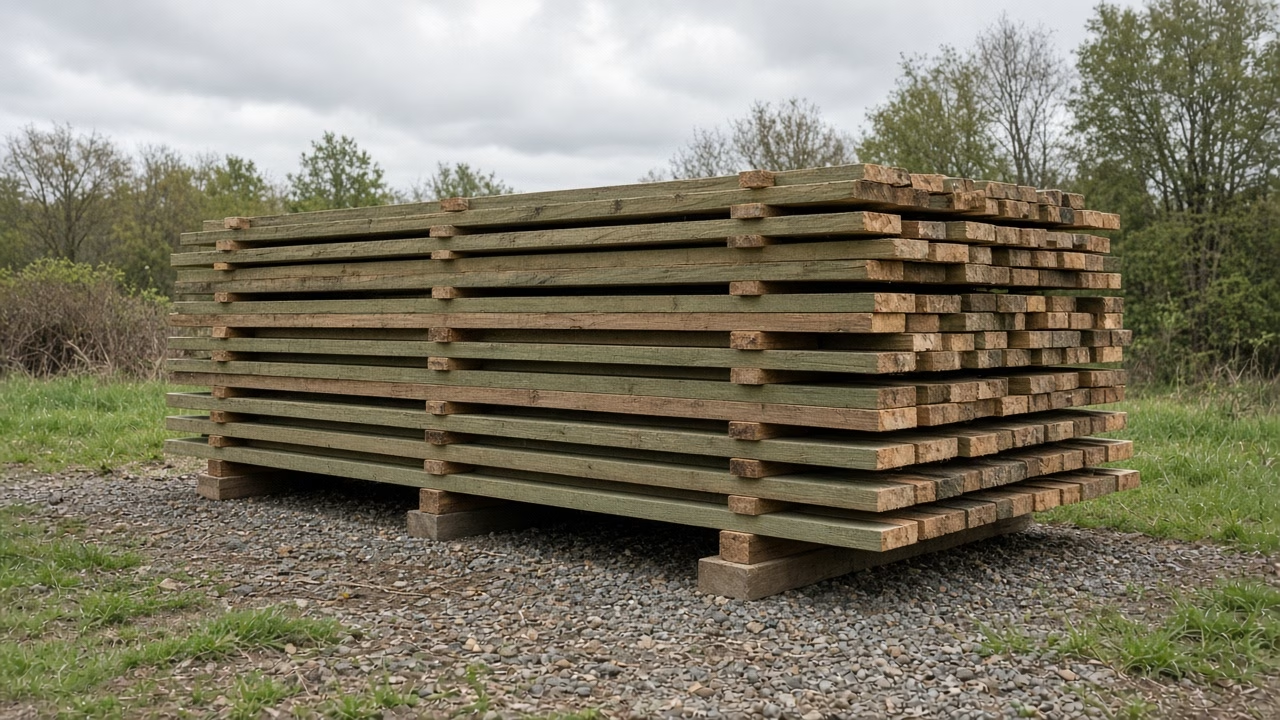
In Matthews, humid weeks stack up through the warm months. Because outdoor air stays damp, a stickered pile may stop drying before it suits a cooled room. Then we sort air drying against a kiln run for that load. The lumber holds size better indoors once the moisture drops.
Where the Work Begins
How Custom Log Milling in Matthews Moves From Log to Boards
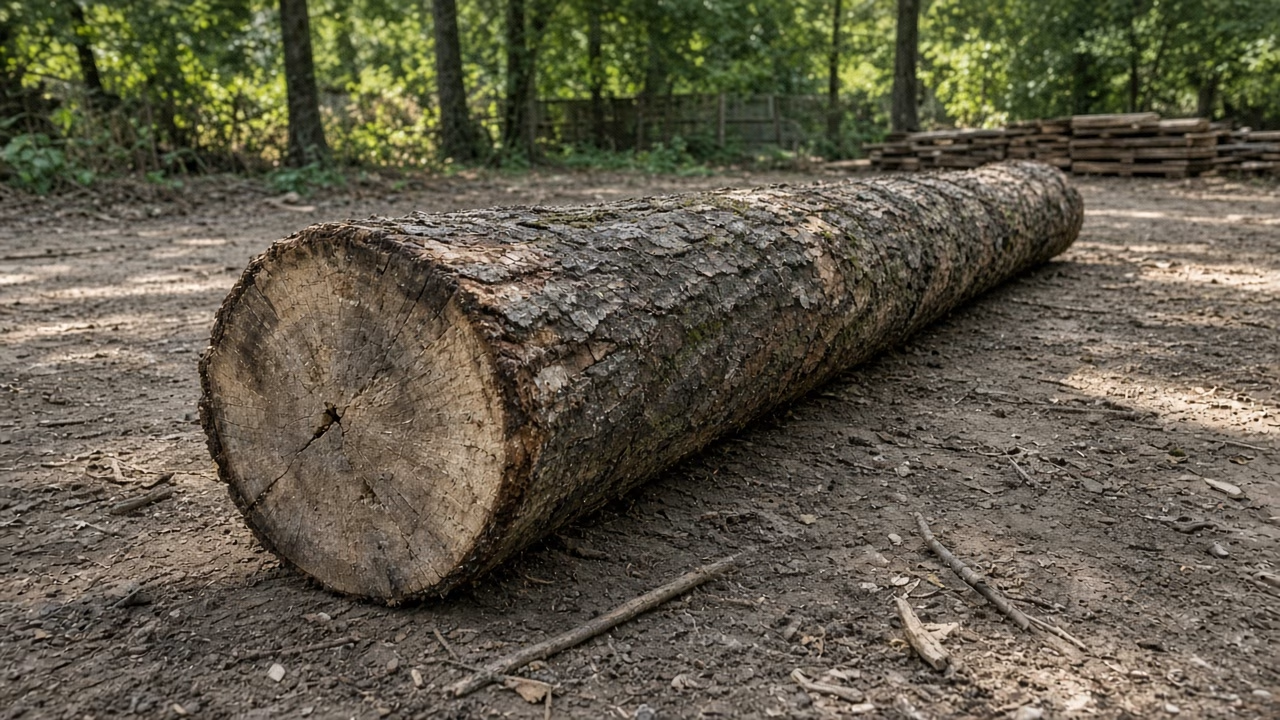
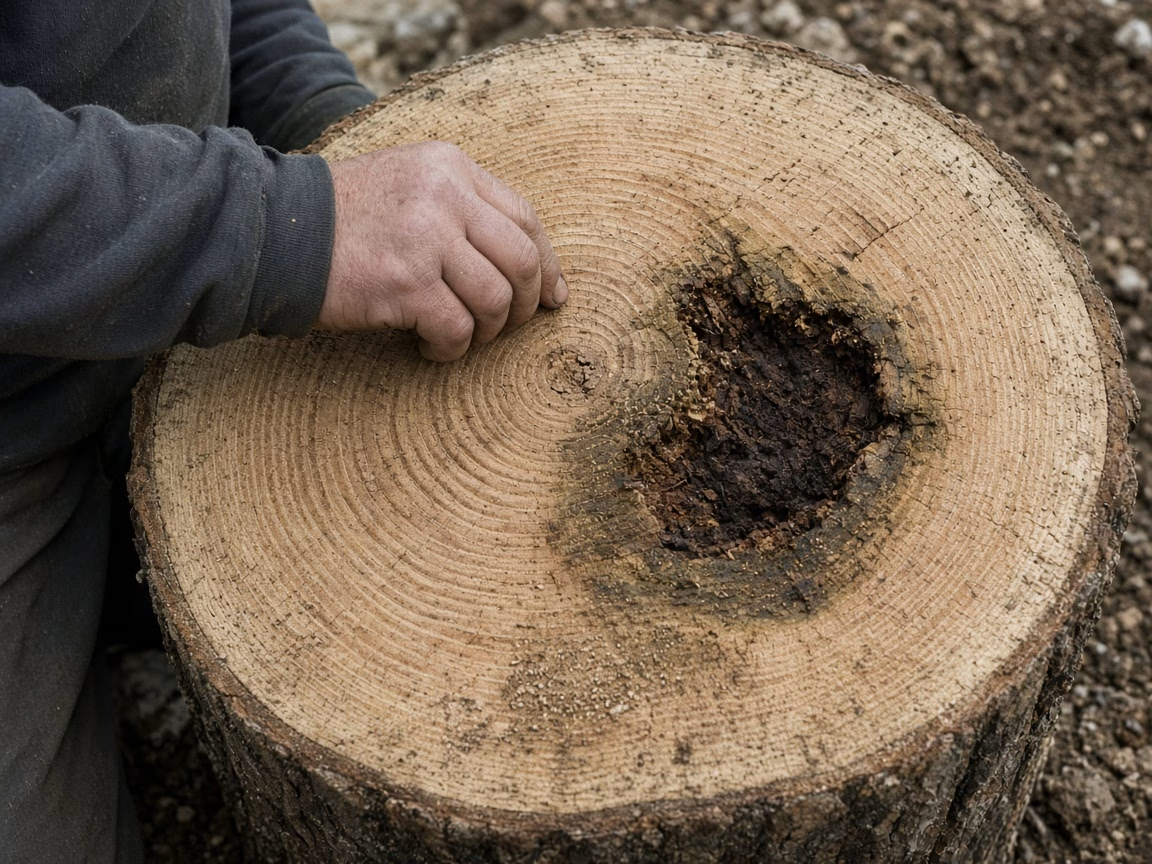
We look the log over at the mill before the first cut. Deep rot or a hollow center can cut the yield. Buried nails and old wire can wreck a blade, so we watch for those before the first pass.
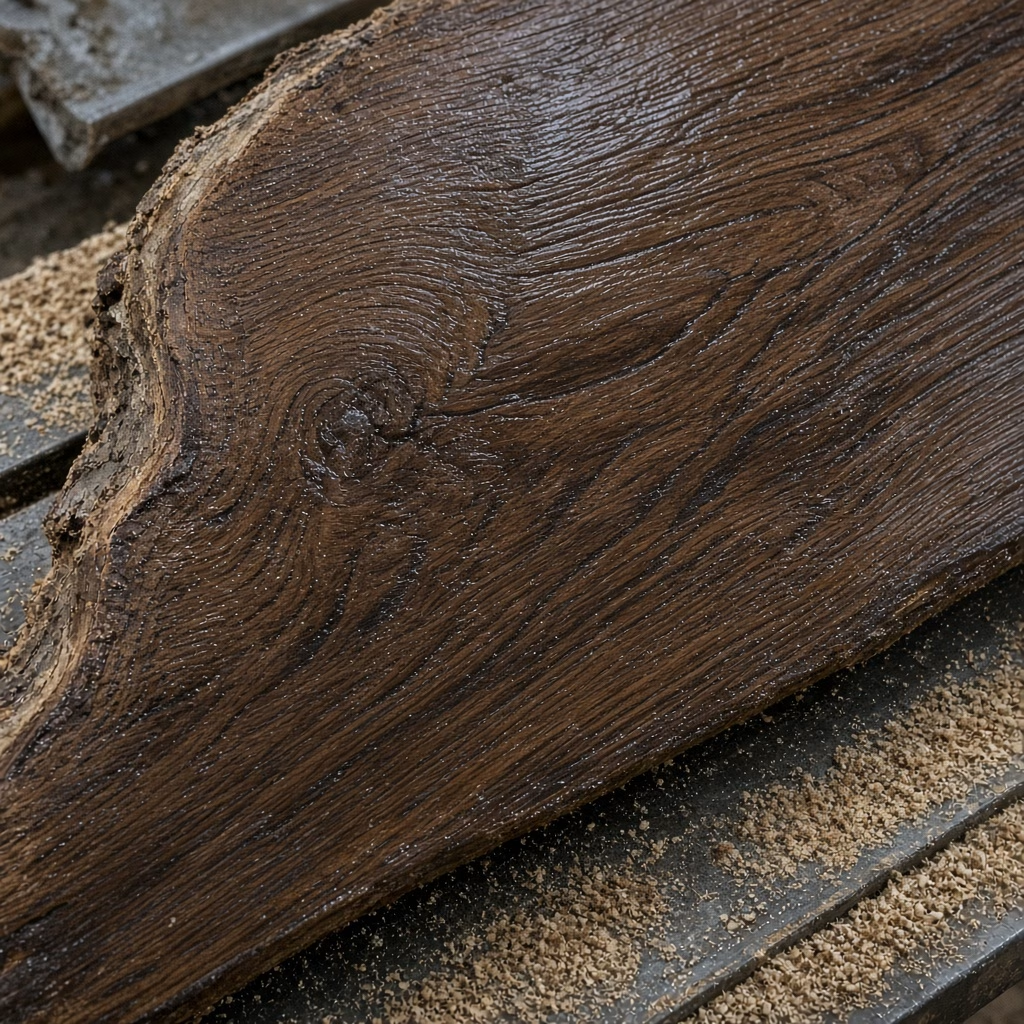
Our mill handles oversized logs and slabs up to six feet wide. Then we saw the thicknesses you asked for. After the opening cut, we can see the grain and adjust. For example, a crotch or a bad knot may send us to shorter boards.
Shaped by Nature. Finished by Hand.
Oak from these lots is often heavy, and poplar is usually lighter to saw. Because pine can carry pitch, it shows up on the blade. Common boards suit shelving and similar straight stock.
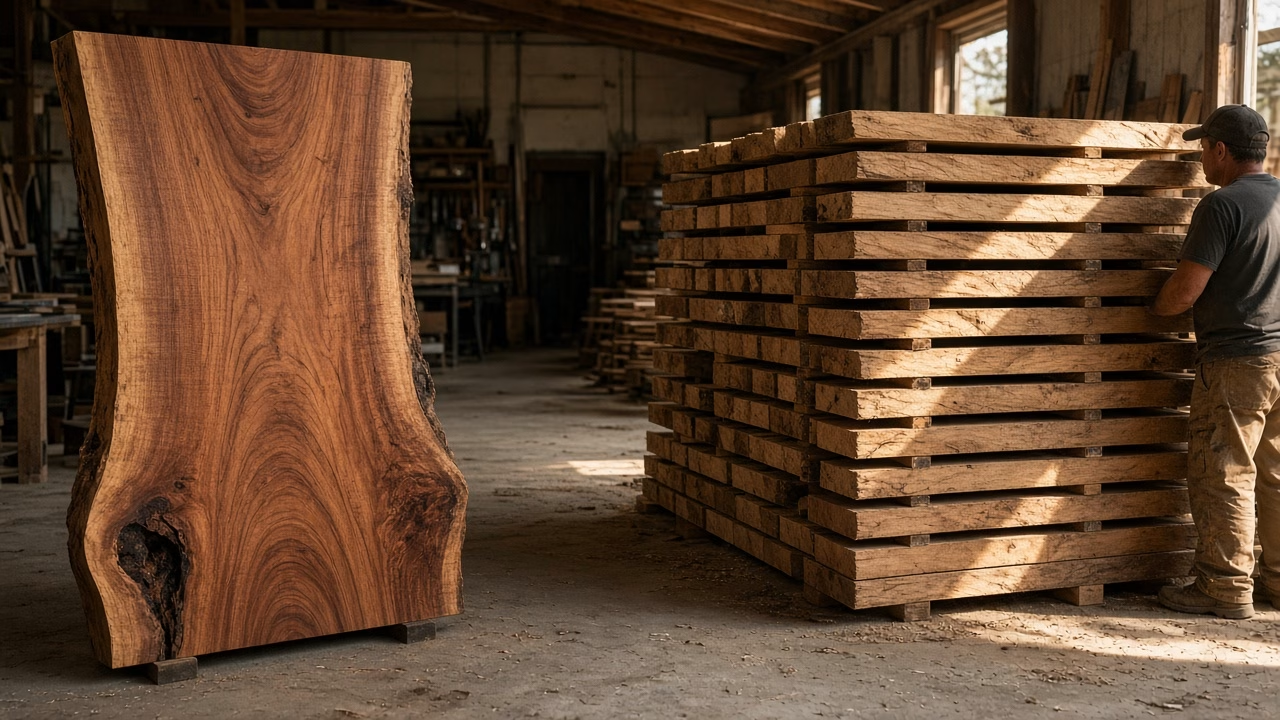
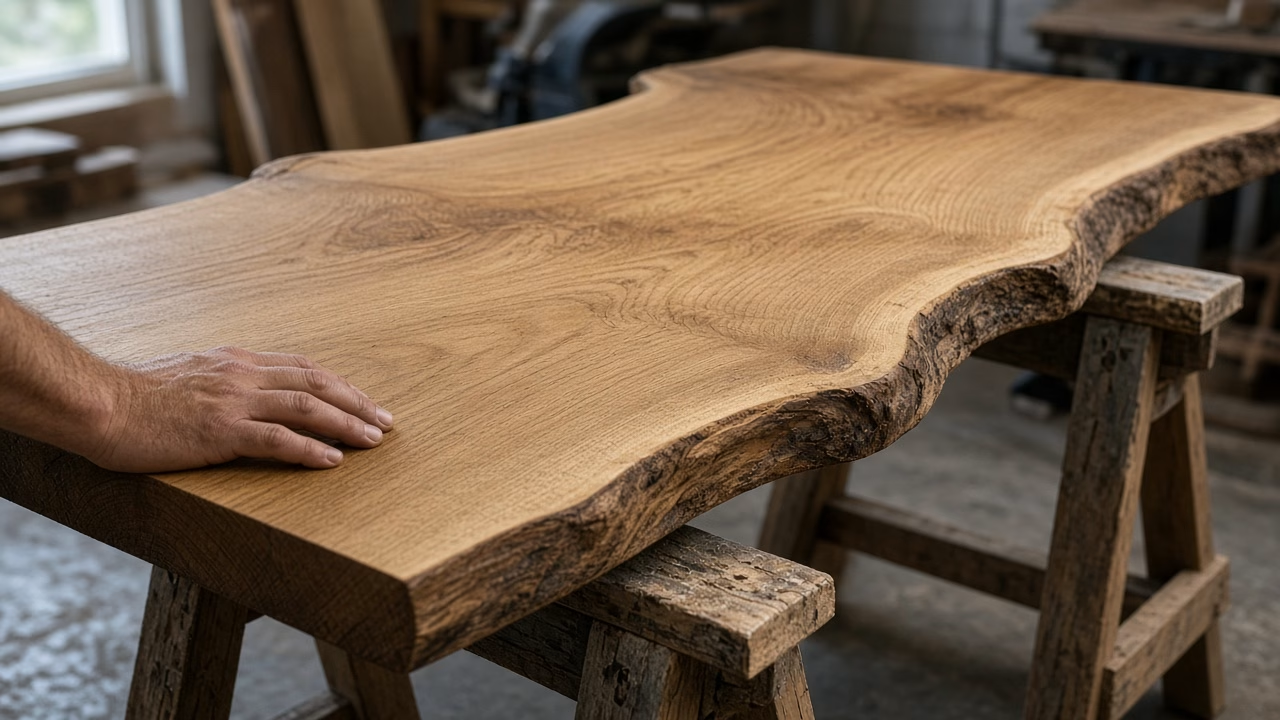
A live-edge slab needs a wide, sound section of trunk. For example, a six-foot slab only comes off a log that wide. We keep rough-sawn lumber and slabs in inventory when a yard log falls short.
A Resource for Ideas of Every Size
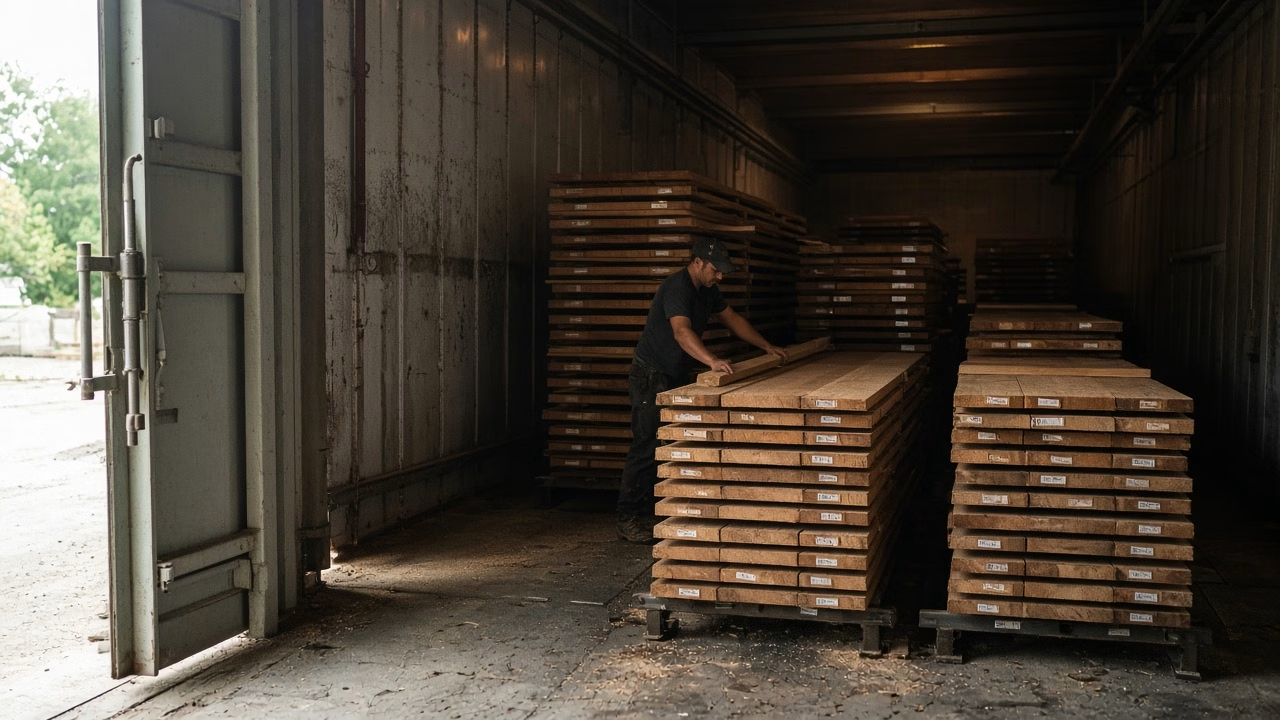
The sawing can finish in a shop day. Drying still has to happen after that, and it takes longer. We air-dry material, and we kiln-dry loads that meet the minimum.
Our kiln takes 500 board feet at the least. So one small yard log may not fill a run by itself. In Matthews, cooled rooms still sit against humid outdoor air. Drying sets the wait on Custom Log Milling in Matthews. After we know the thickness and the species, we set that plan.
More to Discover Around Every Corner
Questions People Ask on Custom Log Milling in Matthews
Will Custom Log Milling in Matthews take a yard oak?
Often, yes, if the log is sound and it qualifies. We have turned down logs too rotten to hold a board. When the wood is mostly solid, oak and poplar from a lot are common. So species alone doesn’t put a log on the mill.
How does drying fit Custom Log Milling in Matthews?
Ask whether the load can go in the kiln or should air-dry first. A kiln run needs at least 500 board feet. After sawing, rough lumber still has to lose water before a finished room. We walk through that order once we have measured the log.
See What We’ve Been Creating
Saw time and waste both change with the log. A bigger sound log means more saw time and more lumber out of it. A hollow log means more waste in the pile. So the first look can change the whole job.
Slab cuts take more judgment than a run of common boards. Drying adds a step, and the kiln has that 500-board-foot floor. We write the job out line by line from the log we can see. After that, you can set a yard log next to lumber we already have dried.
Planning an Outdoor Project?
Using the Lumber From Custom Log Milling in Matthews
After the cut, you have rough-sawn lumber or slabs. They may still be green. You leave with sawmill lumber from the cut, in board or slab form. You can keep those boards for your own build.
We also make custom tables and mantels from milled stock. A Matthews lot can hold a trunk big enough for a mantel. The log still has to be sound. When a log won’t qualify, dried boards from our inventory can still cover the work.
We have opened logs that looked fine under the bark and showed a hollow a few inches in. People have called about a yard pine with fence wire grown into the wood. After a hit like that, the useful boards drop off fast.
But a stickered stack lets air move between the courses. We have seen the bottom layer stain when a pile sat tight on the ground. So we sticker the stack and keep air under it once we are drying the load.


Come See What’s Taking Root
When you are deciding, look at the log before you picture the room. Measure the length and the diameter as best you can. Note any rot and any old nails. Also note how much of the trunk is still round.
Then ask how that species moves once it’s dry in humid air. Those notes tell us whether that log fits a custom milling job. Lumber and slabs from our inventory cover that case.