
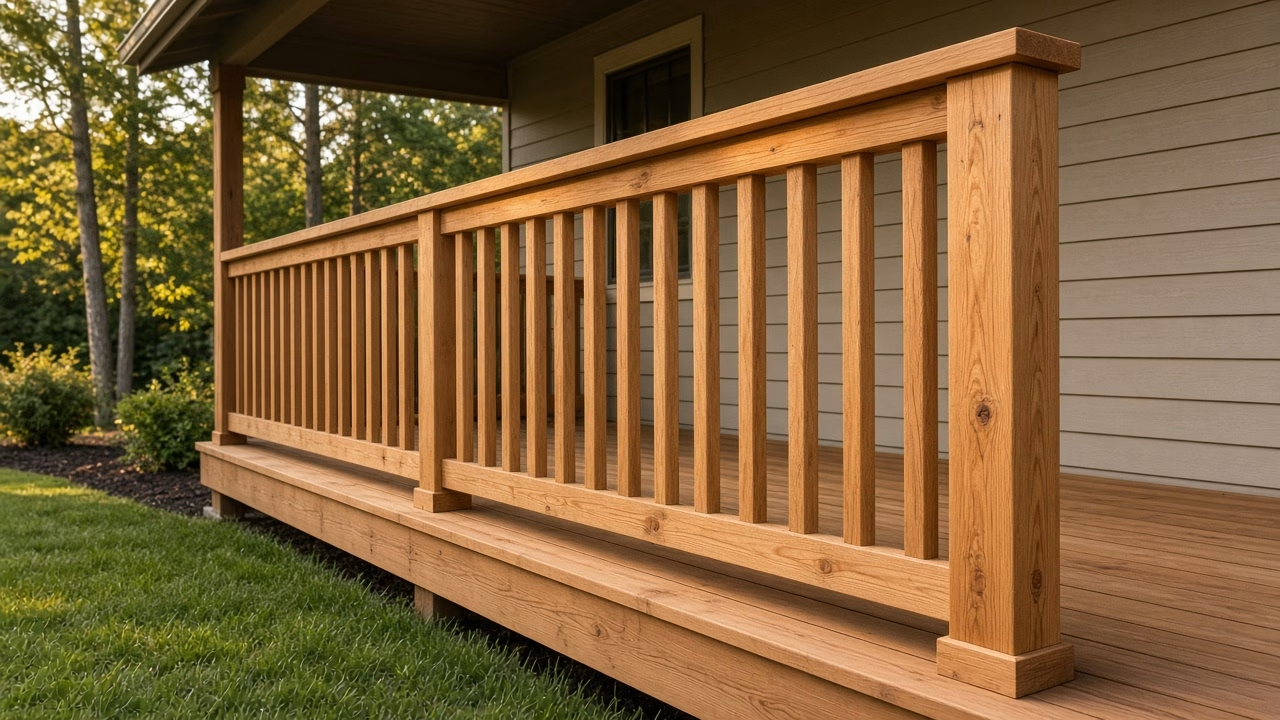
About Rustic Roots Warehouse
People often think outdoor cedar can sit bare and stay sound for good. But that misses the care it still needs. Cedar Lumber in Gastonia still needs water kept off the face. So add a finish if you want the color to hold. A look at the ends on a regular pass matters as much as that first coat.
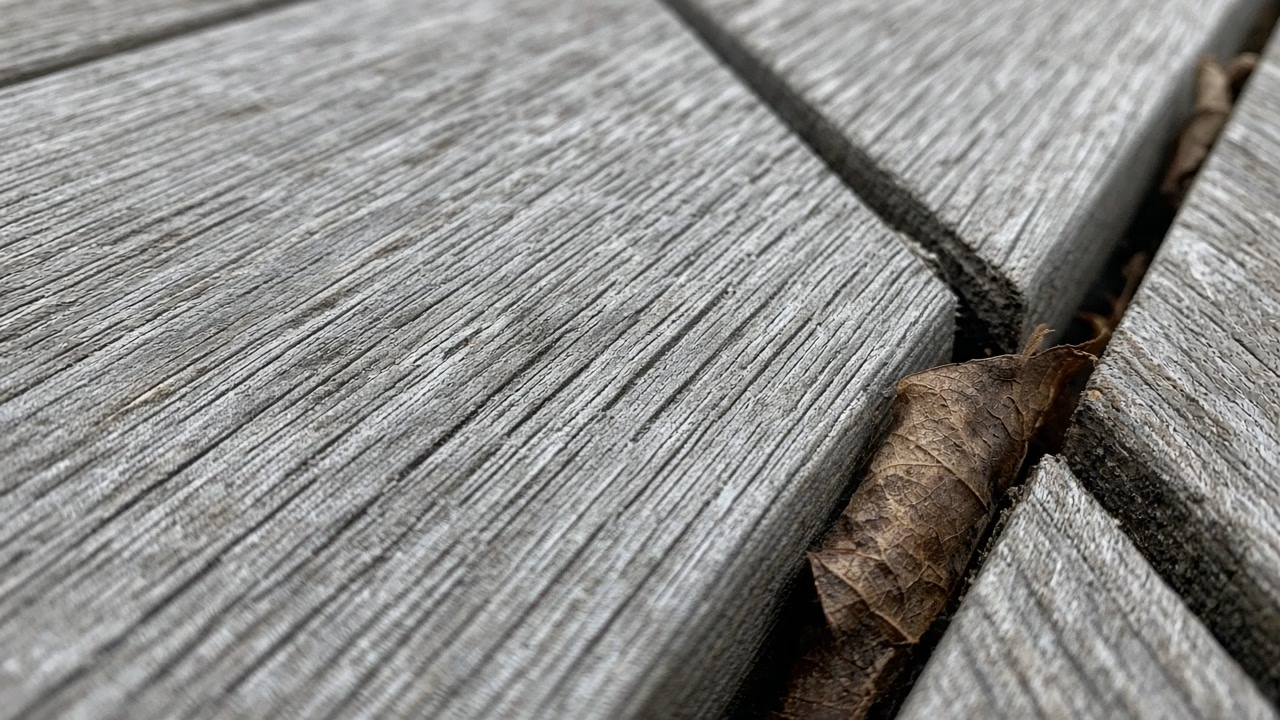
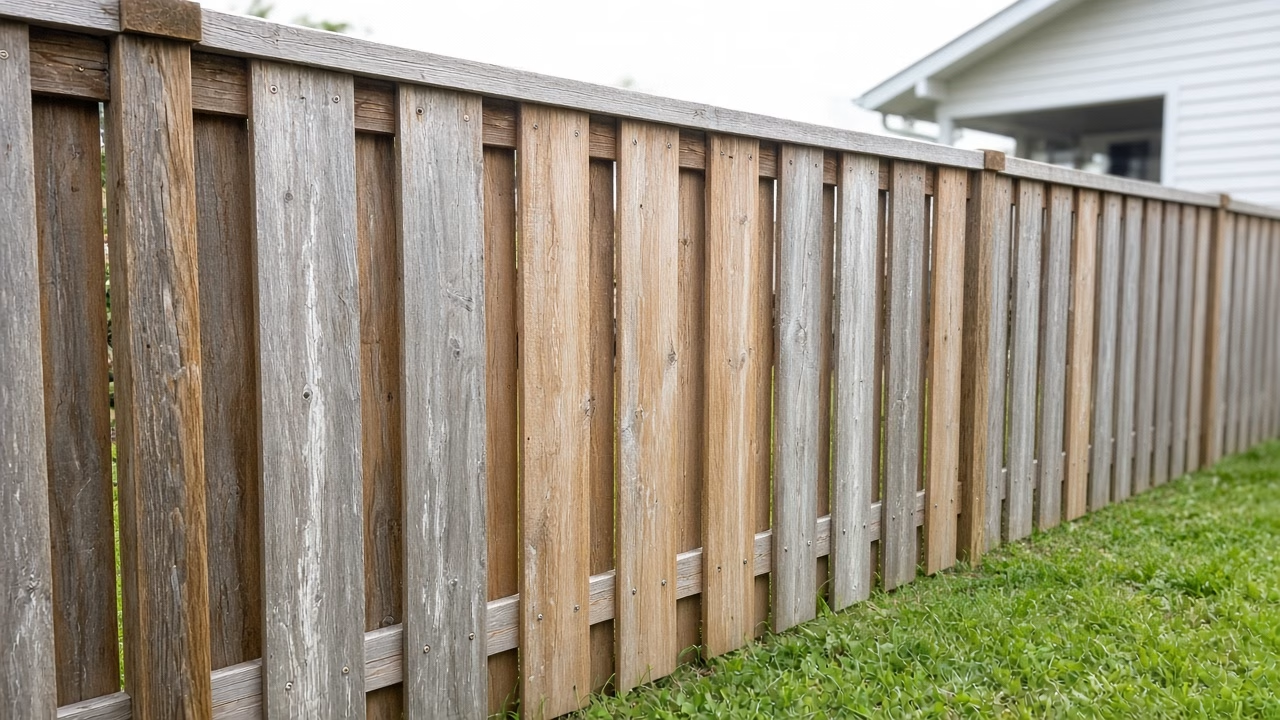
Cedar holds up better than many woods in Gastonia’s wet, humid weather, but rain and sun still weather it if it is left unfinished. We see the gray skin and the rough feel on boards that never got a coat. Because the oils in the wood slow rot, folks don’t look again. Then you’ll see a gray, rough face.
Always Growing. Always Creating.
Cedar Lumber in Gastonia: What Wet Weeks Do
In Gastonia, North Carolina, summer air stays heavy, and rain falls in bursts. When that water sits on a flat rail, the face takes it up. After the sun returns, the top fibers dry faster than the core. So a board can check at the ends. The color shifts toward gray.
We have pulled porch boards that felt fuzzy after a hard spray from a washer. Cedar is soft. A close wash with a brush and mild soap is the safer clean. Then let the wood dry before you coat it again.
Where the Work Begins
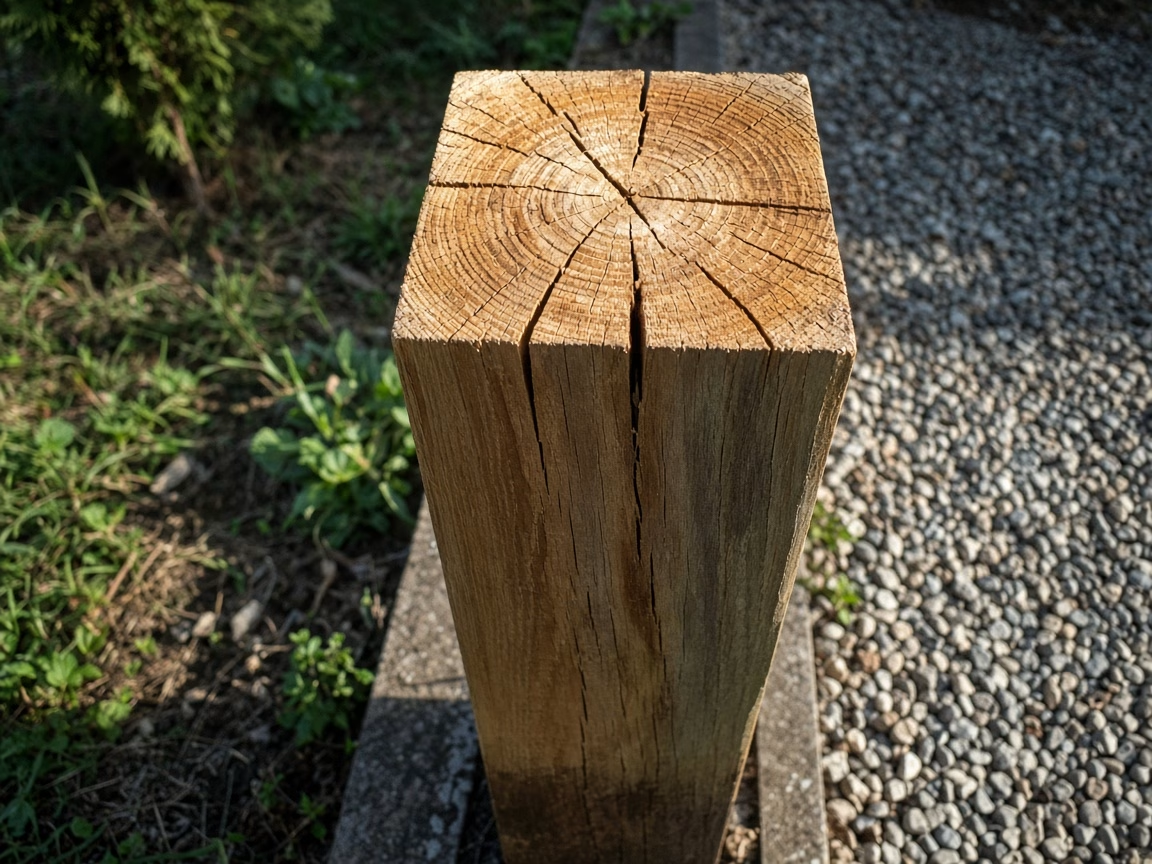
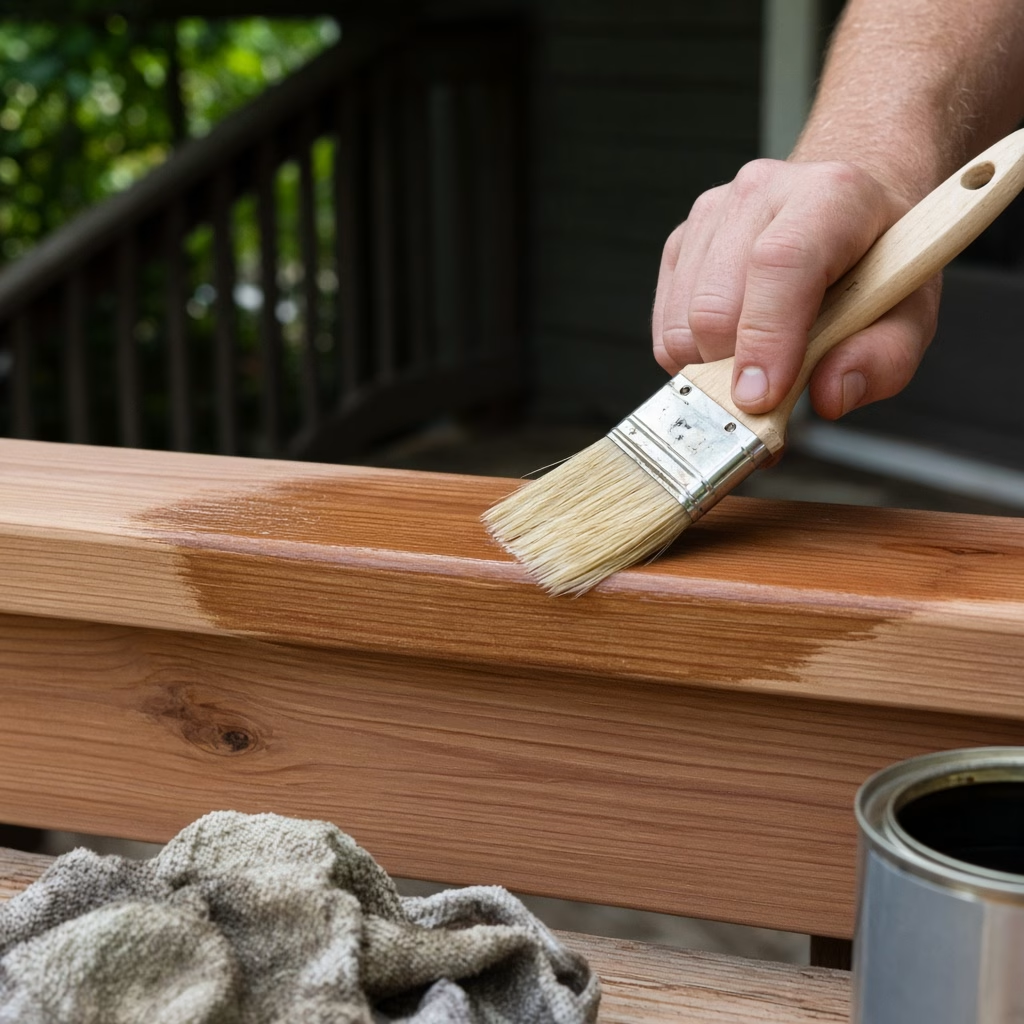
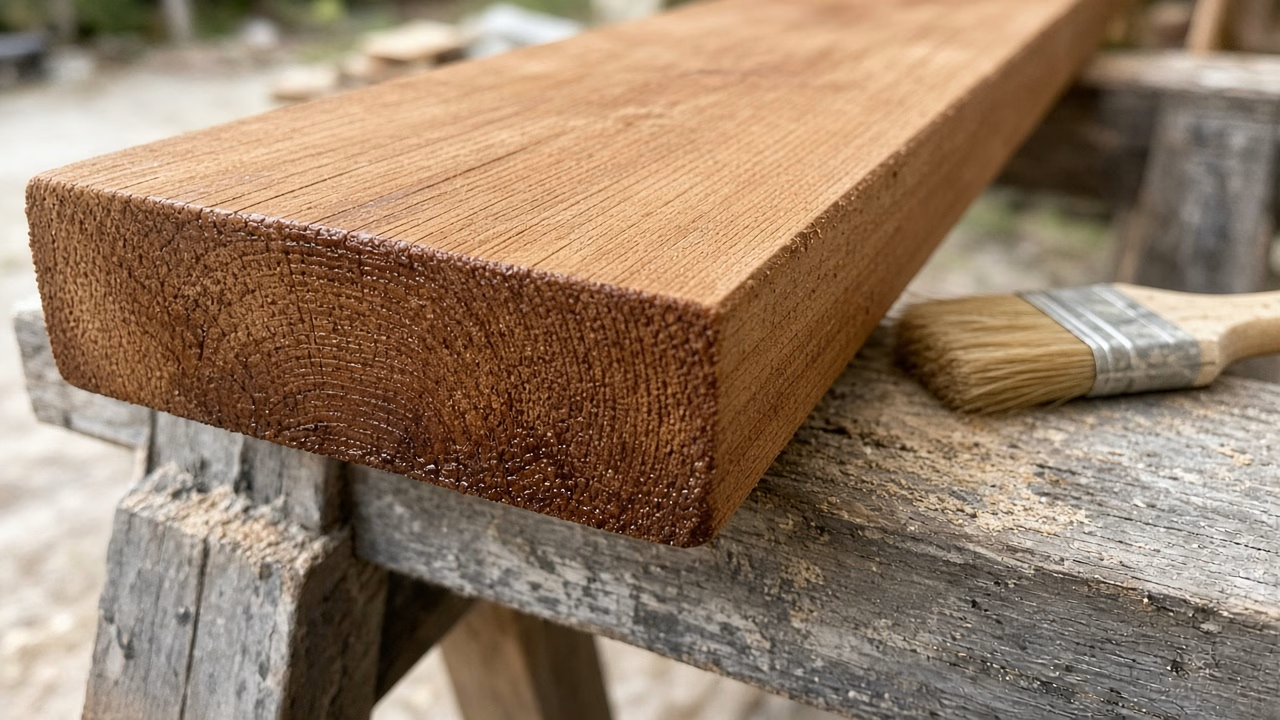
When a piece starts to look tired, we walk the same short order. Find the dark end or the soft patch near the ground. Then wipe off leaves and standing water the same day you notice them. After the surface feels dry, look at the finish. If water soaks in, it’s time for another coat. For example, a rail cap with an open end will darken there first. A dab of the same exterior finish on that end slows the next wet week.
Shaped by Nature. Finished by Hand.
Finish choice changes the care you do at home. A film finish, such as an exterior varnish, sheds a short rain. An oil or a penetrating stain looks dull when it needs another wipe of the same product. So ask which one is on the wood before you buy a can. A film laid over fresh oil can peel off in sheets later.
Clear coats let the cedar color show. Because some clear products let sun through, ask if the can blocks UV. A pigmented stain is what we reach for on a rail in full sun. We keep a wide selection of finishes for exterior pieces and for indoor work. When you are matching an old rail, bring a small offcut if you have one.
A Resource for Ideas of Every Size
Shop Time for Cedar Lumber in Gastonia
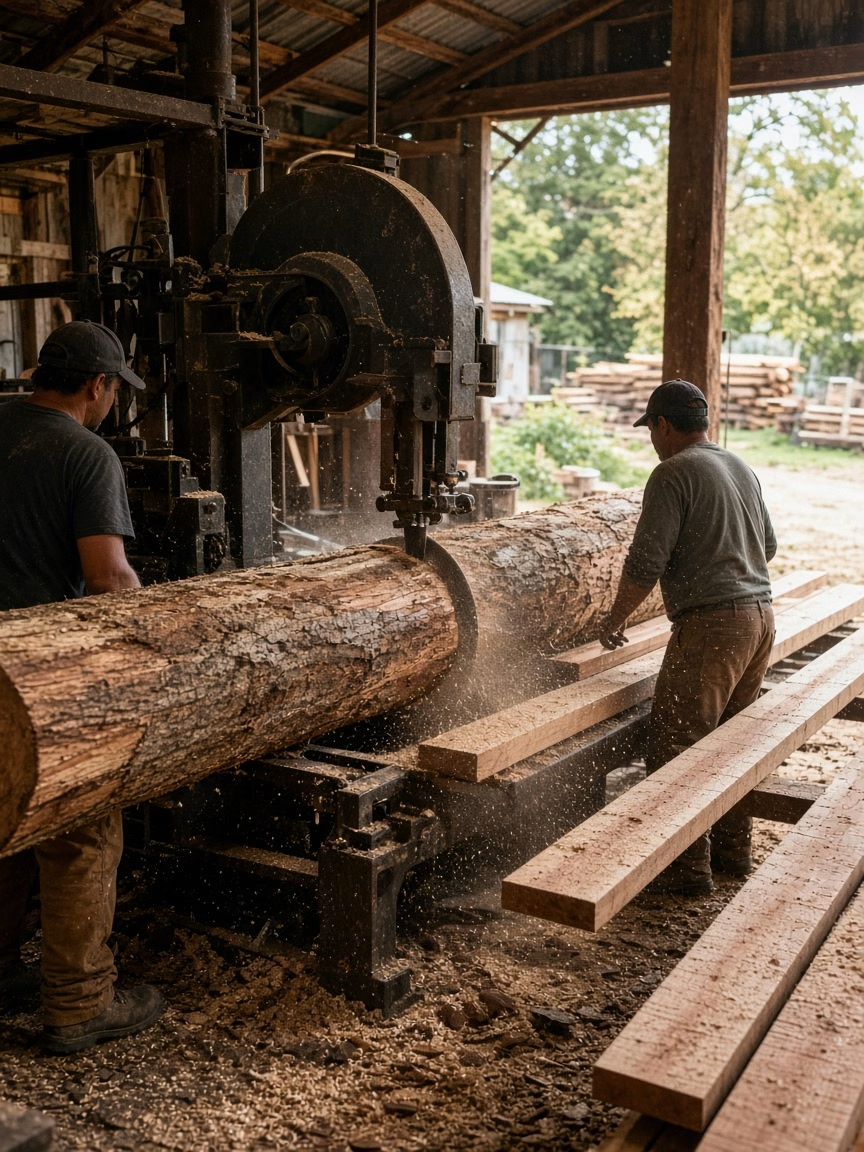
A wipe-down and a look at the rails take an evening at home. A soft board or a crowned cap can mean a shop visit. If you are in Gastonia, you may only need a few replacement pieces. We mill our own material, and we can saw a qualifying customer-owned log.
Air-dried stock and kiln-dried stock both show up in inventory. So ask which one fits an outdoor rail before you haul it home. Because wet boards move more as they dry in the sun, ask how dry the stack is. The sawn lumber and slabs we cut stay on hand for jobs like this. We write the saw schedule on the quote line by line.
More to Discover Around Every Corner
When humid weeks stack up, look for dark streaks under a rail. Cedar Lumber in Gastonia also picks up grit in the gaps after those weeks. Then check any place a board sits flat, like a bottom rail or a step. A mat left on a cedar deck keeps that patch wet. After a hard rain, walk the boards with a broom. Leaves hold water against the wood. So clear them before they mat down. If a board cups, don’t force it flat with a tighter screw the same day.
See What We’ve Been Creating
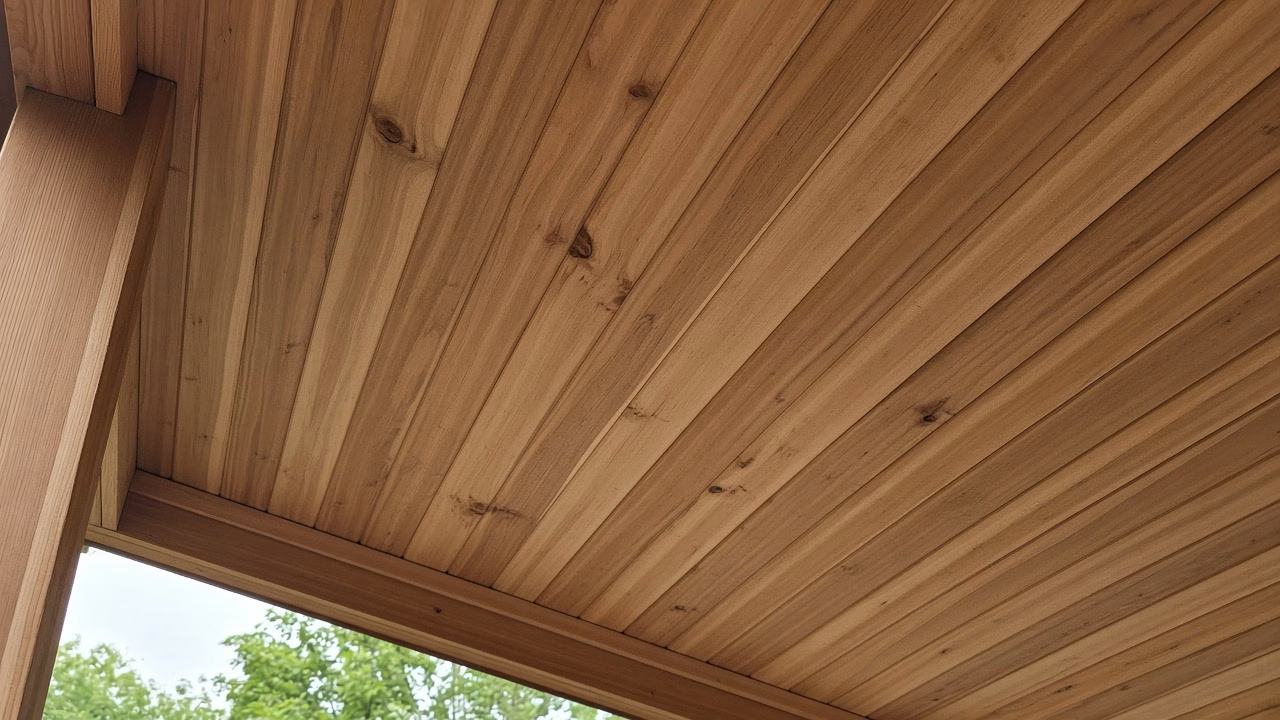
Folks have asked how Cedar Lumber in Gastonia holds up under a covered porch ceiling. Because the air there stays closer to the outdoor damp, a dark film can grow on shaded boards. But an open deck in full sun fades faster on the south face.
Ground contact brings a different kind of wear. When a post sits in soil or in a planter, the end stays wet. So set posts on a footing or a metal base when the build allows it. We have replaced bottoms that stayed buried and went soft.
Planning an Outdoor Project?
Porch Boards and Cedar Lumber in Gastonia
In Gastonia, a porch piece stays in damper air all season. A screened porch and a covered entry stay in that same damp air. We have milled cedar for rails and for exterior trim. When you need stock for that porch, start with our cedar lumber work.
Screened porches still get blown rain on the outer posts. So those posts need end care, the same as an open rail. We sticker boards when we air-dry them, which keeps air moving between layers. You can set scraps under a board you just washed. Then the back can dry too.
After a hot spell, people have called about a rail that went gray. But it felt splintery once it dried. Some calls about Cedar Lumber in Gastonia were about a cap that cupped. When we look, we check whether the board is still sound under the gray skin. A gray face can still be firm. A musty smell, or a screwdriver that sinks in, means that piece should come out.
So a sound board usually gets a clean and a fresh coat. A punky end means we talk about a replacement. We can pull a board from inventory, or we can saw a qualifying log you already own. The Lucas Mill lets us saw wide stock when a job needs a broad cap. We cut rail stock to the porch size.


Come See What’s Taking Root
If you are choosing outdoor cedar, ask how that species moves once it leaves the shop. Then look at live-edge slabs when the job is a bench or a wide cap. The care after install follows the cut.
What to ask before you hire fits on a short list. We answer these before the wood leaves the shop.
- Which species is the board, and was it air-dried or kiln-dried?
- Will a post sit in soil, or under a drip edge where splash stays?
- If you are matching old work, what finish is on it now, and does water still bead?
- If you bring a log, ask if it qualifies. Kiln drying starts at a 500-board-foot minimum.
Those answers tell us whether you need a finish schedule or a milling slot. A shop quote covers milling when boards need replacing. After you know that, keep the ends dry. Renew the coat when water doesn’t bead on it anymore.