
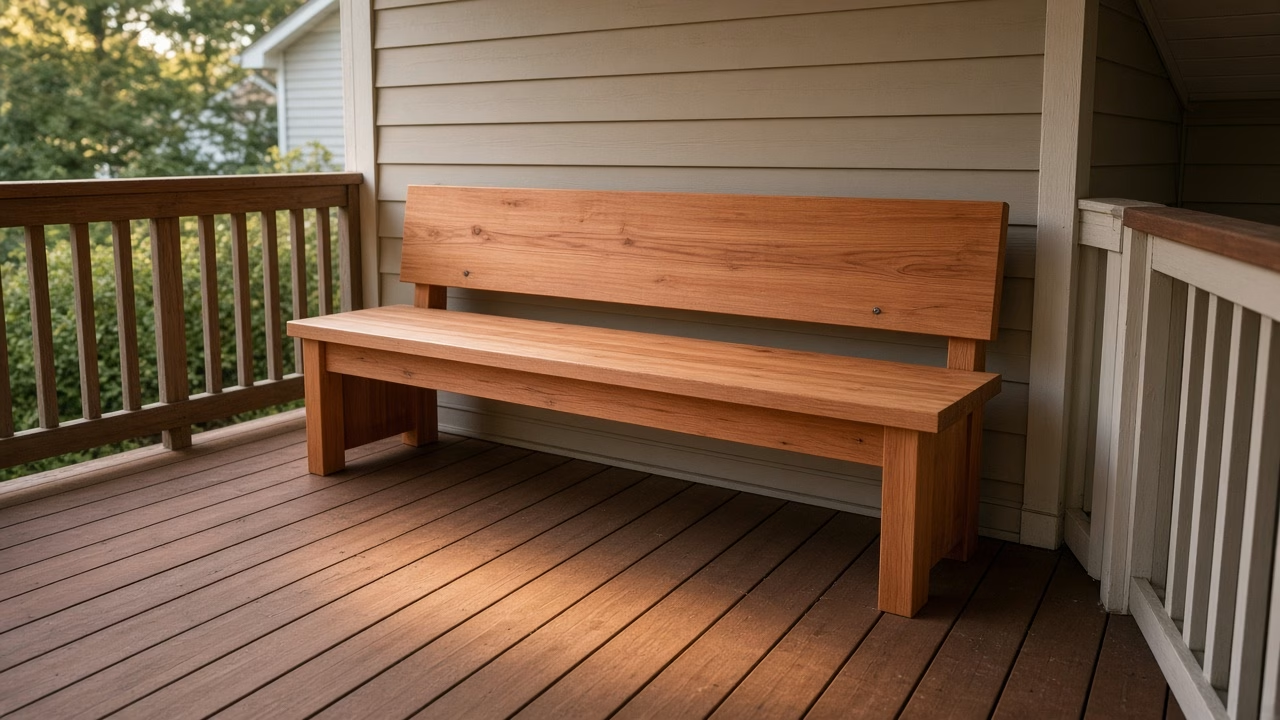
About Rustic Roots Warehouse
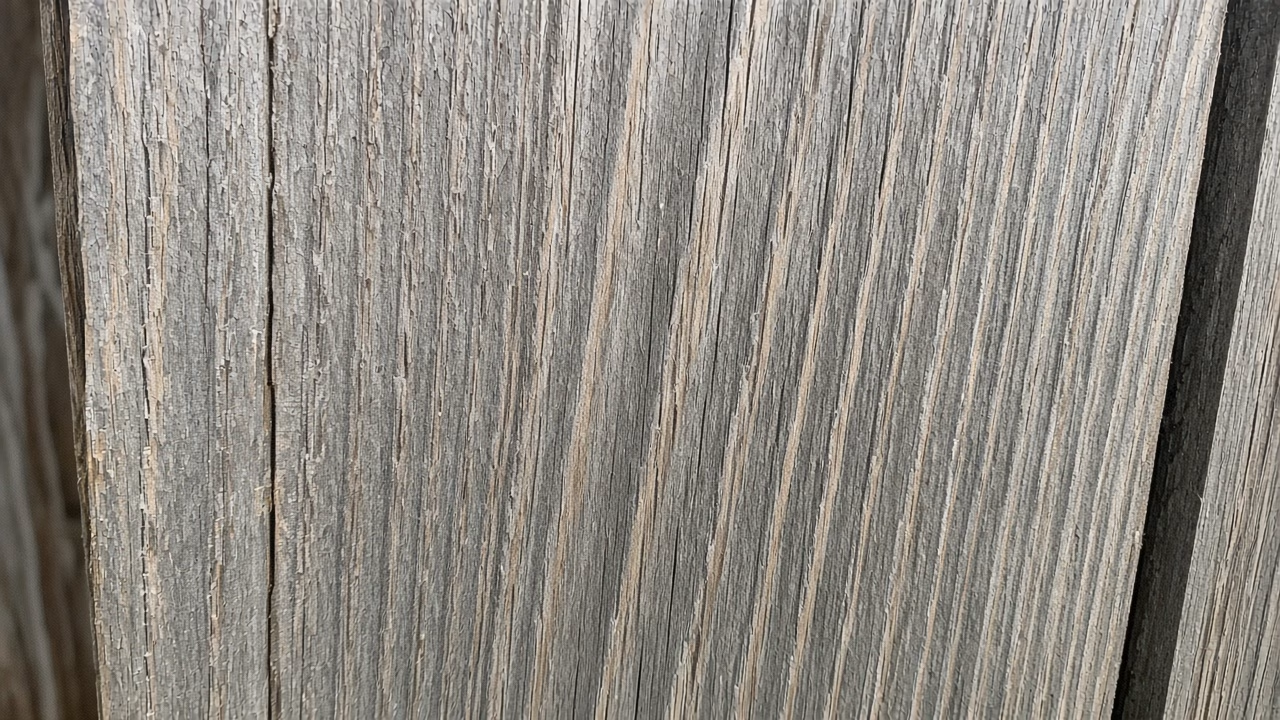
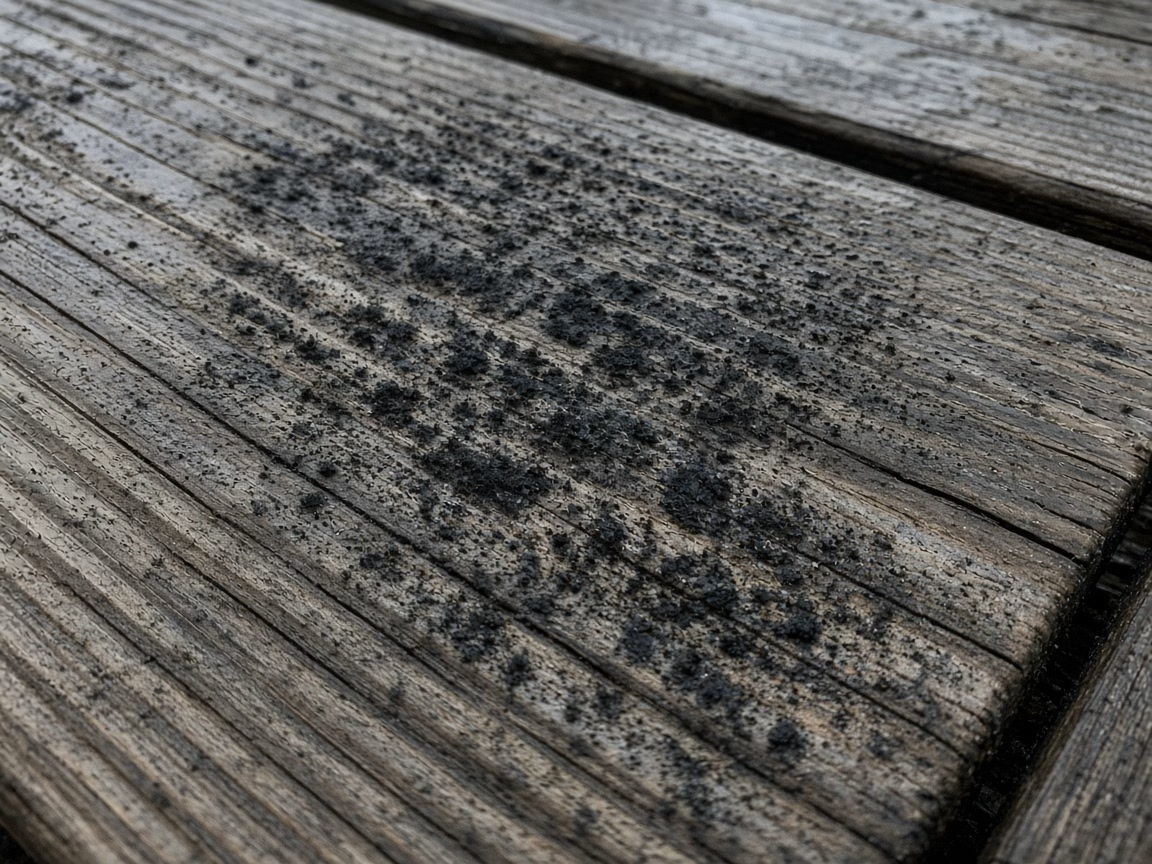
A cedar seat cups, and black spots sit where water stood. People ask us how to look after Cedar Lumber in Matthews once a bench has lived outside. Wash the film off before it stains. Then keep standing water off the end grain and out of the joints. Because a coat you never renew cracks when the summer stays warm and wet.
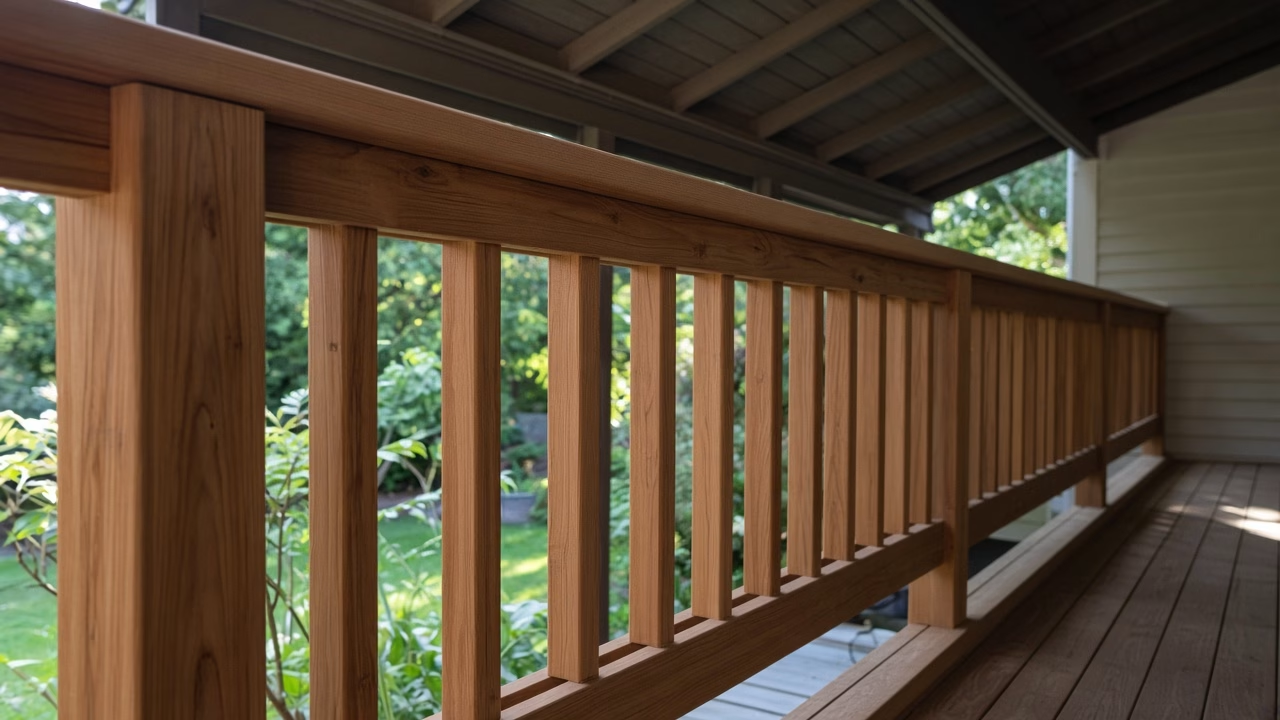
We have seen it on fences and porch rails. After a wet season with no wash, you see the gray and the spots on the face.
Always Growing. Always Creating.
What Wet Air Does to Cedar Lumber in Matthews
Summers in Matthews stay warm, and rain shows up often. So outdoor cedar fades through a long wet stretch. Then mildew shows up in the damp grain, mostly on a shaded side after a storm.
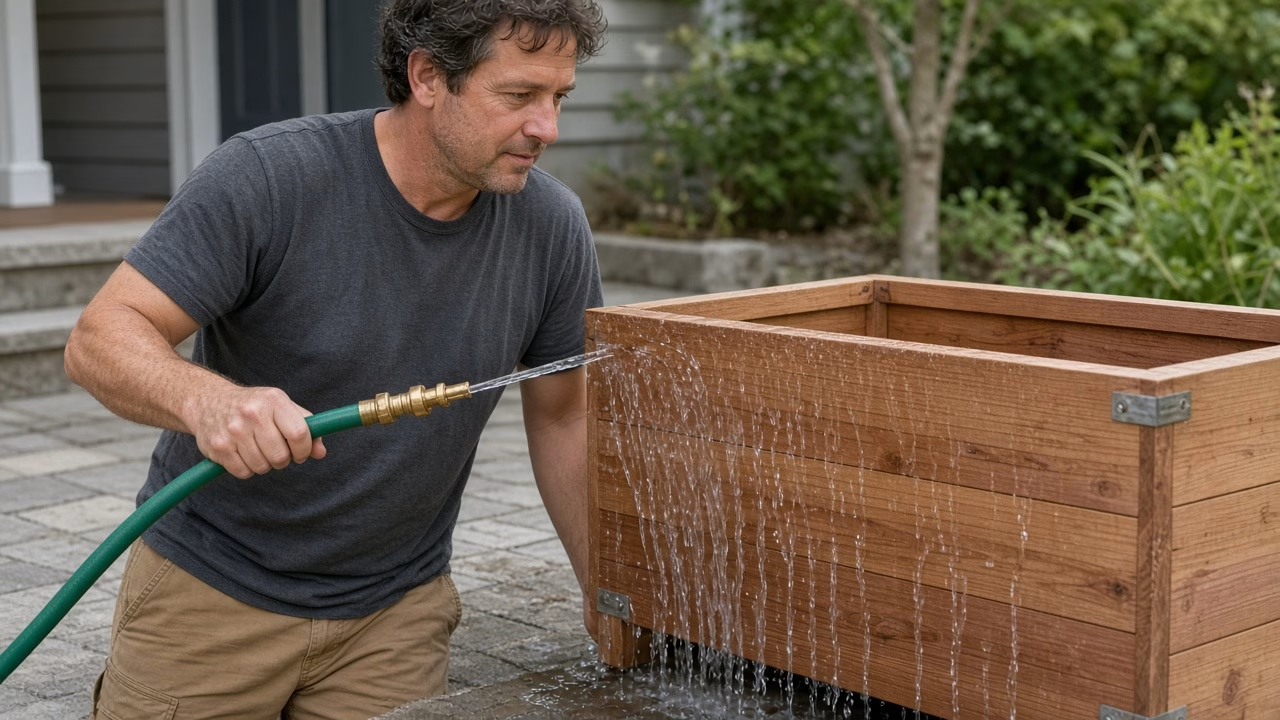
A board that sits flat holds water in the low spots. We have opened planter boxes that went soft at the bottom corners. Because the air stays humid into the evening, that low corner doesn’t dry before the next shower.
Where the Work Begins
When a piece starts to look tired, we walk the same short order. Then find where water sits. That is often a flat cap, or a leg set down in mulch.
After that, we look at the cut. Because end grain on a post top drinks rain if nobody sealed the end. For example, a small slope on a rail cap sheds water. Leaves that pack into a tight gap hold a puddle on the underside of a seat.
Shaped by Nature. Finished by Hand.
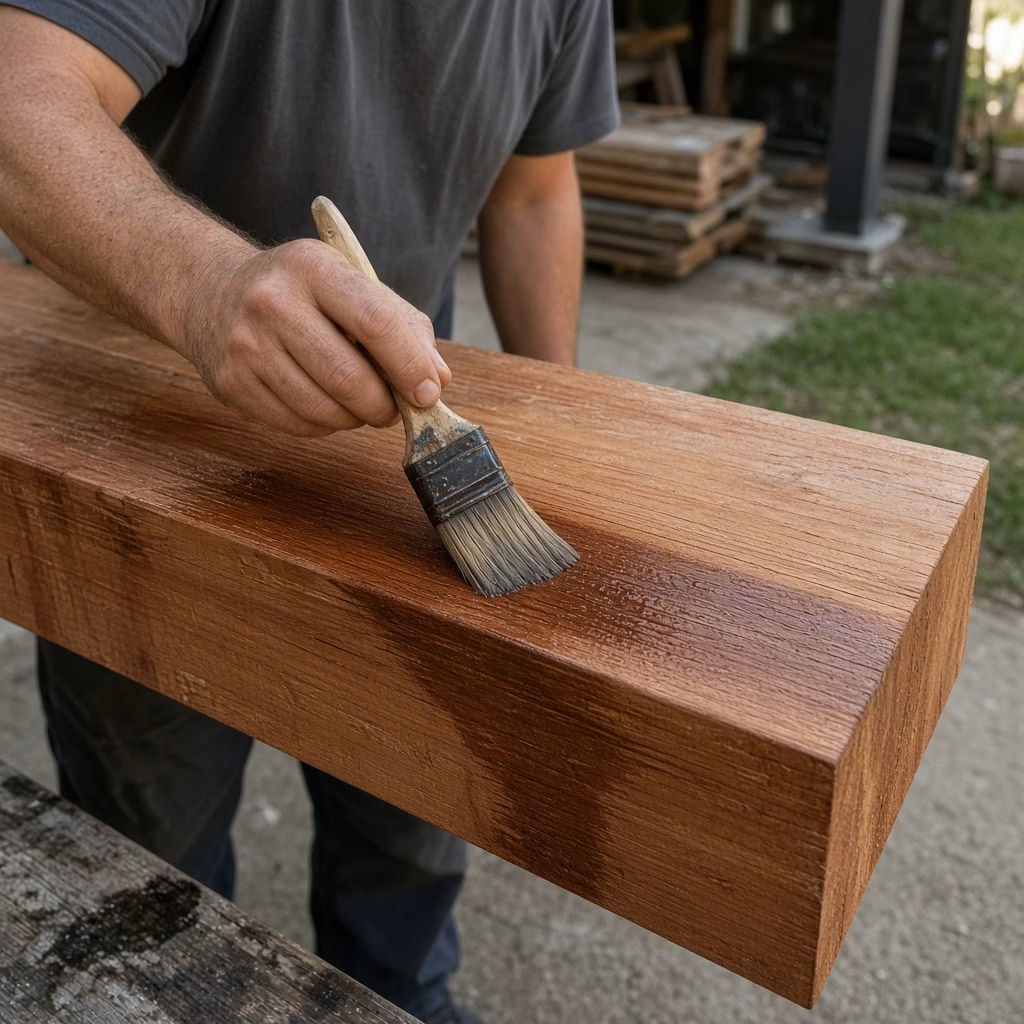
Finish choice changes the work you do at home on outdoor cedar. A film finish, such as a spar varnish, sheds a short rain. But it can peel once water gets under an edge. Then the next coat takes a scrape before you can wipe anything on.
An oil or a cedar stain soaks in. So it looks dull when it needs another coat. We like that signal, because you can see it from the yard. For a table you eat from, we usually pick a finish you can renew without stripping the whole top.
A Resource for Ideas of Every Size
Shop Time for Cedar Lumber in Matthews
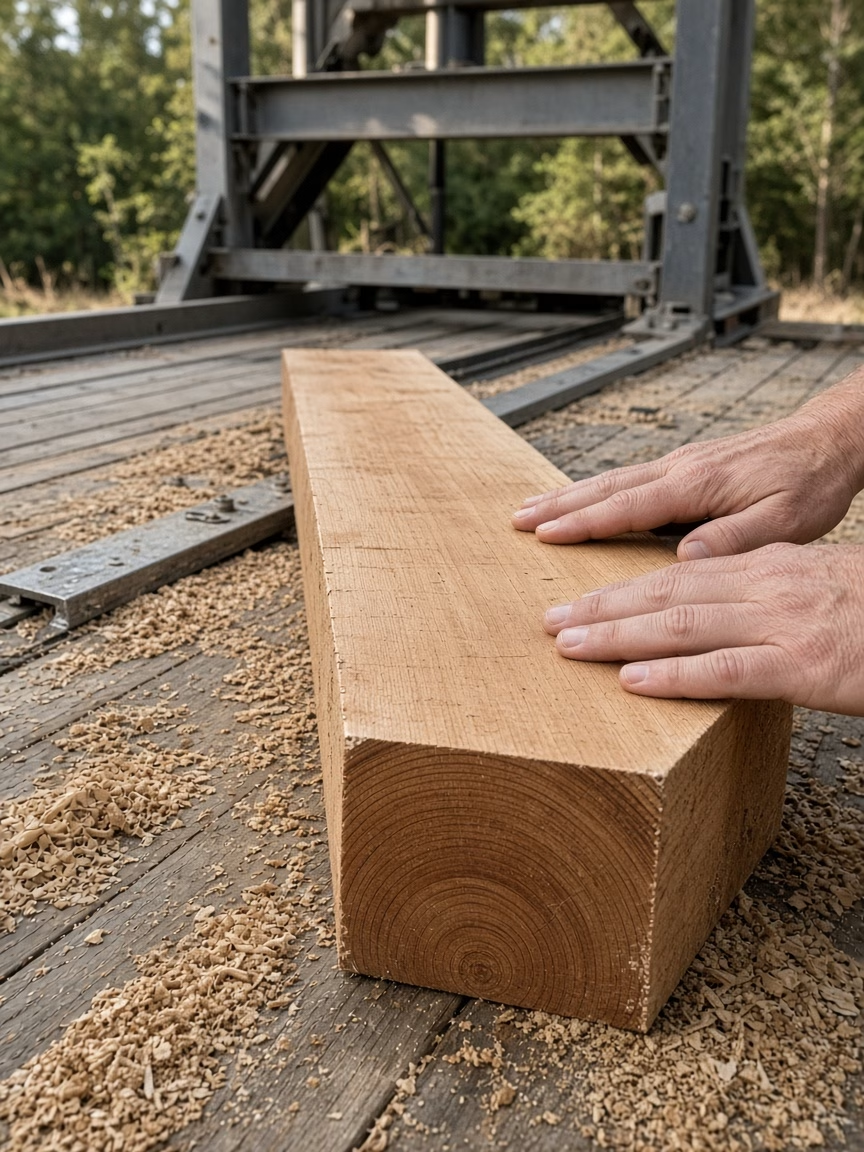
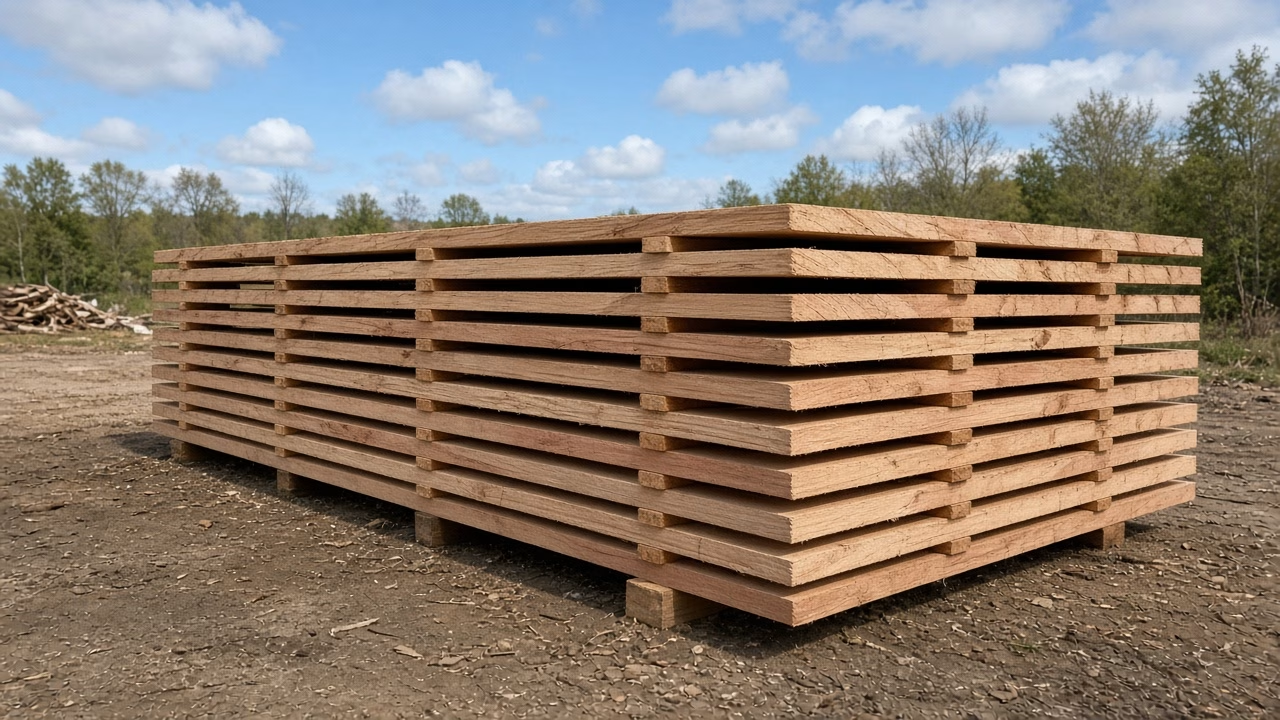
You can wash the piece and look it over at home. A soft post, or a board that has cupped hard, can mean a shop visit. We mill replacement parts when the old piece is too far gone to sand back. Those parts come from rough-sawn boards we cut on the mill.
In Matthews, much of this work shows up after the humid months. Air-dried stock and kiln-dried stock move differently in porch air. So we match the board to the job before we cut it.
More to Discover Around Every Corner
When wet weeks stack up, look where two boards meet. Then check any cap that sits flat. A leaf mat on a deck board keeps that strip wet long after the rain stops. The same spots show up on outdoor cedar after a run of afternoon storms.
Wipe standing water if you can reach it. Then a soft brush and a mild wash lift surface mildew before it sets darker. Bleach mixes can lighten cedar more than you want. So we start mild and see how the color comes back.
See What We’ve Been Creating
Questions People Ask About Cedar Lumber in Matthews
How often should you wash Cedar Lumber in Matthews?
We don’t hang the wash on a calendar. When the surface looks filmed over, it’s time. After a heavy pollen stretch, a rinse keeps that dust out of the damp grain.
Do you have to finish Cedar Lumber in Matthews?
Cedar carries oils that slow rot when the board stays outdoors. But sun still grays the surface. Mildew still grows in warm wet weather. A finish holds the color you want. It also slows checks that open when one face dries ahead of the other.
Planning an Outdoor Project?
Porch pieces in Matthews sit in damp air, even under a roof. A screened porch holds humidity after a summer storm. So leave airflow under the top. Don’t leave the cut ends raw, because end grain takes on water fast.
If the piece needs new stock, that visit can cover our cedar lumber work along with the milling. We take qualifying customer-owned logs when you want boards from a tree you already felled. We look at whether the log is sound enough to mill.
People have called about Cedar Lumber in Matthews after a rail checked through a hot spell. The checks looked deeper once the rains came back. Some calls were about a bench seat that cupped.
We sand back to sound wood when the damage stays shallow. When rot sits in a joint, a patch rarely holds. Then we tell people the new finish will not match the faded boards exactly.


Come See What’s Taking Root
If you are picking boards for a new outdoor project, ask how that cedar moves off the stack. Then look at live-edge slabs and the finishes on hand before you decide. Because a wide top for an outdoor table needs room to swell.
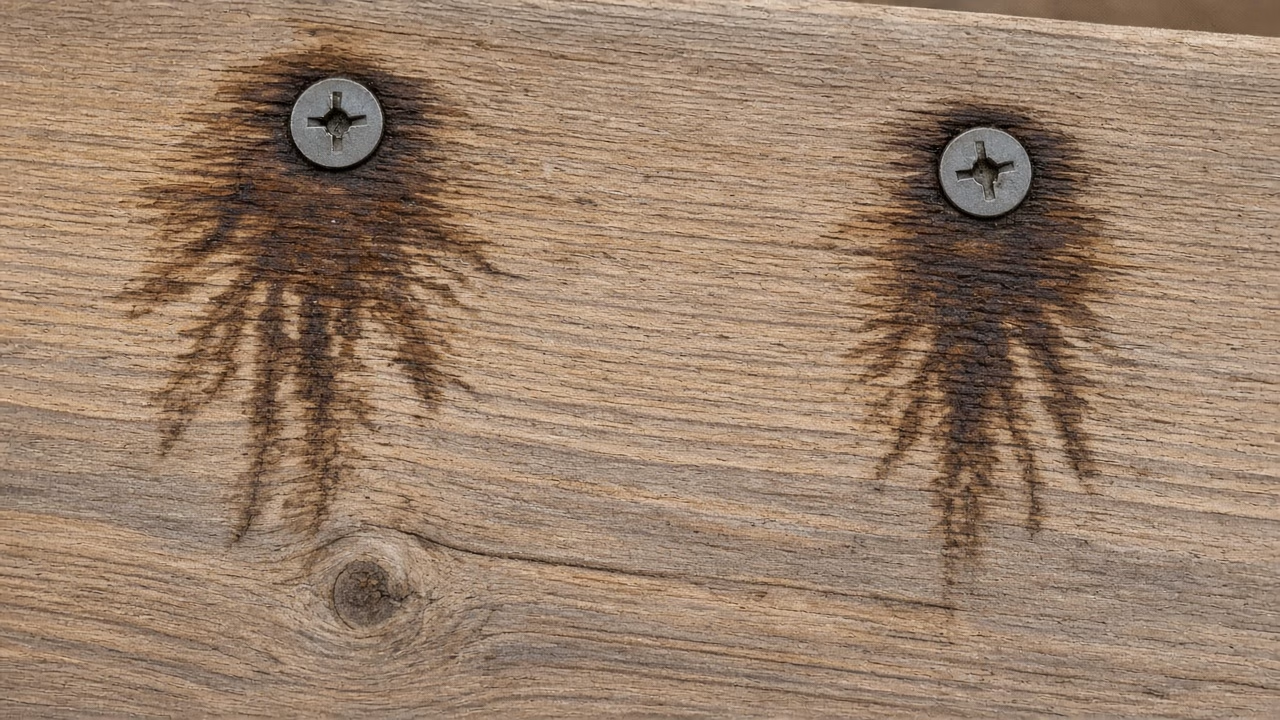
We keep lumber and slabs from the sawmill in air-dried lots and in kiln-dried lots. For exterior work we talk about ground contact and about the metal in the fasteners. Damp stays in the shade, and plain steel streaks the cedar around each screw.