
About Rustic Roots Warehouse
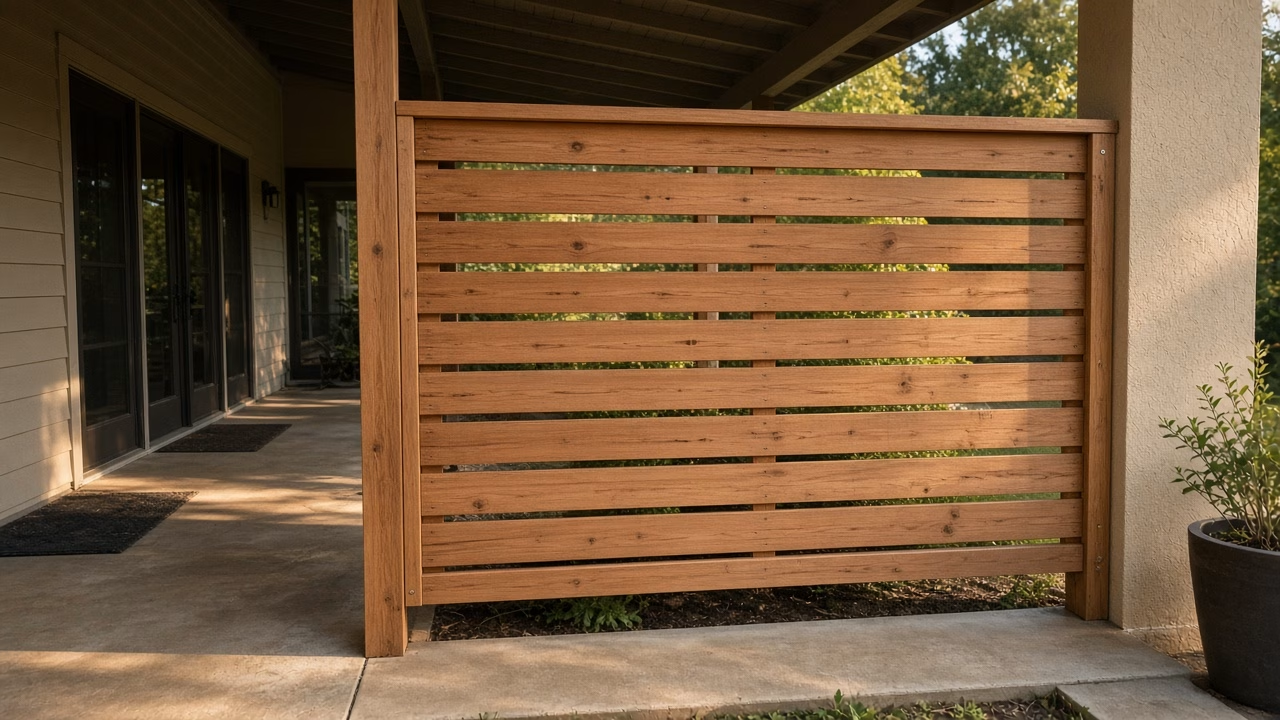
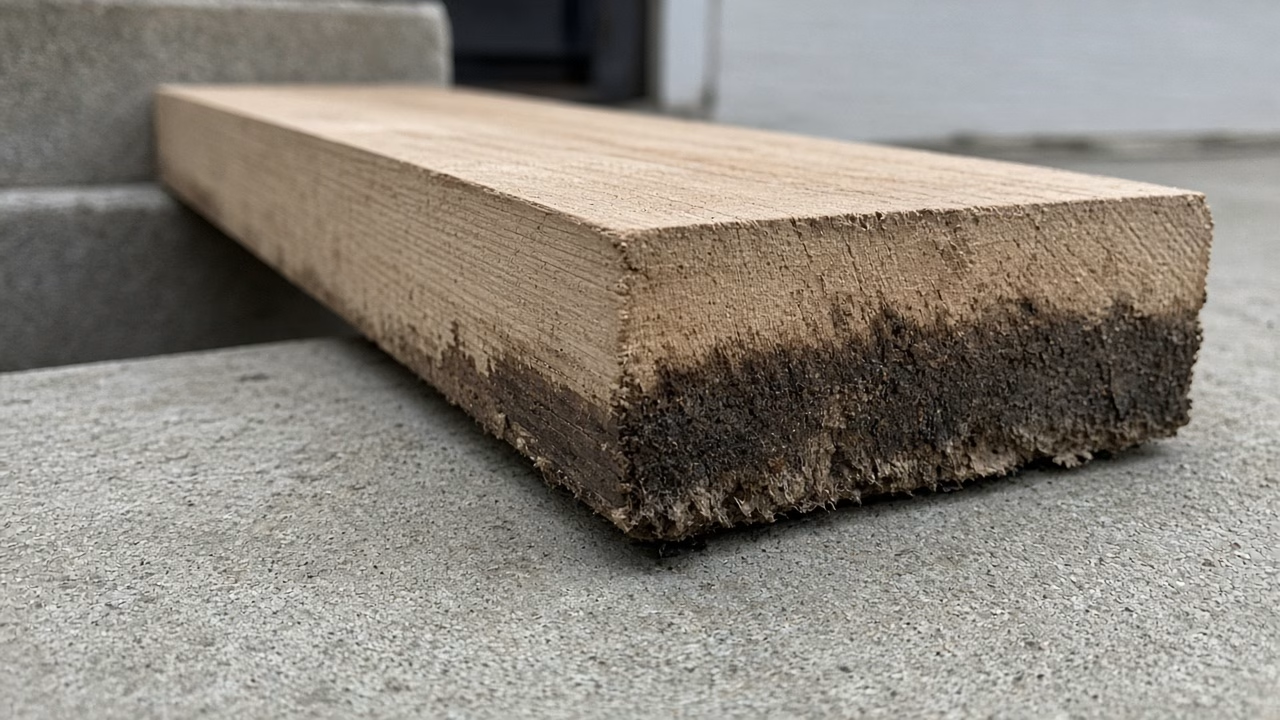
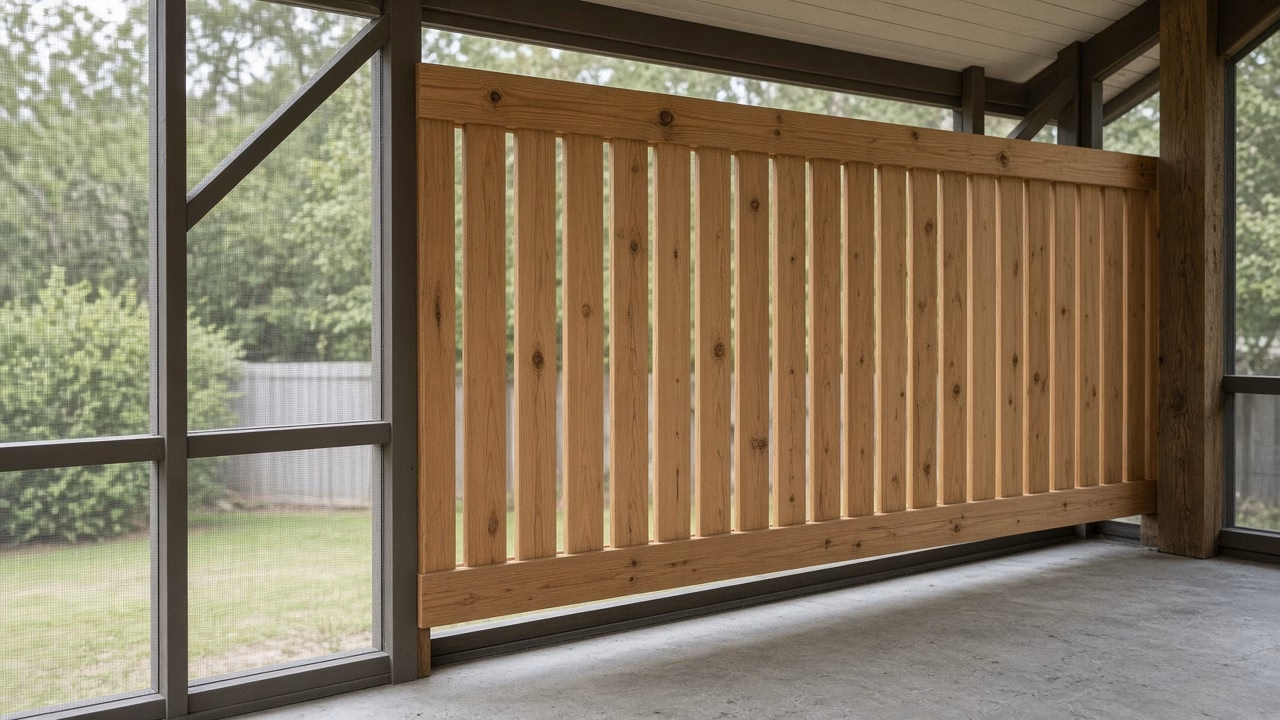
A screen slat cups after a run of afternoon rain. The bottom edge stays dark where water sat all night. Cedar Lumber in Fort Mill holds up on screens and outdoor storage that can dry between rains. Because humid summers and rainy spells punish untreated wood, we mill cedar for those jobs.
So we ask where the piece will sit before we pick a finish.
Always Growing. Always Creating.
Cedar Lumber in Fort Mill for Screens and Storage
In Fort Mill, outdoor wood we hear about often sits on a screened porch or by a shed. When the screen blocks the sun and the air stays wet, cedar still moves across the width. We have pulled cedar where the face looked sound and the end against a concrete pad had gone soft.
So we keep the bottom rail up off the slab. Then water leaves the face instead of sitting in the end grain. After a wet week, that gap is the first thing we check on a screen that started to stain.
Where the Work Begins
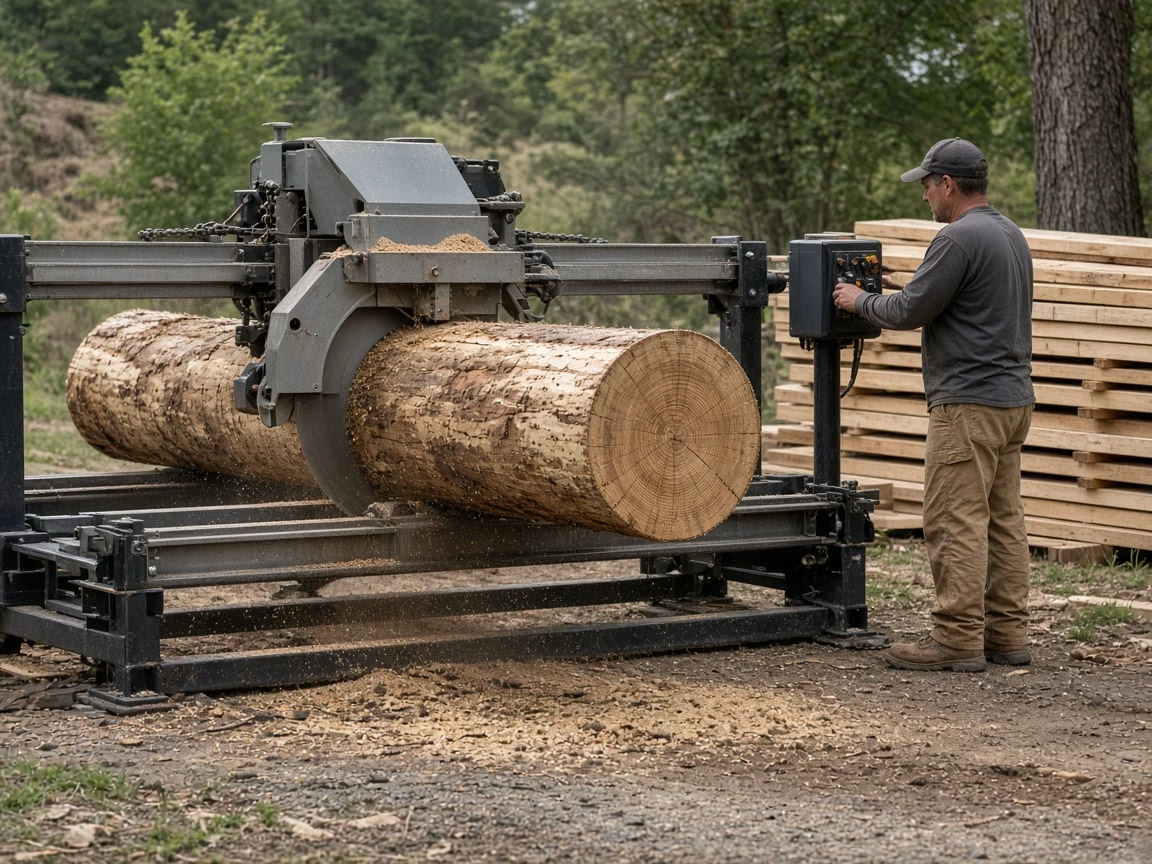
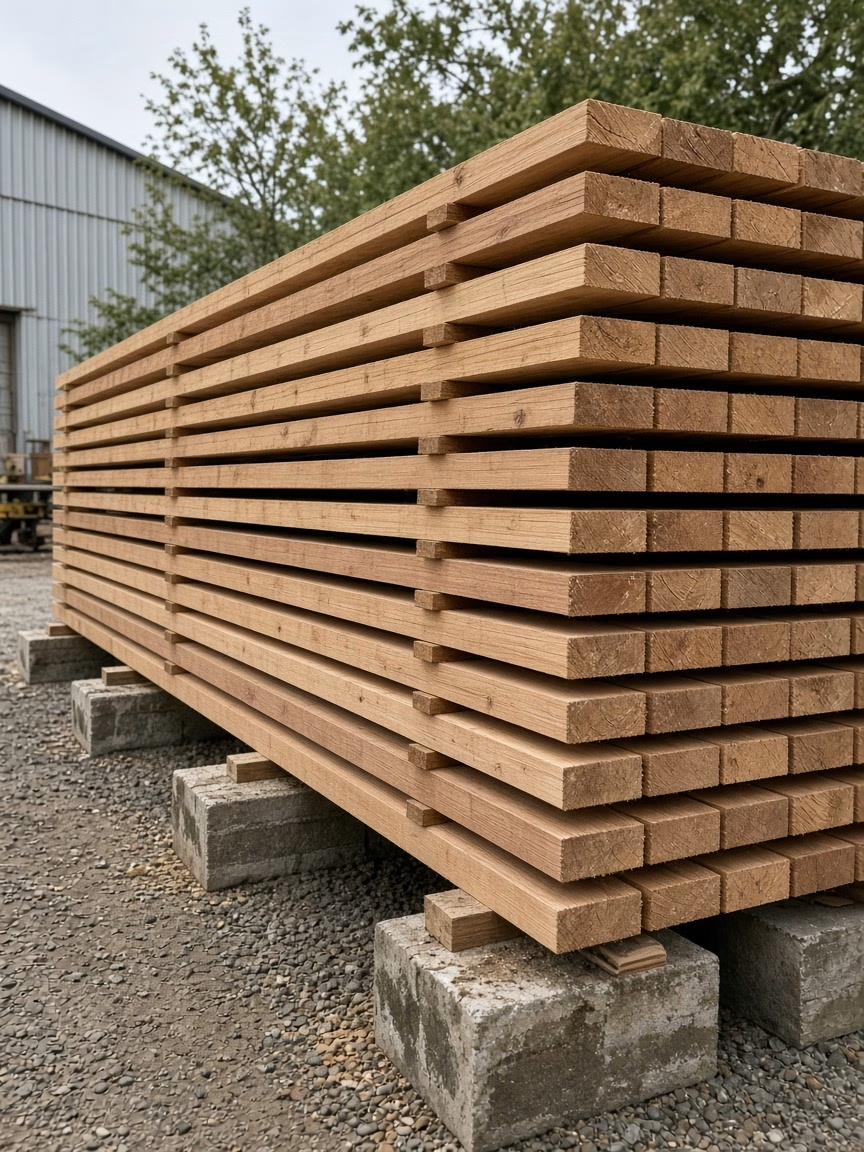
We start with boards in the yard or with a log a customer brings in. When the log qualifies, we mill it ourselves. Our Lucas Mill can cut a slab up to six feet wide. Then we sticker the boards so air moves between the faces.
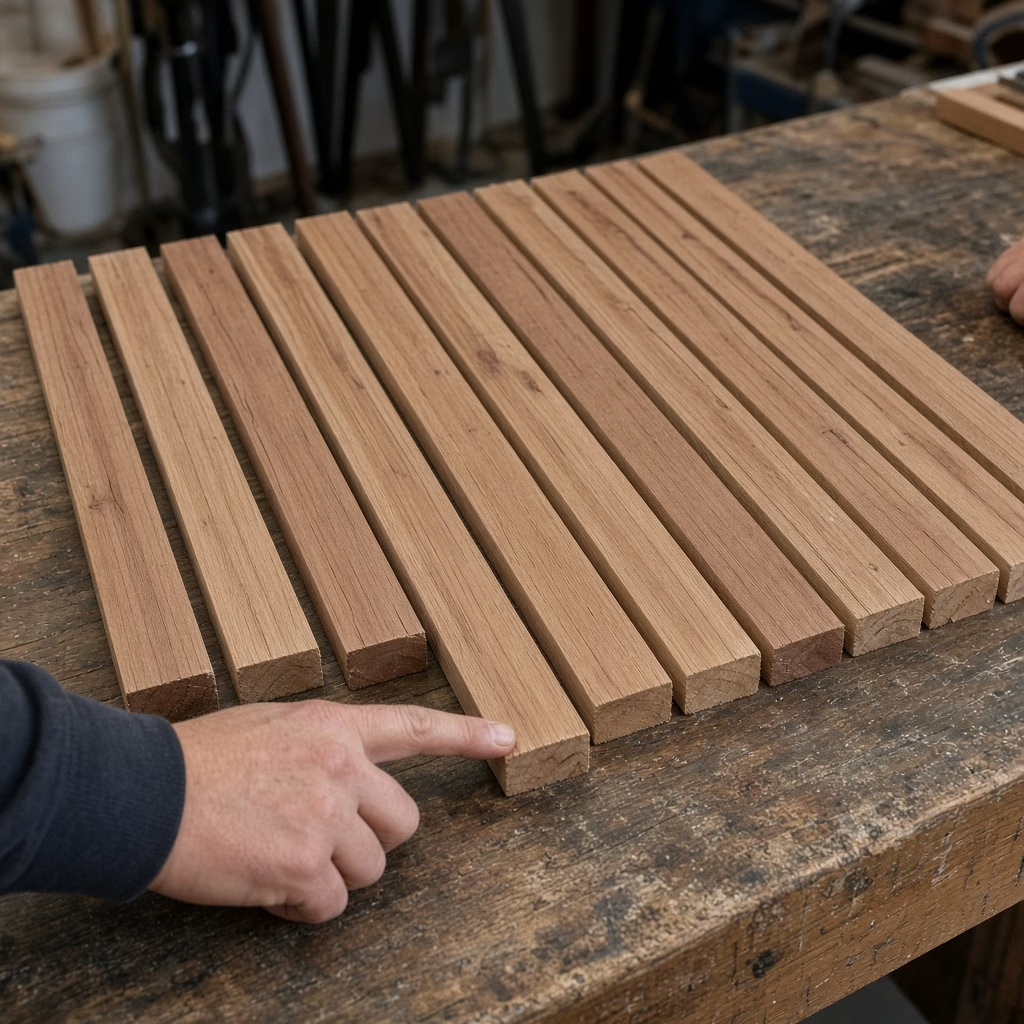
Rough-sawn cedar from the sawmill and lumber side still needs a planer pass for a smooth box face. For a privacy screen, many people leave the sawn face.
Shaped by Nature. Finished by Hand.
Air-dried cedar and kiln-dried cedar leave the shop at different moisture levels. When a board still holds extra water, a sunny week after rain can open checks on the face. Our kiln has a 500-board-foot minimum. A storage box or a short run of screen slats won’t fill it.
So those pieces usually come from air-dried boards or lumber we already have on hand. After the wood is dry enough for exterior work, we can rip it to your cut list.
A Resource for Ideas of Every Size
Shop Time for Cedar Lumber in Fort Mill
You can check the cut list and what is already dry the morning you stop in. Because the log has to qualify and then sit on sticks, milling a customer log takes longer. People have asked us to have screen stock ready before summer rains set in around Fort Mill.
Custom milling for a log you own follows the same order we use on our own cedar. We saw the log and sticker the boards. Then we wait on the drying. Kiln time only makes sense once you clear the 500-board-foot minimum.
More to Discover Around Every Corner
Cost follows the board feet and the widths on your cut list. How dry the stock already is changes the number too. We write quotes out line by line from the cut list. Cedar Lumber in Fort Mill runs higher than a common construction softwood. When you can use shorter lengths and a sawn face, the tally drops.
You still pay for the saw time and the drying if you bring a log. For example, a twisted log yields less clear screen stock than a straight one. So we put that waste on the quote with the saw time.
See What We’ve Been Creating
When the piece goes outside, expect the color to shift. Fresh-cut cedar shows a warm color on the face. After sun and rain, bare boards go gray. The wood under that gray can stay sound if the face gets to dry.
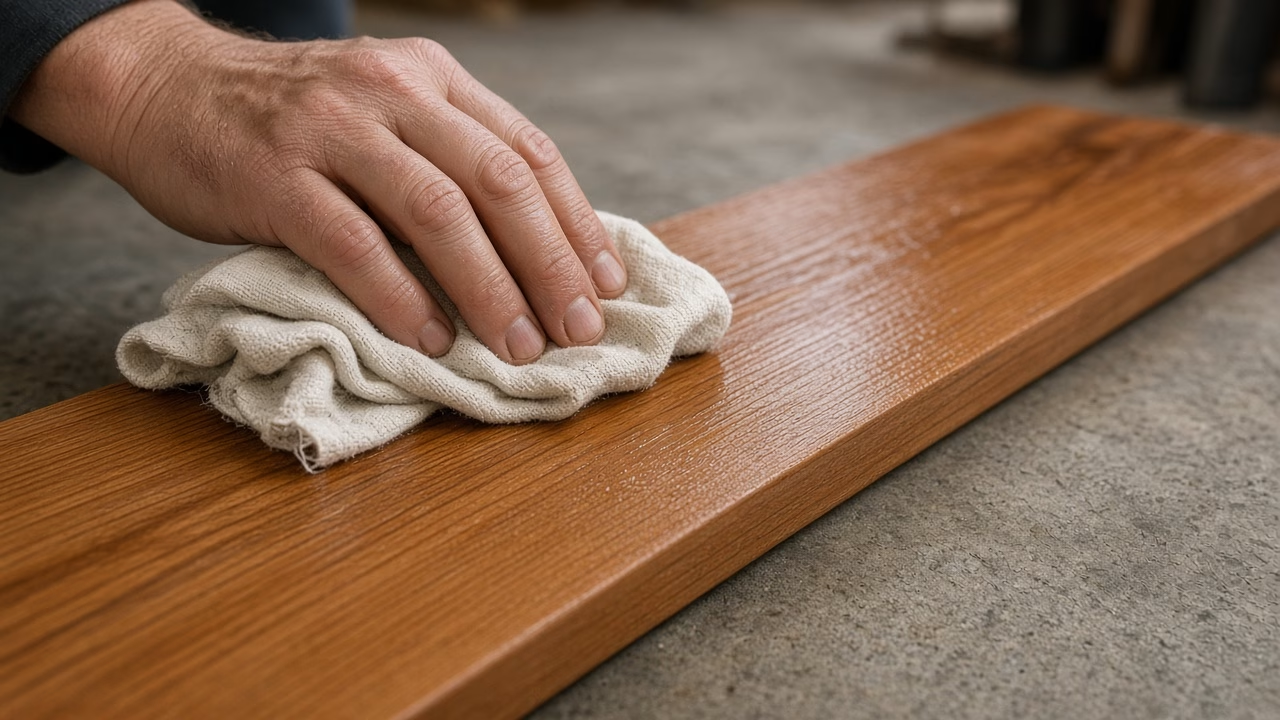
A film finish sheds a short rain. Then an oil needs another coat when water stops beading. Species choice and exterior pieces are part of our cedar lumber work.
Planning an Outdoor Project?
Porch Pieces and Cedar Lumber in Fort Mill
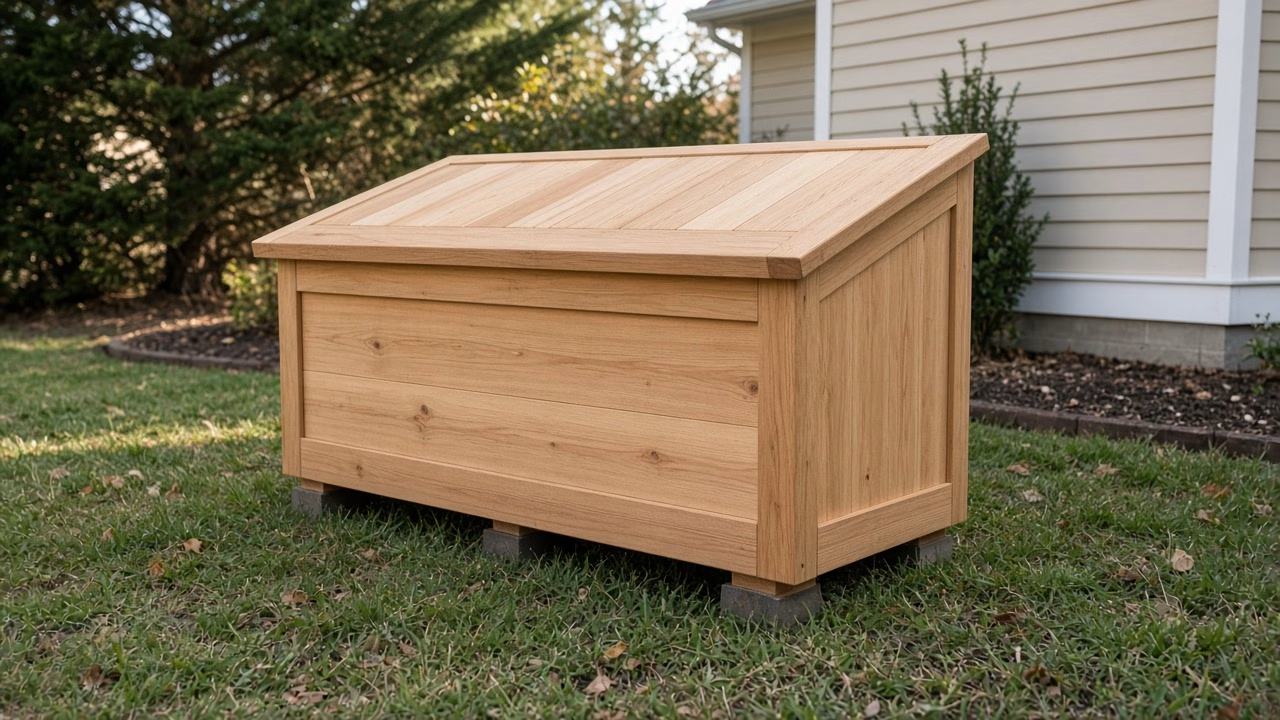
In Fort Mill, a porch piece sits in damp air after every rain. A screened porch and a covered entry both hold that humidity. We have built screen panels and outdoor storage for that kind of spot. We have also made mantels that stay inside the house.
So we leave a little room at the ends and the boards can move. When a slat is trapped tight, you can see the twist from the yard.
People have called after a cedar gate dragged on the concrete once the bottom rail swelled. Some calls were about a storage lid that cupped and would not sit flat. Cedar Lumber in Fort Mill still takes on water at the end grain. A lid with no overhang lets rain run straight into that edge.
So we look for the spot that changed. A dark line along a joint usually means water sat there. Then we talk about a gap under the rail and a slope on the lid. After a repair, we coat the end grain before the piece goes back out.


Come See What’s Taking Root
When you choose stock, ask how wide the boards are and whether they are already dry. Wide cedar moves more across the grain in damp air. So we rip screen stock into narrower slats.
Cedar Lumber in Fort Mill suits screens and storage that can shed water. Ground contact is where we see the most trouble. When the design keeps ends up off the soil, the faces get a path to dry. Inventory boards and customer logs both feed that work. That stock starts as lumber we saw and sticker, then it sits until we can rip it.